
Aroma
Citrus
Sharp, bright, immediate. Bergamot, lemon and sweet orange gathered for the first hour of the day.
Citrus begins before you expect it. The first impression — sharp, bright, almost startling — arrives in the first seconds and peaks within a minute. This is the scent world's opening act: volatile, immediate, gone before you've properly registered it.
The Latin word citrus gave us the name, though the fruits themselves have been travelling longer than any empire. Oranges and lemons moved from Southeast Asia through the Middle East to the Mediterranean; bergamot has been cultivated on the Calabrian coast since at least the seventeenth century, where it still grows in a narrow strip of hillside that seems made for it.
The scent family spans from the clean bite of pressed lemon peel to the softer, rounder sweetness of sweet orange, with bergamot sitting somewhere between them — floral underneath its brightness, slightly bitter in the dry-down. In the fragrance world, citrus is almost always a top note: present at the opening, fading fastest.
This makes it a natural for morning and the first hours of the day. Summer is its season — not because citrus can't work in winter, but because the association is so deeply rooted in light and openness. In the intention vocabulary, it belongs to clarity and the feeling of a clean start.
The practice the tradition suggests is simple: let citrus mark the beginning. The same scent at the same hour each morning, part of a small repeated gesture — making the first drink, opening a window — so the smell carries the signal: this is where the day starts, and I am here for it.
Below you'll find the catalogue's citrus offerings: essential oils, room mists, candles and natural perfumes in the morning register.
Domande frequenti
What incense smells like citrus?
What scents are considered citrus?
What is the best citrus fragrance?
What are the spiritual benefits of using sage and citrus incense?
What type of incense is considered the healthiest to burn?
Acquista Citrus


 £6.58 di sconto
Olio Essenziale di Mandarino 50ml
Scorte limitatePrezzo scontato £995 Prezzo normale £1653Prezzo unitario


 £5.94 di sconto
Olio Essenziale di Limone Spremuto a Freddo 50ml
DisponibilePrezzo scontato £645 Prezzo normale £1239Prezzo unitario


Bastoncini d’Incenso alla Citronella e Erba Limone a Base Vegetale
DisponibilePrezzo normale £215Prezzo unitario £10.04 di sconto
Olio essenziale di citronella (lemongrass) biologico distillato a vapore 50ml
Scorte molto bassePrezzo scontato £1375 Prezzo normale £2379Prezzo unitario £6.11 di sconto
Olio essenziale di arancia dolce biologico 50ml
Scorte molto bassePrezzo scontato £835 Prezzo normale £1446Prezzo unitario £11.78 di sconto
Olio essenziale di limone biologico 50ml
Scorte limitatePrezzo scontato £1615 Prezzo normale £2793Prezzo unitario


 £8.30 di sconto
Olio essenziale di pompelmo biologico spremuto a freddo 10ml
Scorte limitatePrezzo scontato £1135 Prezzo normale £1965Prezzo unitario




 £3.49 di sconto
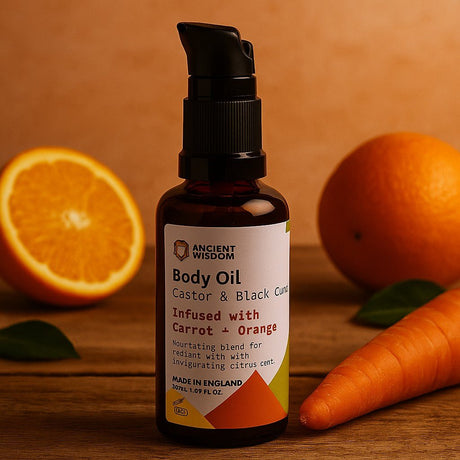
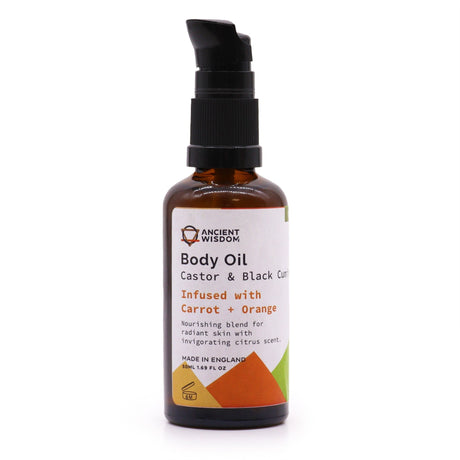
Olio corpo biologico carota e arancia 50ml
Scorte limitatePrezzo scontato £590 Prezzo normale £939Prezzo unitario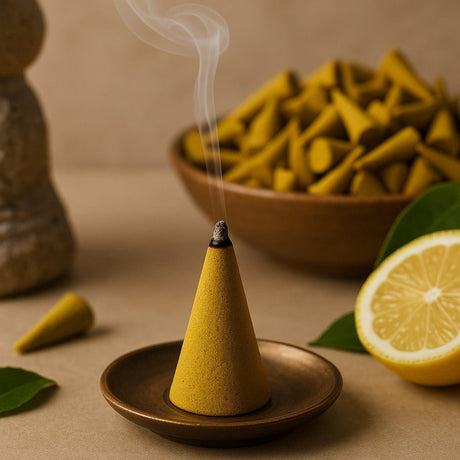
 £21.74 di sconto
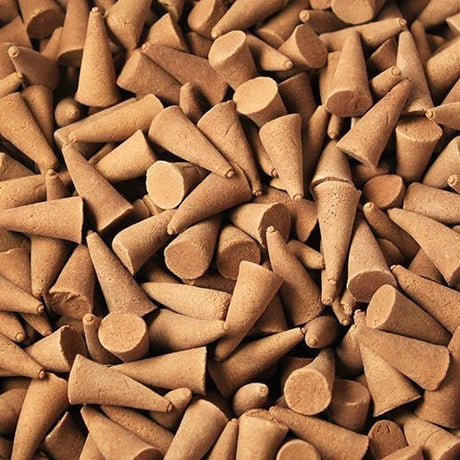
Coni d'incenso Arancia e Cannella, confezione da 850
DisponibilePrezzo scontato £2995 Prezzo normale £5169Prezzo unitario
 £21.74 di sconto
Coni d'incenso Limone, confezione da 850
Scorte limitatePrezzo scontato £2995 Prezzo normale £5169Prezzo unitario


Saponetta Esfoliante per Giardinieri Limone Basilico 100g
DisponibilePrezzo normale £595Prezzo unitario

Olio Essenziale di Verbena al Limone Distillato a Vapore, 10 ml
DisponibilePrezzo normale £365Prezzo unitario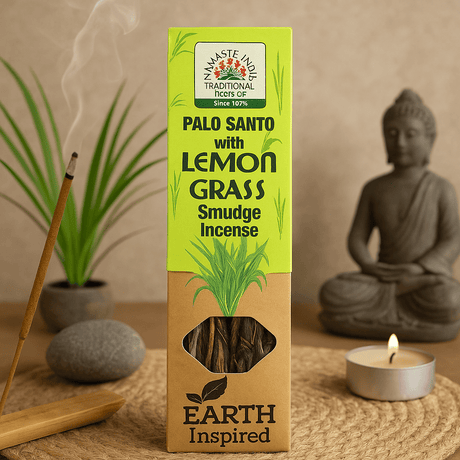
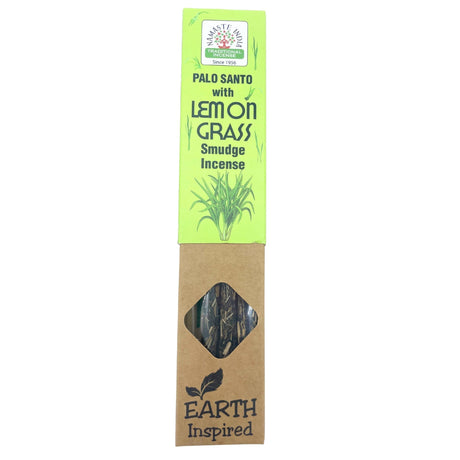


Bastoncini di incenso purificatori al citronella, confezione da 9
DisponibilePrezzo normale £252Prezzo unitario


 £20.29 di sconto
Pagnotta di sapone al limone, olio d'oliva
Scorte molto bassePrezzo scontato £5795 Prezzo normale £7824Prezzo unitario


