
Намерение
Изобилие
Abundance as a daily practice: choosing what to notice, what to tend, and letting the shape of the day answer it.
Пазарувайте в Изобилие
- Бомбичка за вана Шоколадов портокал, 180 г £4.89£27.17/кг
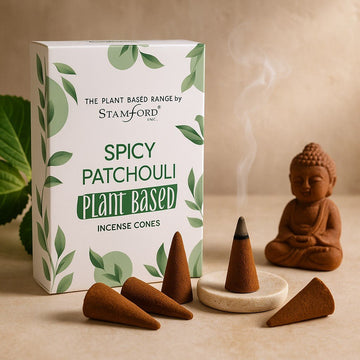
- Конуси за обратно горене пачули, пикантни на растителна основа, 12 броя 12 конуса · 30 мин 4.3 (8)£2.15
- Лосион за ръце и тяло с мандарина, иланг-иланг и пачули 250 мл 5.0 (3)£11.99£47.96/LНамалено количество на склад






The word comes from the Latin abundantia: a flowing over, an overflow. But the traditions that use it most often mean something quieter: not wealth in the modern sense, but sufficiency felt from the inside. Enough food, enough warmth, enough belonging.
Abundance as a practice begins with attention. The tradition suggests choosing one moment each day to notice something ordinary: a meal shared, a door that opened, a moment of unexpected rest. These are not small things; what we notice tends to grow. In the yogic map this quality gathers around Manipura, the solar plexus chakra: the seat of personal power, good digestion in every sense, and the confidence that there is enough.
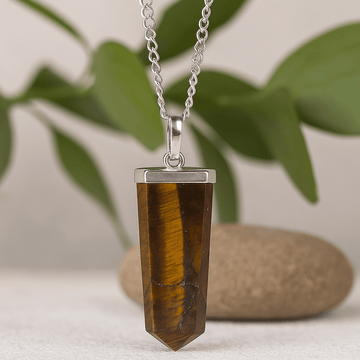
The stones the tradition gathers here are warm-coloured ones: citrine, amber, golden tiger's eye, green aventurine, pyrite with its muted shine. Citrine above all: the stone medieval lapidaries called the merchant's stone, kept near the till not as magic but as a physical reminder of the intention. Return to it, the tradition suggests, and name what is going well.
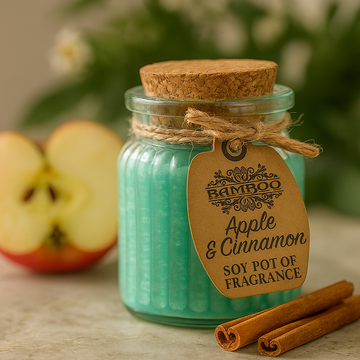
Warm scents belong in this register: ginger, cardamom, sweet orange, a little cinnamon. Anything that smells like preparation rather than waste: the kitchen before guests arrive, the market in the morning.
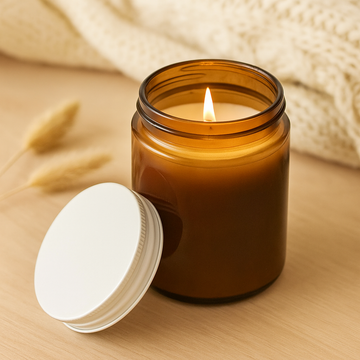
The objects do nothing by themselves. But a stone kept where you will see it, a candle lit with a named intention, becomes a small daily appointment with noticing. The practice is yours. The objects are where you place it.
Below: the catalogue's abundance shelf, stones, scents and small objects for the work of noticing.
Отеква в душата на
Камъни
Аромати