Where the name comes from
The origin is disputed. One reading goes back to the Middle High German rûch, hairy, for the fur-clad figures of the season. The other points to the smoke, Rauch, with which farmers and priests went through the stables.
Which nights count
Most people count from Christmas Eve or Christmas Day to Epiphany on 6 January, though some regions begin at St Thomas on 21 December. Four nights were held to matter most: St Thomas, Christmas Eve, New Year's Eve and the eve of Epiphany.
One explanation for the twelve is the calendar itself: twelve lunar months make 354 days, so about eleven days and twelve nights are left over from the solar year.
What was burned
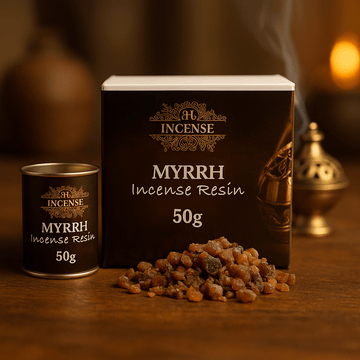
Incense was the old stable smoke. Frankincense and myrrh are still the usual choice today, often with juniper from the hills, laid on glowing charcoal in a fireproof bowl.
The thirteen wishes
A newer custom: before the first night, write thirteen wishes on slips of paper, fold them and burn one each night without reading it. The last one stays, and that one is yours to look after in the new year.