Spedizione gratuita oltre £33 · spedito dal Regno Unito · tasse incluse

Aroma

Copal

Copal. Warm, balsamic resin with a two-thousand-year history in Mesoamerican tradition. The scent opens citrus-bright and settles into something richer: resinous, slightly sweet, quietly grounding.

Famiglia olfattivaResinous
La stagione miglioreSpring, Summer, Autumn, Winter
Momento della giornataAny

Acquista Copal

14 prodotti

Copal comes from trees of the Bursera family: species that grow across Mexico, Central America and parts of Africa and Asia, and that bleed a pale resin when their bark is scored. The name is Nahuatl, the language of the Aztecs: copalli, meaning resin or incense. The Maya burned it in ceremony for at least two thousand years. Colonial accounts describe it as the principal incense of the New World before frankincense arrived with the ships.

The scent opens warm and almost citrus: a bright top note that passes quickly, leaving the deeper register: balsamic, resinous, slightly sweet, with a dry woodiness underneath. When burned on charcoal it softens and deepens, filling a room with something that smells ancient and alive at the same time. Quality varies considerably: older, well-sourced copal carries more complexity. The cheaper grades can smell sharp or medicinal, which is worth knowing before you buy.

The tradition places copal at the work of clearing and focusing. It is the companion for the early morning, for the desk in winter, for the room that needs a sense of order without sterility. Grounding and inspiration are the moods it keeps, not a contradiction, in the tradition's view, but two ends of the same rope. The smoke itself is part of the practice: watching it rise, breathing with it, letting the ritual mark the beginning or end of something.

The suggestion from the tradition is unhurried, the same small bowl at the same hour, until the smell carries the intention without the words. A practice the resin holds alongside you.

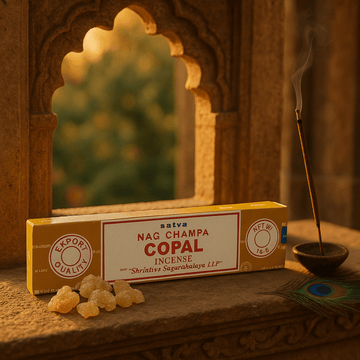
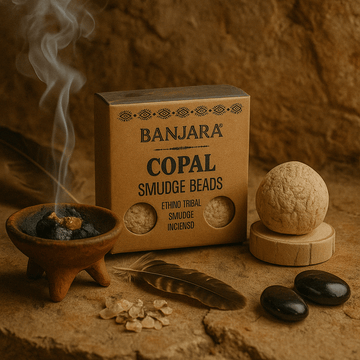
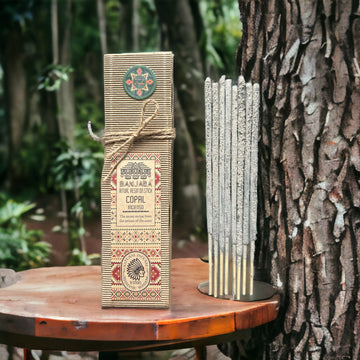
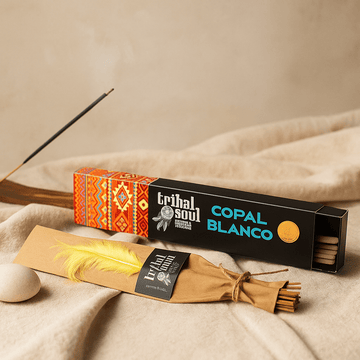
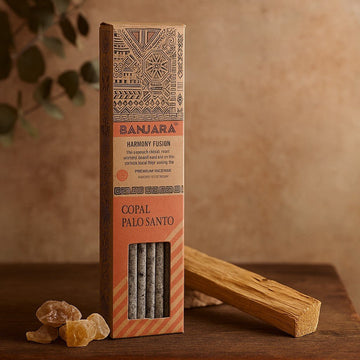
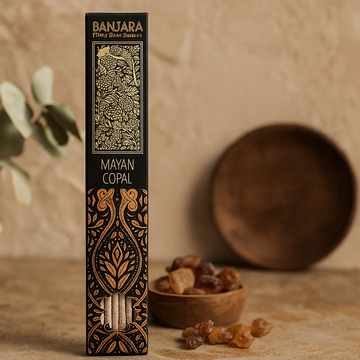
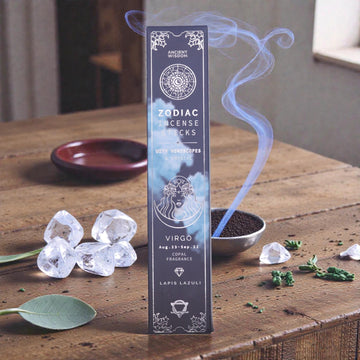
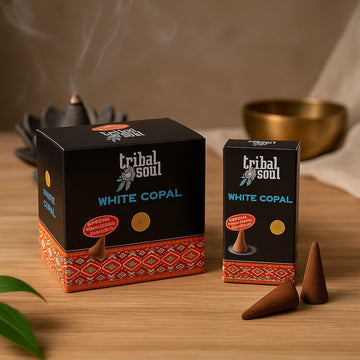
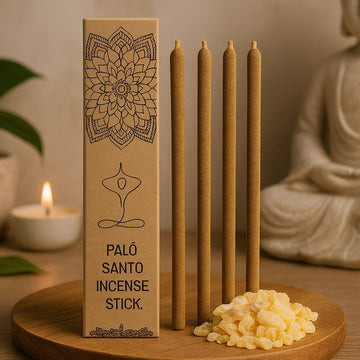
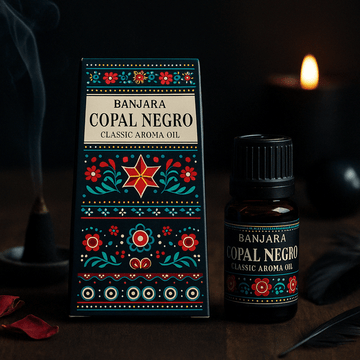
Below: our copal selection: resin, sticks, and cones, sourced to give you the fuller register.

Rispecchia

Umore

Intenzioni

Domande frequenti

What is the scent of copal?

Copal opens warm and almost citrus-bright, then settles into a deeper register: balsamic, resinous, slightly sweet, with a dry woodiness underneath. When burned on charcoal it softens further, filling a room with something ancient and grounding. Quality varies: well-sourced copal carries more complexity, while cheaper grades can smell sharp or medicinal.

Is copal the same as frankincense?

No. Copal comes from Bursera trees native to Mesoamerica, while frankincense comes from Boswellia trees of the Arabian Peninsula and East Africa. Both are tree resins burned as incense, but copal has a warmer, more citrus-forward opening and a balsamic sweetness frankincense lacks. Colonial accounts describe copal as the principal incense of the New World before frankincense arrived.

Is copaiba the same as copal?

No. Copaiba is an oleoresin tapped from Copaifera trees in the Amazon, typically distilled into essential oil. Copal is a harder resin from Bursera trees in Mexico and Central America, burned as incense rather than applied as oil. The names sound similar but the plants, regions and traditional uses are entirely different.

What is copal traditionally used for?

The tradition places copal at the work of clearing and focusing: a companion for early morning, for the desk in winter, for rooms that need order without sterility. The Maya burned it in ceremony for at least two thousand years. Grounding and inspiration are the moods it keeps, with the smoke itself part of the practice.

How do you burn copal resin?

Place a piece of copal resin on a lit charcoal disc in a heatproof bowl filled with sand or ash. The resin softens and releases smoke as it heats. The tradition suggests unhurried repetition: the same small bowl at the same hour, until the scent carries the intention without words, marking the beginning or end of something.