
Gemstone
Jade
Jade is two minerals wearing the same name — nephrite and jadeite — carved for eight thousand years. Green is most common but it comes in lavender, white and black too.
Green
Jade is two minerals wearing the same name. Nephrite — a fibrous tremolite-actinolite — has been carved in China and New Zealand for eight thousand years. Jadeite, the denser of the two, is the material that travels under the name imperial jade: vivid, translucent, almost luminous. The word comes from the Spanish piedra de la ijada — stone of the flank — which tells you the Romans valued it for something more urgent than ornament.
The Chinese tradition elevated jade above all other stones. It called jade the principle of heaven, associated it with virtue, and buried it with the dead as a guarantee of safe passage. The Mesoamerican cultures — Olmec, Maya, Aztec — worked jadeite with obsessive precision, chiselling masks and pectorals for kings who would never be seen without it. Neither tradition had any notion of the other's existence. They arrived at jade independently, which is worth sitting with.
The crystal tradition places jade at the heart chakra — green, cool, open. Taurus and Libra are its zodiac companions; earth is its element. It is the stone the tradition reaches for alongside abundance, calm and the quieter kinds of wellbeing.
The honest invitation is a simple one: jade rewards attention. No two pieces share the same depth of green, and the surface — cool, slightly waxy, yielding slowly to the thumb — feels unlike quartz or feldspar. If you are drawn to it, let it keep a corner of a practice: a stone on the desk, a knot in a handkerchief, a physical place to return to when the intention needs its weight restored.
Below you'll find what the catalogue holds in jade: tumbled stones, pendulums, jewellery and carved objects in both nephrite and jadeite.
Shop Jade
 £1.41 de desconto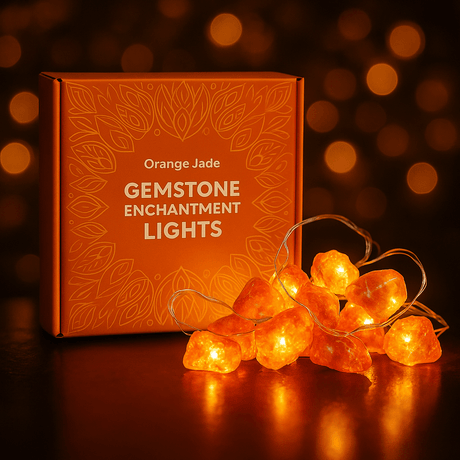

 £4.86 de desconto
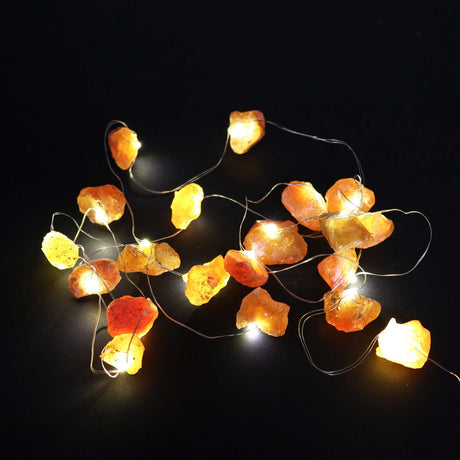
Pedras Preciosas Jade Laranja – Luzes de Fadas
Preço de venda £1995 Preço regular £2481Preço unitárioEm stock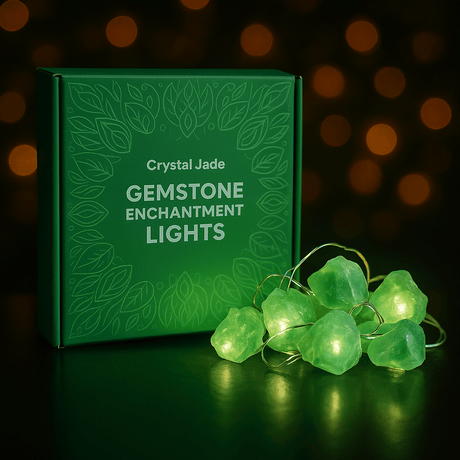

 £4.90 de desconto
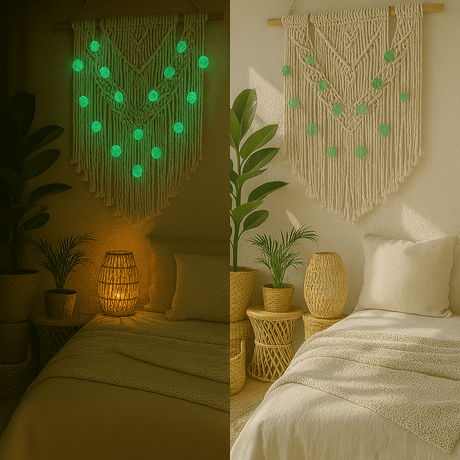
Luzes de Fadas em Cordão USB 227cm, Jade Cristal
Preço de venda £1799 Preço regular £2289Preço unitárioEm stock


 £2.09 de desconto





 £2.64 de desconto
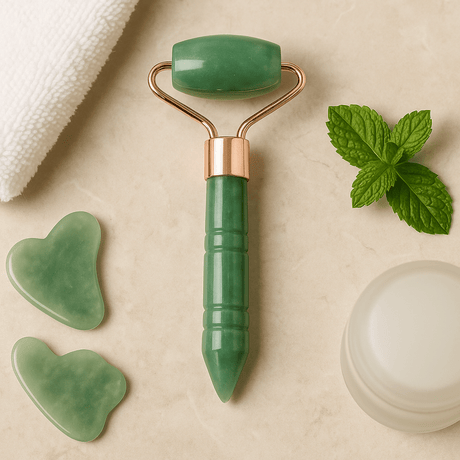
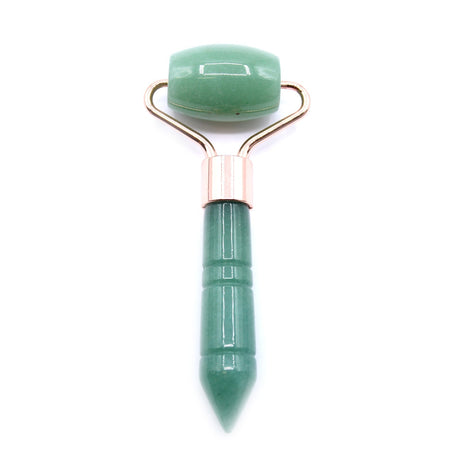
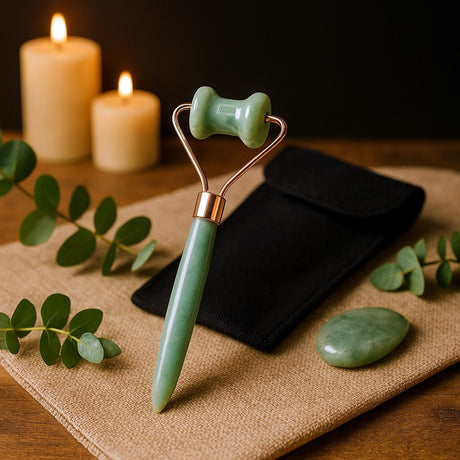
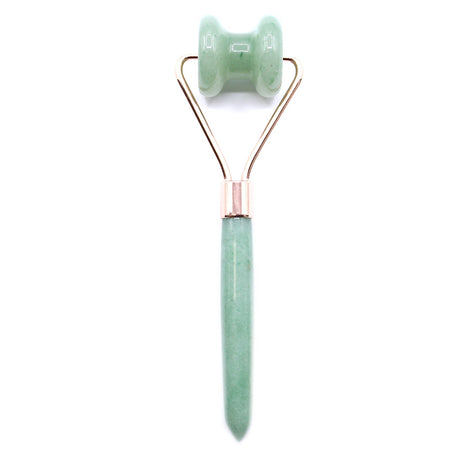
Rolo de Jade para o Rosto Massageador de Mandíbula
Preço de venda £1899 Preço regular £2163Preço unitárioEm stock


 £2.64 de desconto
Massageador Facial de Rolo de Jade com Duas Pontas
Preço de venda £1899 Preço regular £2163Preço unitárioEm stock


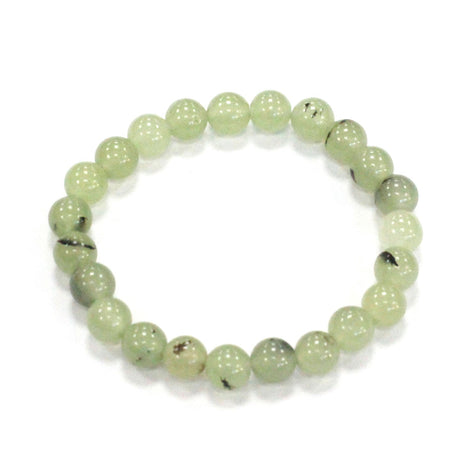
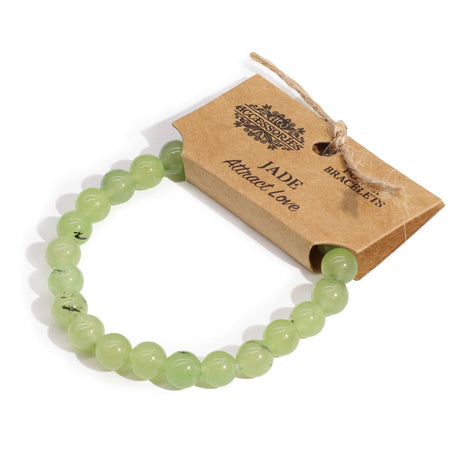
Pulseira de Jade da Montanha com Pedra Preciosa Facetada Magnética
Preço regular £999Preço unitárioEm stock


 £2.87 de desconto
Massageador Facial Vibratório de Jade
Preço de venda £1399 Preço regular £1686Preço unitárioEm stock


