
Aroma
Myrrh
A resin with three thousand years of meaning: sharp, warm, settling. The winter evening scent of protection and presence.
Myrrh Mağazasını Ziyaret Et


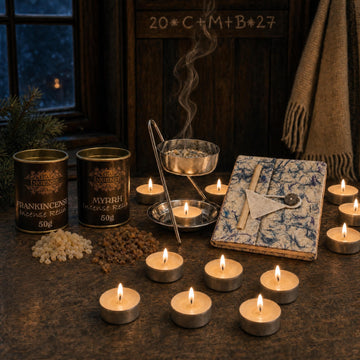

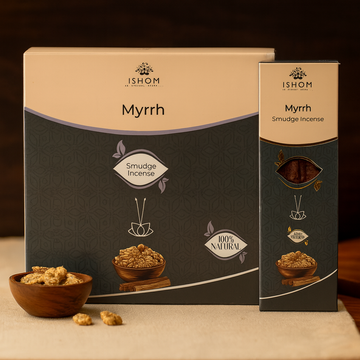


Myrrh is a resin, not an essential oil in the botanical sense, but the sap that bleeds from the bark of Commiphora myrrha trees when they are cut. The wound weeps, the sap oxidises, and the result is a dark, waxy substance with a sharp, bittersweet scent. The name comes from the Arabic murr, meaning bitter, which tells you something true about the first moment of encountering it.
The tradition stretches back a long way. Ancient Egyptians used it in embalming and cosmetics; the Romans burned it at funerals and took it as medicine; it appears in the Hebrew scriptures and among the gifts of the Magi in the Christian narrative. By the time it reached medieval European apothecaries, myrrh had spent three thousand years as a substance of consequence.
The scent itself opens sharp and slightly medicinal, almost astringent, then settles into something warmer, deeper, and more resinous over time. It is not a gentle smell. It has weight and a certain quiet authority, the kind of scent that makes a room feel older than it is.
In the tradition's vocabulary, myrrh belongs to winter and to evening. It keeps company with protection and healing as intentions, and with grounding and calm as moods. The practice the tradition suggests is simple: choose your hour, light the candle or add a drop to the diffuser, and pause for one unhurried breath. The scent does not chase away the noise. It simply asks the room to be still for a moment, and trusts that to do the rest.
In the catalogue you'll find myrrh as essential oil, candles and incense in its resinous register: alongside its traditional companions frankincense, benzoin and copal.