£33 üzeri ücretsiz kargo · Birleşik Krallık’tan gönderim · vergiler dahil

Aroma

Patchouli

From the mint family, native to Southeast Asia, patchouli opens camphor and wood, then deepens into rich earth and dark sweetness as it settles. Autumn's own scent.

Koku ailesiEarthy
En iyi mevsimAutumn
Günün saatiNight

Patchouli Mağazasını Ziyaret Et

68 ürün

Patchouli comes from Pogostemon cablin, a member of the mint family native to Indonesia and the Philippines. The name arrives from the Tamil word for green, though the dried leaves are anything but. The plant's heart lies in its essential oil, extracted by steam distillation from leaves that are often fermented first, which is why good patchouli improves with age rather than fading.

The scent defies easy description. It opens camphor and slightly sharp, almost medicinal, then softens into something deeply woody, with a dark earth quality that reads almost like wet soil after rain. As it settles on the skin it draws out resin, faint chocolate, a sweetness that feels warm rather than floral. It is a scent that changes hour by hour, which is part of why it has held on for so long.

Its European history runs through the Kashmir shawl trade. Indian merchants used patchouli leaves to protect fabrics in transit; Victorian shoppers who found the scent on imported shawls adopted it as their own. By the 1960s it had done something rarer, moved from tradition into sensation, carrying the particular charge of a decade that wanted to smell like the earth.

The tradition keeps patchouli in autumn, and at night. The earthy depth belongs to the turning season; the warmth belongs to rooms lit low. It is the companion the tradition pairs with abundance and intimacy, not as a cause, but as atmosphere: something that makes the season's hush feel like plenty rather than loss.

The practice the tradition suggests is unhurried: one object (an oil, a candle, a resin) placed where the evening begins, and returned to without agenda. Patchouli rewards patience. Let it open the way it wants to, and come back when the room has settled.

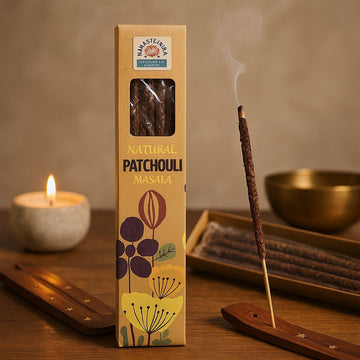
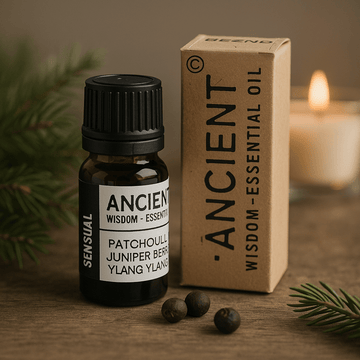
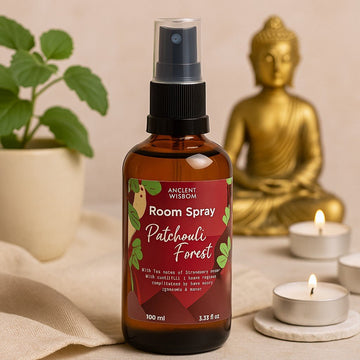
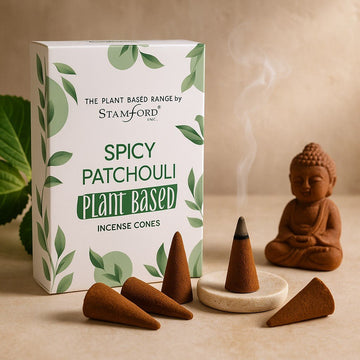
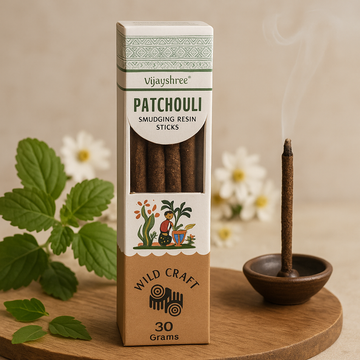
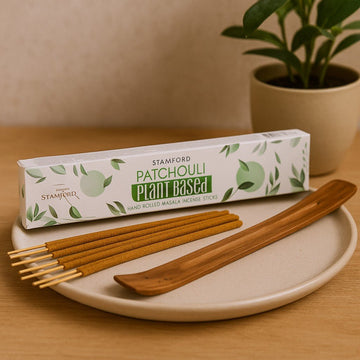
Below: patchouli in our autumn register. Oils, candles, resins and more.

İle uyum sağlar

Modlar

Niyetler

Sıkça sorulan sorular

What does patchouli smell like?

Patchouli opens camphor and slightly sharp, almost medicinal, then softens into something deeply woody with a dark earth quality like wet soil after rain. As it settles it draws out resin, faint chocolate and a warm sweetness rather than floral. It changes hour by hour on skin or in a room, which is part of its lasting appeal.

Why do people want to smell like patchouli?

The tradition pairs patchouli with autumn and intimacy, its earthy depth belongs to the turning season, its warmth to rooms lit low. It creates atmosphere rather than announces presence, making quiet feel like plenty. The scent rewards patience and improves with age, which draws people who value unhurried ritual and seasonal living.

Why do stoners use patchouli oil?

Patchouli became strongly associated with the counterculture of the 1960s, when it moved from traditional use into a scent that carried the charge of a decade wanting to smell like the earth. That association endures in popular memory, though the tradition places it simply in autumn and evening practice, unconnected to any substance.

Who shouldn't use patchouli oil?

Patchouli essential oil is potent and should be diluted in a carrier oil before skin contact: never applied neat. Pregnant or nursing women are traditionally advised to avoid essential oils unless guided by a qualified practitioner. Always patch-test diluted oil on a small area first, and keep all essential oils away from children and pets.

What is the best patchouli perfume in the UK?

The best patchouli scent depends on whether you want it solo or blended, and how you practise with it. Single-note patchouli essential oil in a carrier lets the scent open as the tradition suggests: unhurried, deepening over hours. Look for oils that name their origin and note the harvest year, as good patchouli improves with age.