
Element
Water
Water — the element of flow, feeling and the unconscious. Traditional companions: aquamarine, moonstone, chrysocolla, and the evening scents.
Water is the oldest solvent in the European imagination. The Greeks named it one of four elements and meant something more than rain: the capacity to yield, to adapt, to hold without grasping. In the yogic map it appears as apas, the water principle — cool, fluid, connected to the second chakra and the longings that don't speak easily in words.
The astrological tradition threads water through three signs: Cancer, the Moon's own territory, which holds the photographs and knows when you need feeding; Scorpio, deep-feeling and private, drawn to what moves beneath the surface; and Pisces, the dreamer, equally comfortable in music and mist. All three share the same symbolic vocabulary — feeling, memory, the unconscious, the places the rational mind doesn't reach.
The stones the tradition gathers here are the ones that hold water's qualities in solid form: aquamarine, named for seawater and pale as a clear morning tide; chrysocolla, blue-green and soft; celestite, which looks like the sky has been trapped inside crystal; larimar, found only in one place on earth, the Dominican Republic, and carrying a colour that has no business being that blue. Moonstone belongs here too — its inner shimmer shifts with the light the way water does.
For the nose, water smells of the sea after rain, of chamomile and jasmine in a warm room, of ylang-ylang at dusk. Night-blooming flowers, the tradition notices, belong to water signs and water hours.
The invitation the tradition extends is a simple one: find one object that holds the feeling you want to return to, and let it be a quiet anchor. A stone in a pocket, a scent at the bedside, a colour on the desk. The practice is yours; the object keeps the note.
Below: the catalogue's water shelf — stones, scents, and the objects that carry the feeling of tide and rain.
Resonerer med
Sten
Shop Water


 £3.46 rabat
Tredje øje chakra krystallys, Ametyst Rosenkvarts
På lagerUdsalgspris £1499 Normalpris £1845Enhedspris


 £0.40 rabat
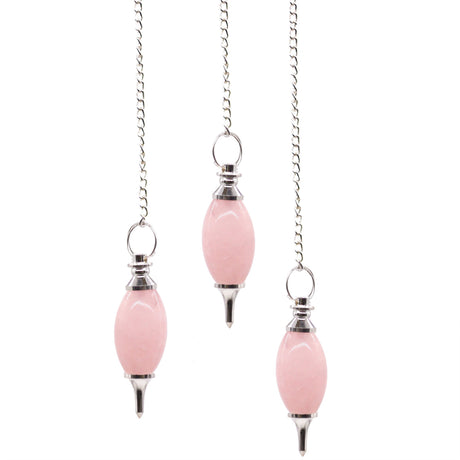
Orgonit Pendul til Pendulering Rosenkvarts Chakra
På lagerUdsalgspris £1199 Normalpris £1239Enhedspris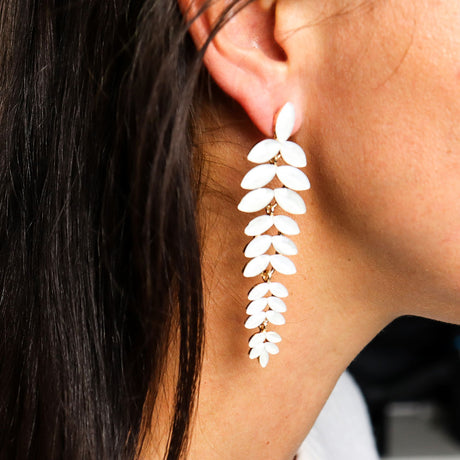

 £1.05 rabat
Vintage perle hvide glasblad lange dråbeøreringe
På lagerUdsalgspris £1695 Normalpris £1800Enhedspris
 £6.01 rabat
 £16.40 rabat


 £1.50 rabat
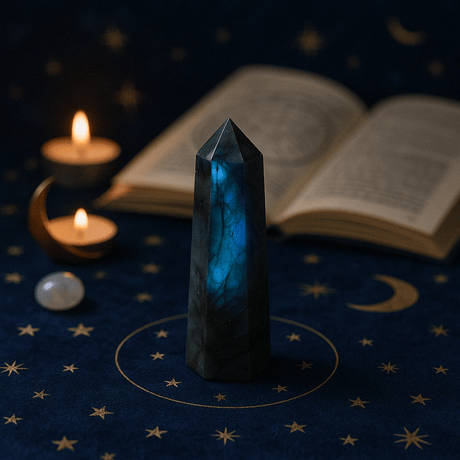
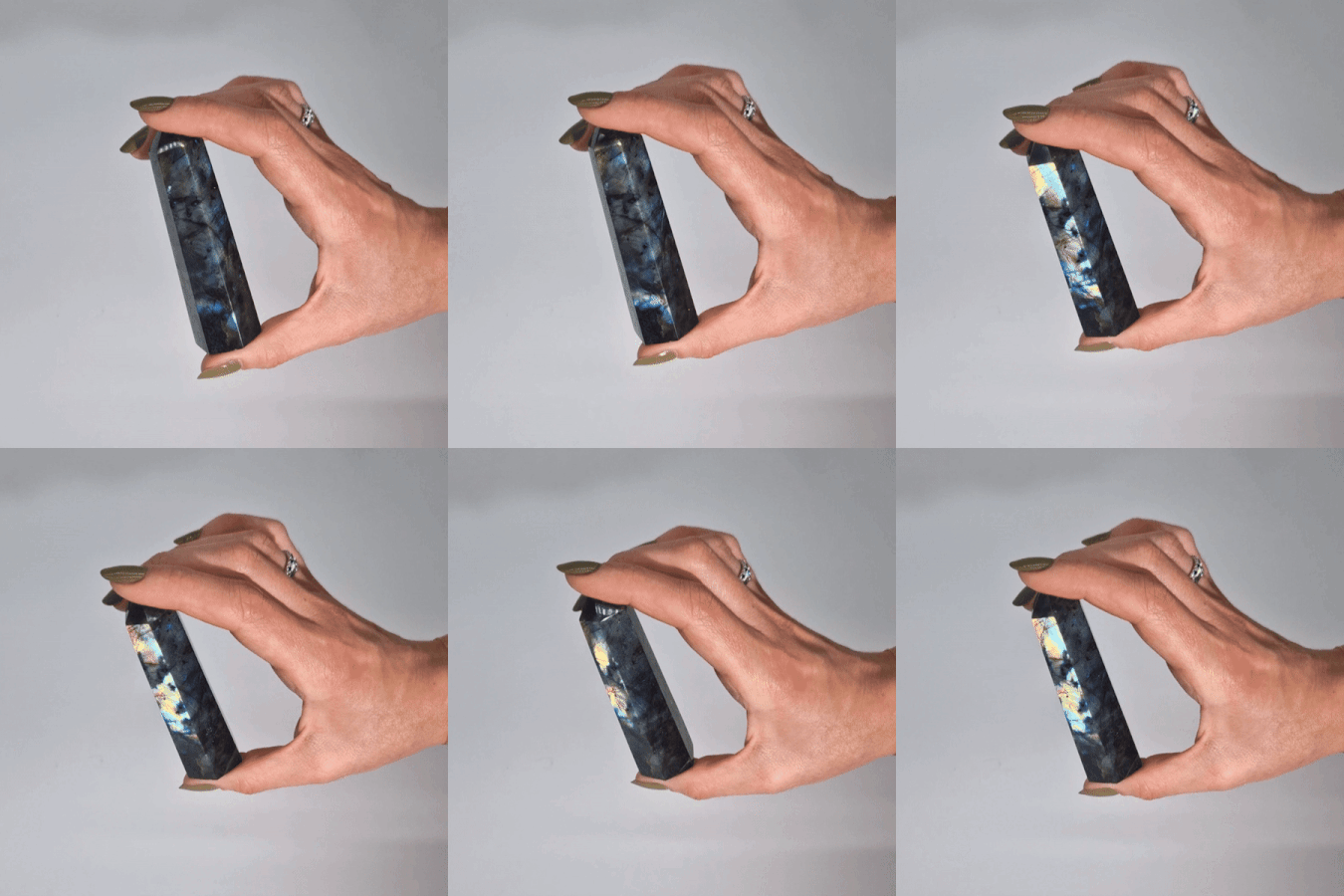
Labradorit krystalspids, Madagascar 100x28 mm
På lagerUdsalgspris £1695 Normalpris £1845Enhedspris




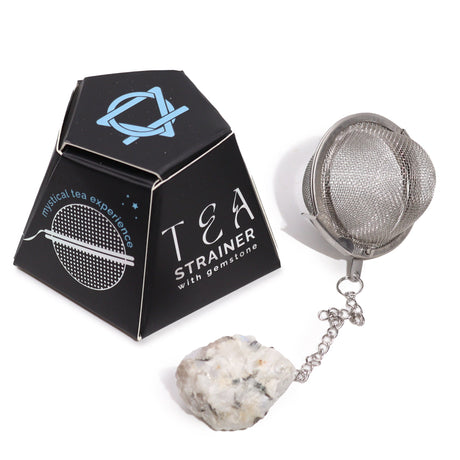




 £4.79 rabat
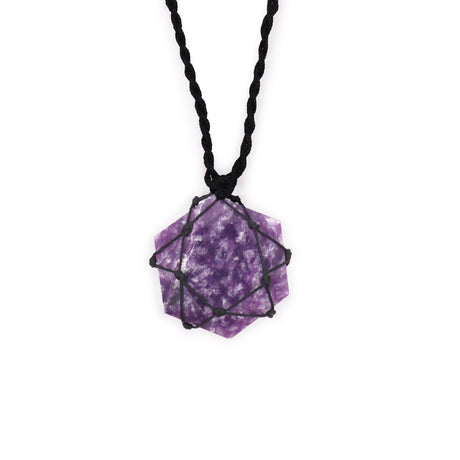



 £11.91 rabat
 £0.35 rabat


