
Drágakő
Lava Stone
Basalt: cooled volcanic rock, black and porous with a surface that holds oils and memories. The tradition places it at the root and calls it a stone of earth made from fire.
Black porous
Vásárolj itt: Lava Stone
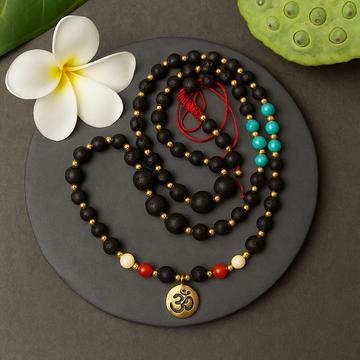


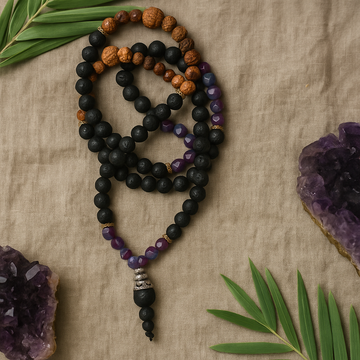
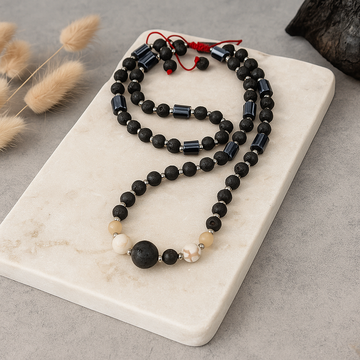
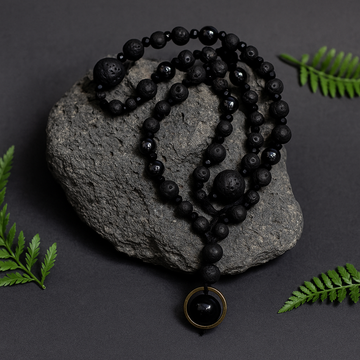
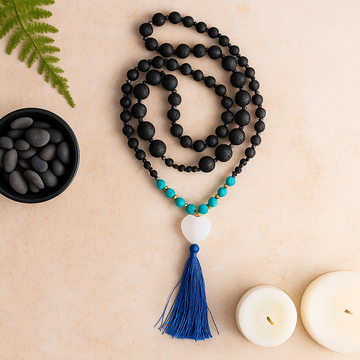
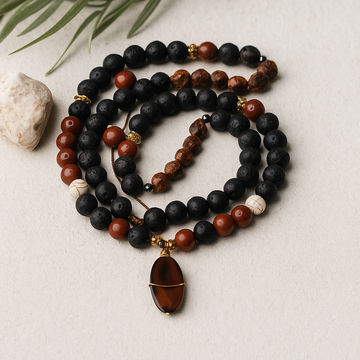
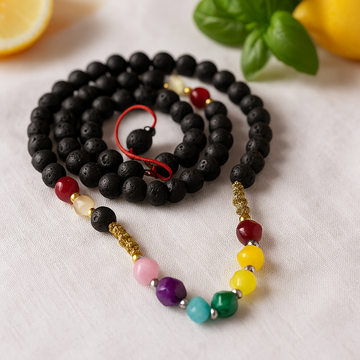
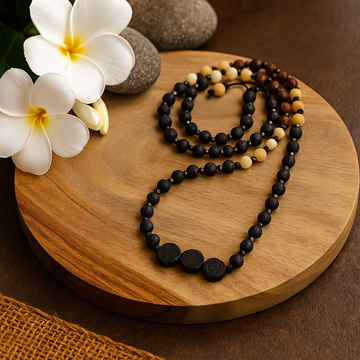
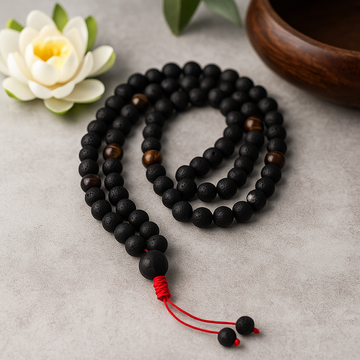


Mi az a(z) Lava Stone?
Lava stone is basalt: igneous rock formed when molten lava cools. The surface is porous, pitted with small vesicles where gases escaped during cooling. It is heavy, dense, and dark, and because of that open texture it holds essential oils with unusual tenacity, which is why it has been a favourite in diffusers and mala strings for centuries.
The name does exactly what it says. There is no metaphorical distance between the stone and its origin. It is lava, solidified. The oldest human beads ever found are lava stone, strung perhaps forty thousand years ago. The volcanic islands of the Pacific built entire cultures around it. In the European herbal tradition it arrived as a grounding material: something to hold, something to weight a practice to the floor.
The tradition keeps it close to the root chakra, the place at the base of the spine the yogic map associates with steadiness, home and the feeling of solid ground beneath the feet. Aries and Taurus claim it, which makes sense: fire and earth together, the spark and the soil. Its element is both.
When the tradition calls lava stone a stone of grounding and courage, it is speaking in the language of metaphor and practice, not medicine. The suggestion is simple: choose what you need (steadiness, forward motion, the willingness to begin) and let the stone carry the note. Set it on your desk, wear it at the wrist, hold it for a moment each morning and name the intention aloud. The repetition builds the ritual; the stone keeps the ritual in view.
Below you'll find what the catalogue holds in this register: lava stone beads, diffusers, tumbled pieces and mala strands for the work of coming back to centre.