
Aroma
Zsálya
The sharp, green aroma of sage, Salvia officinalis, used in Mediterranean kitchens and traditions for two thousand years. Camphoraceous, clarifying, year-round.
Vásárolj itt: Zsálya

 India
India

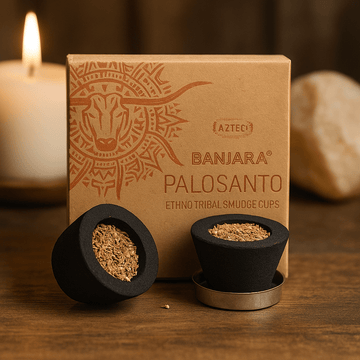


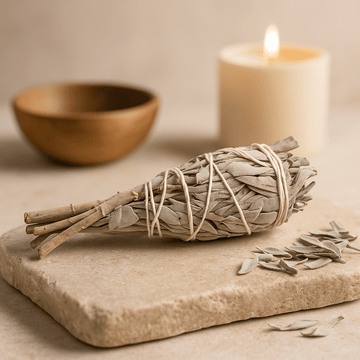


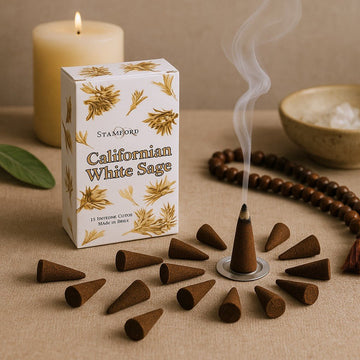


Salvia officinalis, common sage, is a Mediterranean shrub with a scent that divides people immediately and then grows on them. It opens camphoraceous and sharp, almost medicinal, with a warmth underneath that arrives slowly. The drydown is herbaceous and clean, something between a forest floor and a well-ventilated kitchen.
The name tells you something: salvia comes from the Latin salvare, to save or heal. The Romans used it freely, in food, in medicine, in the home. Medieval European herbalists burned it to purify rooms. The tradition has spent two thousand years finding sage useful, and a fair amount of that usefulness sits in the scent itself.
Sage moves through the year better than most herbal scents. Spring finds it in the open window; summer keeps it company in the garden. Autumn's inward shift suits it, and winter's stale rooms are exactly where its clarity cuts through. The camphor top note is the working part. It wakes the air, opens the nose, lifts the head. The tradition links it with focus and clarity, and with protection as a secondary thread.
Sage is not a soft scent. It asks for a moment of decision. The practice the tradition offers is simple: let it mark territory. A few drops at the desk at the start of a task. A candle lit before a period of concentration. A small dried bundle kept where work happens. The scent becomes the signal, and every time you return to it, the signal sharpens.
In the catalogue: sage as essential oil, candles, incense, room sprays and dried bundles. The whole clarifying end of the shelf.