Immagina una sola immagine immobile prima di cominciare. Una figura blu è sdraiata, addormentata, sulle spire di un enorme serpente che galleggia su un oceano di latte. Il suo volto è calmo. Una dea siede ai suoi piedi. Dal suo ombelico si innalza un unico loto e, dentro quel loto, un intero nuovo universo viene sognato di nuovo all'esistenza. Questo è Vishnu tra i cicli della creazione, ed è l'immagine più quieta della responsabilità totale che probabilmente vedrai mai. Tutto il suo significato è qui, in un dio che porta il mondo e tuttavia riposa.
Il dio sdraiato
Il serpente si chiama Shesha, noto anche come Ananta, l'infinito, spesso descritto con mille teste. L'oceano è il Kshira Sagara, il mare cosmico di latte. Questo aspetto di Vishnu, addormentato sul serpente tra i grandi cicli del cosmo, ha un nome proprio: Anantashayana, Vishnu sdraiato sull'infinito. La sua consorte Lakshmi siede con lui. E dal suo ombelico si apre il loto che sostiene Brahma, il creatore, affinché la creazione possa ricominciare. Per questo Vishnu porta l'epiteto Padmanabha, colui che ha un loto all'ombelico.
Fermati ancora un momento sull'immagine, perché è la tesi di tutto ciò che segue. L'universo riposa su di lui, e anche lui riposa. Non c'è tensione nel volto, né sforzo serrato. Il compito di tenere insieme il mondo viene svolto senza ansia. In una tradizione dalle mille forme feroci e danzanti, l'immagine centrale del preservatore è una figura in riposo. Non è un caso. È questo il punto.
Il membro dimenticato della triade
L'induismo è una tradizione viva e ciò che segue viene offerto come contesto culturale e storico, non come un'affermazione su come sia il mondo. Al suo interno, tre grandi divinità vengono menzionate insieme come Trimurti. Brahma è associato alla creazione, al far nascere le cose. Shiva è associato alla dissoluzione, al fare spazio. E tra loro sta Vishnu, il cui ruolo è la preservazione, il mantenimento del cosmo. La parola sanscrita è sthiti: il tenere saldamente qualcosa nell'esistenza.
Dei tre, la preservazione è quella che siamo meno capaci di celebrare. Raccontiamo storie sugli inizi e sulle fini. Segniamo il lancio e il funerale, il primo giorno e l'ultimo. Ma il lungo mezzo, gli anni tranquilli in cui si continua a far funzionare qualcosa di buono, non ha quasi un linguaggio proprio. La manutenzione è l'atto meno romantico che esista. Nessuno organizza una festa per il mattino in cui ti sei semplicemente presentato di nuovo, hai annaffiato di nuovo la pianta, hai mantenuto di nuovo la promessa. Eppure è proprio questa continuità poco appariscente a tenere davvero intatta una vita, una relazione o un mondo. In una cultura eternamente rivolta verso il nuovo e il definitivo, Vishnu è colui che si occupa della parte che nessuno fotografa.
Leggere lentamente l'iconografia
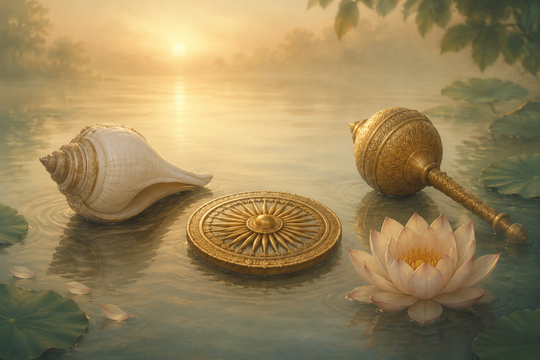
Vishnu viene raffigurato più spesso con la pelle di un blu intenso, il colore del cielo e dell'oceano, il colore di qualcosa di così vasto da apparire scuro. Ha quattro braccia. In molte immagini le sue mani reggono quattro attributi, anche se vale la pena dire chiaramente che la posizione di ciascun oggetto in ciascuna mano varia da tradizione a tradizione e da immagine a immagine: ciò che conta sono i significati, non una disposizione fissa.
- La conchiglia (shankha), chiamata Panchajanya. Quando viene suonata, emette la prima nota della creazione, la vibrazione da cui nasce la forma.
- Il disco (chakra), il Sudarshana Chakra. Una ruota rotante, spesso interpretata come il movimento del tempo e il potere di taglio netto di una mente ordinata.
- La mazza (gada), chiamata Kaumodaki. Peso, forza, la fermezza che sostiene la gentilezza.
- Il loto (padma). Il fiore che cresce dall'acqua fangosa e tuttavia si apre puro, emblema della consapevolezza che si dispiega, e lo stesso loto che si innalza dal suo ombelico.
Sul petto porta il segno dello Shrivatsa e il gioiello Kaustubha, e viene spesso raffigurato con vesti gialle, la pitambara, e una ghirlanda di fiori della foresta, la Vanamala. Leggi ciascuno di questi elementi non come un costume, ma come una qualità. L'espressione che li unisce è la calma stabile e uniforme di una figura che non ha nulla da dimostrare e non deve correre da nessuna parte.
Lakshmi e Garuda, la compagnia che lo circonda
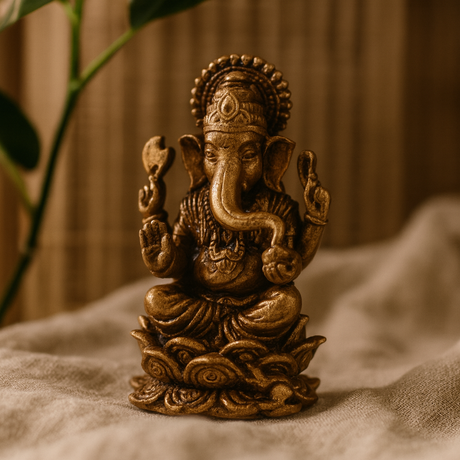
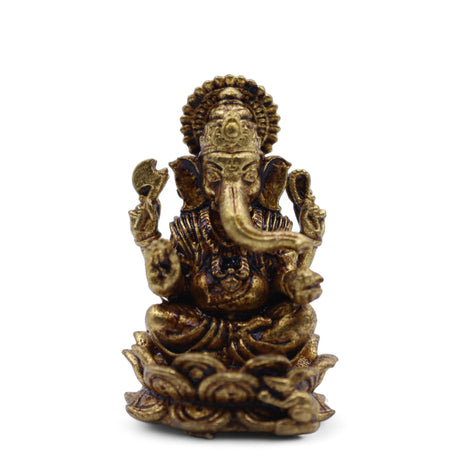
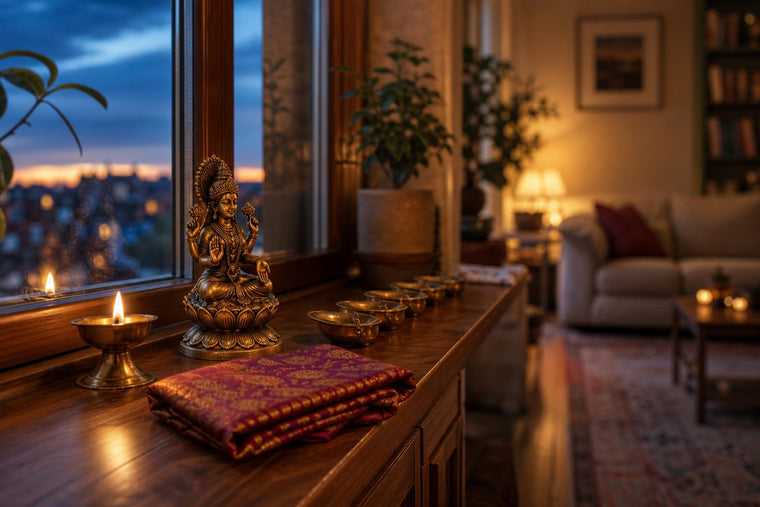
Vishnu non è mai del tutto solo, e questo fa parte del suo significato. La sua consorte è Lakshmi, chiamata anche Shri, la dea associata alla prosperità, all'abbondanza, alla fortuna e alla bellezza. Nella tradizione, l'abbondanza non è separata da una gestione attenta e costante; la grazia di Lakshmi accompagna chi custodisce fedelmente ciò che ha. Nella devozione vaishnava i due vengono onorati insieme, ed è per questo che un altare domestico dedicato all'uno riserva così spesso un posto anche all'altra. Questa è la collocazione naturale per una statua di Vishnu in casa, accanto a lei, dove Vishnu e Lakshmi vengono onorati insieme sull'altare domestico.
La sua cavalcatura, il suo vahana, è Garuda, la grande aquila, un essere simile a un uccello, rapido e potente, che lo trasporta. Se Lakshmi parla della grazia che accompagna la cura costante, Garuda parla della volontà: la prontezza a muoversi rapidamente quando la preservazione lo richiede. Insieme esprimono qualcosa di semplice. La cura è relazionale, non solitaria. Il lavoro di mantenere stabile qualcosa di buono raramente viene svolto da un solo paio di mani.
I dieci avatar come un'unica lunga storia di cura
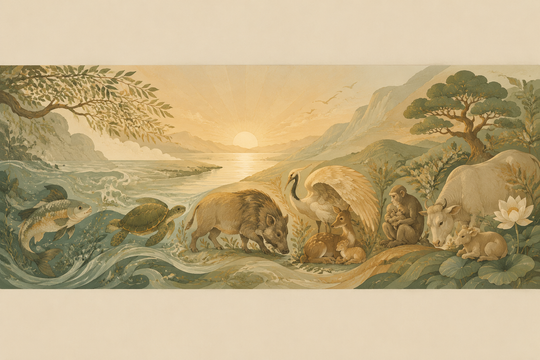
La maggior parte delle voci enciclopediche riduce gli avatar di Vishnu a un elenco da imparare a memoria. Il Dashavatara, i dieci principali discendimenti, merita di più, perché letto in sequenza non è un insieme di dieci curiosità, ma un unico movimento ricorrente. Ogni volta che l'equilibrio del mondo pende verso il caos, l'impulso a ristabilirlo ricompare, assumendo la forma di cui il momento ha bisogno.
L'elenco standard più diffuso comprende: Matsya, il pesce che trasporta i semi della vita attraverso un diluvio. Kurma, la tartaruga che sostiene sul dorso il frullamento dell'oceano. Varaha, il cinghiale che solleva la terra sommersa. Narasimha, l'uomo-leone che arriva là dove non avrebbe potuto arrivare né un uomo né una bestia. Vamana, il nano che riconquista il mondo con tre passi modesti. Parashurama, Rama con l'ascia. Rama, quello del Ramayana. Krishna. Buddha. E Kalki, l'avatar ancora atteso, previsto alla fine dell'epoca presente. Vale la pena notare che gli elenchi variano da una tradizione all'altra; alcuni sostituiscono Buddha con Balarama, e l'ordine è ampiamente convenzionale anziché fisso.
Nota la forma di tutto questo. La forma continua a cambiare, ma l'impulso è lo stesso: quando qualcosa di buono vacilla, qualcosa ritorna per rimetterlo a posto. È una storia di cura, ripetuta, più che un elenco di eroi.
Perché il discendimento avviene «quando il dharma declina»
L'idea che il divino assuma una forma ogni volta che l'equilibrio vacilla è uno dei temi più noti della Bhagavad Gita, nei versi comunemente citati intorno al quarto capitolo, dove si dice che di era in era il divino appare per ristabilire il dharma, il giusto ordine delle cose. (È un tema scritturale celebre; la formulazione esatta varia a seconda della traduzione, quindi è meglio citarlo come uno schema ricorrente anziché riportarlo alla leggera.)
Letto con delicatezza, è meno una promessa di salvezza dall'esterno che una descrizione del rinnovamento. Il mondo non viene sostenuto da un unico grande intervento. Viene sostenuto da atti ripetuti e ordinari di riassetto, che ritornano ogni volta che le cose deviano. E quando lo si vede in questo modo, lo schema non è soltanto cosmico. Comprende le piccole correzioni che ciascuno di noi compie ogni giorno per mantenere in ordine il proprio angolo di mondo.
La preservazione come pratica di vita lenta
È qui che il dio preservatore diventa uno strumento, anziché una figura da ammirare a distanza, e qui vale la pena essere onesti: nessun oggetto e nessuna pratica agiscono al posto tuo. Ciò che una pratica offre è attenzione e intenzione, né più né meno. Detto questo, la disciplina è semplice.
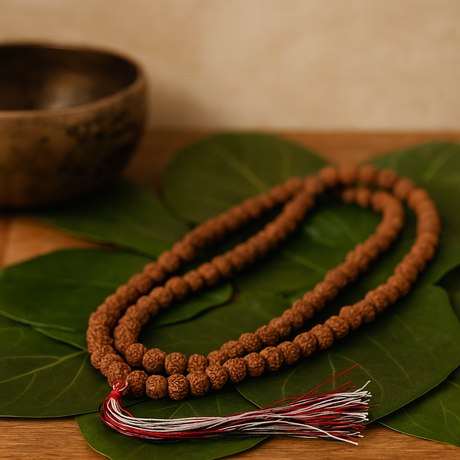
Dai un nome a una cosa della tua vita che vale la pena preservare. Non dieci cose, non un sistema, una cosa: un'amicizia che ti ha sostenuto silenziosamente, un lavoro in cui credi, la tua stessa stabilità mattutina. Poi dai un nome all'unico piccolo gesto ripetibile che la mantiene. Il messaggio di risposta, la passeggiata, l'ora del mattino che proteggi. La preservazione, dopotutto, è sthiti, il tenere saldamente, e la stabilità si costruisce con gesti così piccoli da sembrare a malapena uno sforzo. La pratica non consiste nello stringere più forte. Consiste nel tornare, con affidabilità, allo stesso piccolo gesto. Potresti accompagnarlo con un momento di quiete all'alba prima che inizi il rumore della giornata. Un mala può tenere il conto se ti piace un ritmo in cui raccoglierti, contando 108 ripetizioni di un mantra di Vishnu su un mala. Il punto non è mai l'oggetto. Il punto è tornare.
La casa consapevole
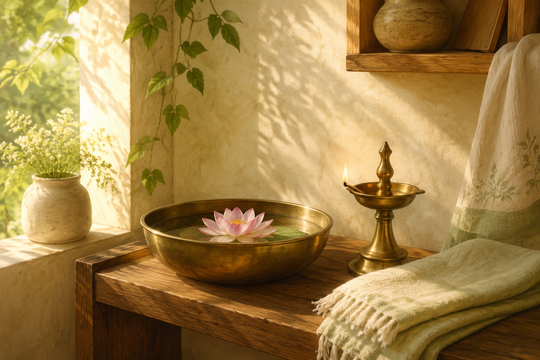
Per molti, la tradizione vive soprattutto attraverso gli oggetti: una statua di Vishnu o Lakshmi, una fila di perle, un filo d'incenso, un piccolo altare allestito con cura. Presentati con onestà, questi sono oggetti del patrimonio culturale e punti focali per l'attenzione. Non sono amuleti e non cambiano la salute, la fortuna o il corso della vita; sono segnali che invitano a fermarsi, punti d'appoggio per alcuni minuti di quiete. Considerati in questo modo, si guadagnano il loro posto.
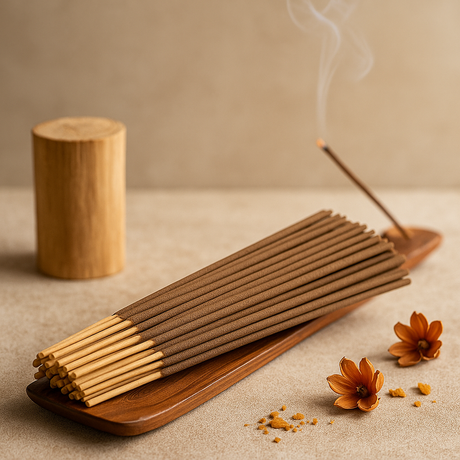
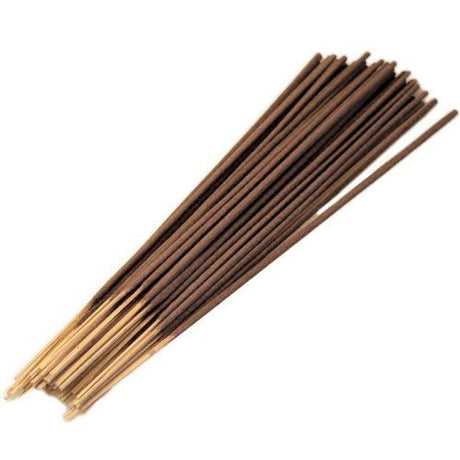
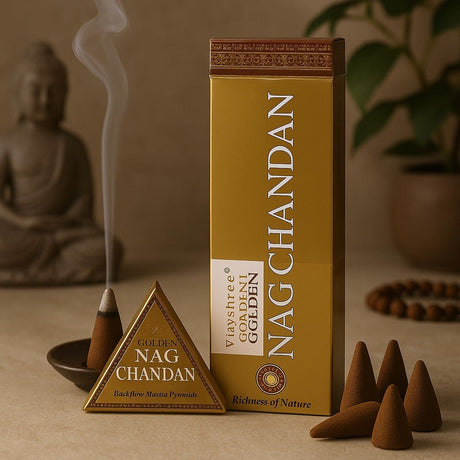
Il tulsi, il basilico santo, è la pianta più strettamente legata al culto di Vishnu, tradizionalmente usata più di ogni altra in suo onore, e per questo è un profumo naturale per un angolo dedicato a Vishnu. Accendi un bastoncino d'incenso al basilico santo così strettamente legato al culto di Vishnu e lascia che segni l'inizio del momento. Alcuni preferiscono il lento dispiegarsi di un cono e il primo filo di fumo che ne sale; entrambi richiedono un posto pulito e rialzato su cui riposare, un bruciatore in ottone a forma di loto che richiami il fiore retto da Vishnu. Se il fumo non fa per te, una sola fiamma accesa all'alba svolge lo stesso lavoro di radicamento. Dai all'intera composizione una superficie pulita e un angolo tranquillo anziché il pavimento, sistema la statua un po' rialzata e lascia che significhi qualcosa per te. Per chi ama i suoni, una campana tibetana in ottone può aprire la pratica con il primo suono della creazione, un'eco della nota della conchiglia, prima che la mente abbia il tempo di vagare.
Di nuovo al dio sdraiato
Torna, infine, all'immagine da cui abbiamo cominciato. Vishnu addormentato sul serpente, il mondo che riposa su di lui e lui che riposa a sua volta, il loto che si apre al suo ombelico in un universo appena nato. Tutto ciò che c'è di generico nell'espressione «il dio preservatore» si concentra in quell'unica scena riconoscibile, e così anche l'insegnamento. La preservazione non è aggrapparsi con ansia. È tenere saldamente. È compostezza e responsabilità portate nello stesso respiro: cura totale, senza sforzo. Qualunque cosa nella tua vita valga la pena conservare, conservala come lui sostiene il mondo, con il volto calmo e una mano che non lascia andare.