Forestil dig ét stillbillede, før vi begynder. En blå skikkelse ligger tilbagelænet og sover på ringene af en enorm slange, der flyder på et ocean af mælk. Hans ansigt er roligt. En gudinde sidder ved hans fødder. Fra hans navle vokser en enkelt lotus, og inde i den lotus drømmes et helt nyt univers frem igen. Dette er Vishnu mellem skabelsens cyklusser, og det er det mest stille billede på et totalt ansvar, du sandsynligvis nogensinde vil se. Hele hans betydning er her, i en gud, der bærer verden og alligevel hviler.
Den liggende gud
Slangen hedder Shesha, også kendt som Ananta, den endeløse, og beskrives ofte som havende tusind hoveder. Oceanet er Kshira Sagara, det kosmiske mælkehav. Denne form af Vishnu, der sover på slangen mellem kosmos' store cyklusser, har sit eget navn: Anantashayana, Vishnu, der hviler på det uendelige. Hans gemal Lakshmi sidder sammen med ham. Og fra hans navle folder lotusen sig ud og bærer Brahma, skaberen, så skabelsen kan begynde igen. Derfor bærer Vishnu tilnavnet Padmanabha, den lotusnavlede.
Hold fast i billedet et øjeblik længere, for det er tesen i alt det følgende. Universet hviler på ham, og han hviler også. Der er ingen anspændthed i ansigtet, ingen sammenbidt anstrengelse. Arbejdet med at holde verden sammen bæres uden uro. I en tradition med tusind voldsomme og dansende former er det centrale billede på opretholderen ét af hvile. Det er ikke en tilfældighed. Det er pointen.
Treenighedens glemte medlem
Hinduisme er en levende tradition, og det følgende gives som kulturel og historisk kontekst snarere end som en påstand om, hvordan verden er. Inden for traditionen omtales tre store guddomme samlet som Trimurti. Brahma forbindes med skabelsen, med at bringe ting frem. Shiva forbindes med opløsningen, med at rydde bort. Og mellem dem står Vishnu, hvis rolle er opretholdelse, at vedligeholde kosmos. Det sanskritiske ord er sthiti: den stadige fastholdelse af noget i eksistens.
Af de tre er opretholdelse det, vi er mindst rustede til at fejre. Vi fortæller historier om begyndelser og afslutninger. Vi markerer lanceringen og begravelsen, den første dag og den sidste. Men den lange midte, de stille år, hvor man holder noget godt i gang, har næsten ikke noget sprog for sig selv. Vedligeholdelse er den mindst romantiske handling, der findes. Ingen holder fest for den morgen, hvor du bare mødte op igen, vandede planten igen, holdt løftet igen. Og alligevel er det netop denne uanselige kontinuitet, der faktisk holder et liv, et forhold eller en verden intakt. I en kultur, der for evigt vender sig mod det nye og det endelige, er Vishnu den, der tager sig af den del, ingen fotograferer.
At læse ikonografien langsomt
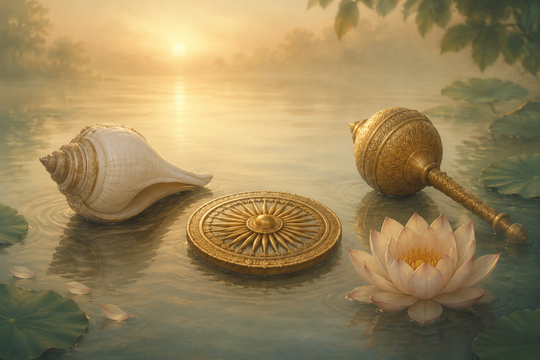
Vishnu vises oftest med dybblå hud, himlens og oceanets farve, farven på noget så vidtstrakt, at det fremstår mørkt. Han har fire arme. På mange billeder holder hans hænder fire attributter, men det er værd at sige klart, at placeringen af hvert objekt i hver hånd varierer fra tradition til tradition og fra billede til billede, så det er betydningerne, ikke en fast opstilling, der er afgørende.
- Konkylien (shankha), kaldet Panchajanya. Når der blæses i den, lyder den første tone i skabelsen, den vibration, som formen opstår fra.
- Diskosen (chakra), Sudarshana Chakra. Et roterende hjul, der ofte læses som tidens kredsløb og den klaretskærende kraft i et velordnet sind.
- Køllen (gada), kaldet Kaumodaki. Vægt, styrke, den fasthed, der understøtter blidhed.
- Lotusen (padma). Blomsten, der vokser op af mudret vand, men åbner sig ren, et symbol på udfoldet bevidsthed, og den samme lotus, der vokser fra hans navle.
På brystet bærer han Shrivatsa-mærket og juvelen Kaustubha, og han vises ofte i gule klæder, pitambara, med en guirlande af skovblomster, Vanamala. Læs ikke hver af disse som et kostume, men som en egenskab. Det udtryk, der binder dem sammen, er den stadige, jævne ro hos en skikkelse, der intet har at bevise og ikke behøver at skynde sig nogen steder hen.
Lakshmi og Garuda, hans ledsagere
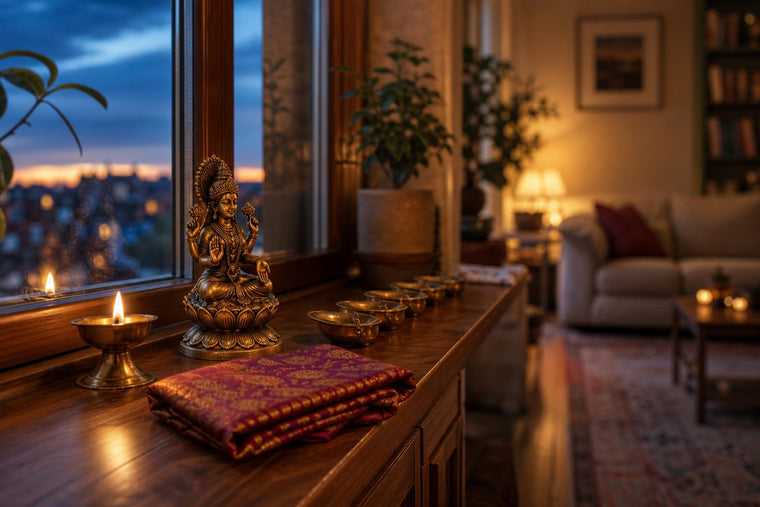
Vishnu er aldrig helt alene, og det er en del af hans betydning. Hans gemal er Lakshmi, også kaldet Shri, gudinden, der forbindes med velstand, overflod, lykke og skønhed. I traditionen er overflod ikke adskilt fra stabil forvaltning; Lakshmis nåde ledsager den, der trofast holder tingene. I Vaishnava-fromhed æres de to sammen, og derfor får et hjemmealterskab for den ene så ofte også plads til den anden. Det er det naturlige hjem for en Vishnu-statue i hjemmet, placeret ved siden af hende, hvor Vishnu og Lakshmi æres sammen ved hjemmets alter.
Hans ridedyr, hans vahana, er Garuda, den store ørn, et hurtigt og kraftfuldt fuglelignende væsen, der bærer ham. Hvor Lakshmi taler om den nåde, der ledsager stabil omsorg, taler Garuda om vilje: beredskabet til at bevæge sig hurtigt, når opretholdelsen kræver det. Sammen siger de noget enkelt. Omsorg er relationel, ikke ensom. Arbejdet med at holde noget godt stabilt udføres sjældent af et enkelt par hænder.
De ti avatarer som én lang fortælling om omsorg
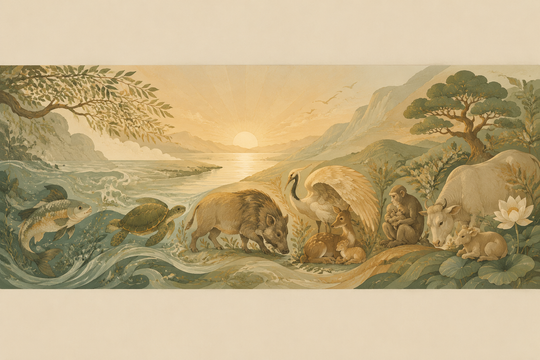
De fleste encyklopædiopslag reducerer Vishnus avatarer til en liste, der skal læres udenad. Dashavatara, de ti vigtigste nedstigninger, fortjener bedre, for læst i rækkefølge er det ikke ti stykker trivia, men én tilbagevendende bevægelse. Hver gang verdens balance tipper mod kaos, viser impulsen til at genoprette sig igen og tager den form, øjeblikket har brug for.
Den almindeligt anvendte standardliste lyder: Matsya, fisken, der bærer livets frø gennem en oversvømmelse. Kurma, skildpadden, der stabiliserer havets kærning på sin ryg. Varaha, vildsvinet, der løfter den druknede jord. Narasimha, menneskeløven, der ankommer dér, hvor hverken menneske eller dyr kunne. Vamana, dværgen, der genvinder verden i tre beskedne skridt. Parashurama, Rama med øksen. Rama fra Ramayana. Krishna. Buddha. Og Kalki, den avatar, der stadig ventes, og som forventes ved afslutningen af den nuværende tidsalder. Det er værd at bemærke, at listerne varierer mellem traditioner; nogle erstatter Buddha med Balarama, og rækkefølgen er i store træk konventionel snarere end fast.
Bemærk formen. Formen bliver ved med at ændre sig, men impulsen er den samme: når noget godt tipper, vender noget tilbage for at bringe det på ret køl. Det er en fortælling om gentagen omsorg snarere end en navneopråbning af helte.
Hvorfor nedstigningen sker, »når dharma forfalder«
Idéen om, at det guddommelige tager form, hver gang balancen svigter, er et af de bedst kendte temaer i Bhagavad Gita, i vers, der ofte citeres omkring kapitel fire, hvor det siges, at det guddommelige viser sig tidsalder efter tidsalder for at genoprette dharma, tingenes rette orden. (Det er et berømt skriftligt tema; den nøjagtige ordlyd varierer fra oversættelse til oversættelse, så det er bedre at citere det som et mønster end at gengive det løst.)
Læs det nænsomt, og det er mindre et løfte om redning udefra end en beskrivelse af fornyelse. Verden holdes ikke oppe af én stor indgriben. Den holdes oppe af gentagne, almindelige handlinger, der bringer tingene på ret køl og vender tilbage, hver gang noget driver ud af kurs. Og når man først ser det sådan, er mønsteret ikke kun kosmisk. Det omfatter de små korrektioner, vi hver især foretager dagligt for at holde vores egen del af verden i balance.
Opretholdelse som slow living-praksis
Det er her, opretholderguden bliver et redskab snarere end en skikkelse, man beundrer på afstand, og her er det værd at være ærlig: ingen genstand og ingen praksis handler på dine vegne. Det, en praksis tilbyder, er opmærksomhed og intention, hverken mere eller mindre. Når det er sagt, er disciplinen enkel.
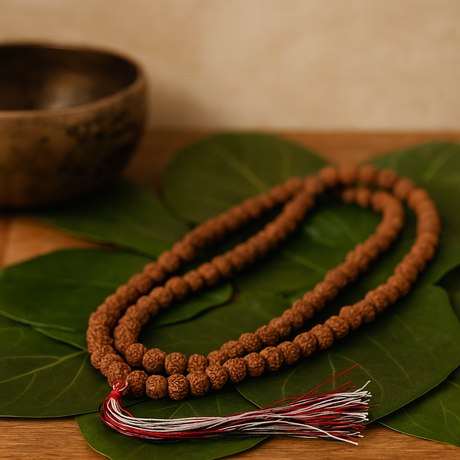
Nævn én ting i dit liv, der er værd at bevare. Ikke ti ting, ikke et system, men én ting: et venskab, der stille har båret dig, et stykke arbejde, du tror på, din egen stabilitet om morgenen. Nævn derefter den ene lille, gentagelige handling, der holder den i live. Beskeden, gåturen, den tidlige time, du værner om. Opretholdelse er trods alt sthiti, den stadige fastholdelse, og stabilitet bygges af handlinger, der er så små, at de knap ligner en anstrengelse. Øvelsen er ikke at gribe hårdere fat. Den består i pålideligt at vende tilbage til den samme lille gestus. Du kan markere den med at holde et stille øjeblik ved daggry, før dagens larm begynder. En mala kan holde tællingen, hvis du holder af en rytme at falde til ro i, mens du tæller 108 gentagelser af et Vishnu-mantra på en mala. Pointen er aldrig genstanden. Pointen er at vende tilbage.
Det opmærksomme hjem
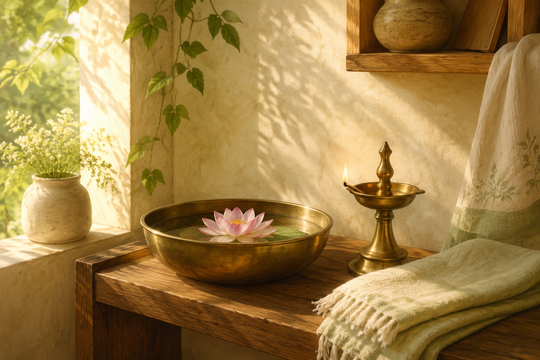
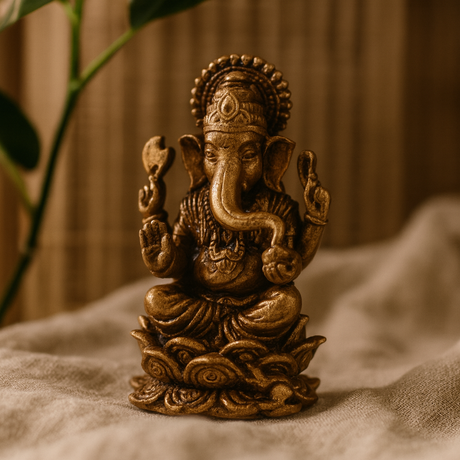
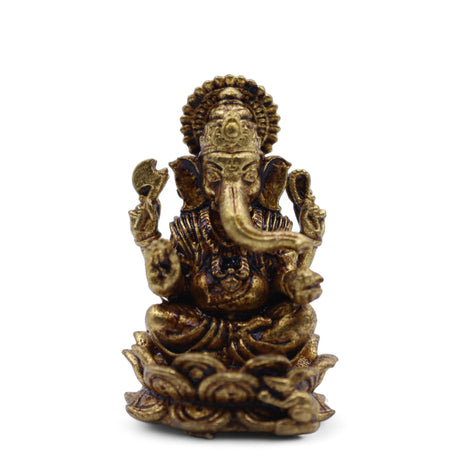
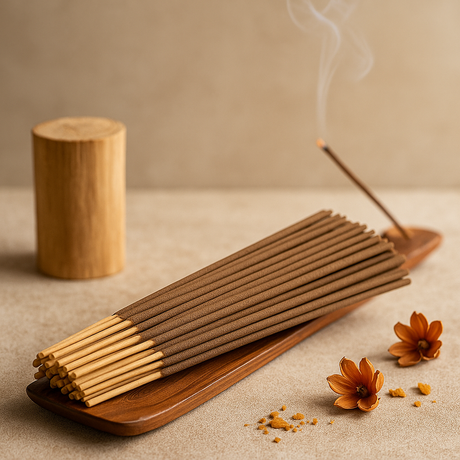
For mange lever traditionen enklest gennem genstande: en statue af Vishnu eller Lakshmi, en snor af perler, en røgelsespind, et lille, gennemtænkt alter. Præsenteret ærligt er dette genstande med kulturel og historisk arv samt fokuspunkter for opmærksomhed. De er ikke amuletter, og de ændrer ikke helbred, lykke eller livets forløb; de er signaler til at standse op, ankre for nogle få minutters stilhed. På den måde har de fortjent deres plads.
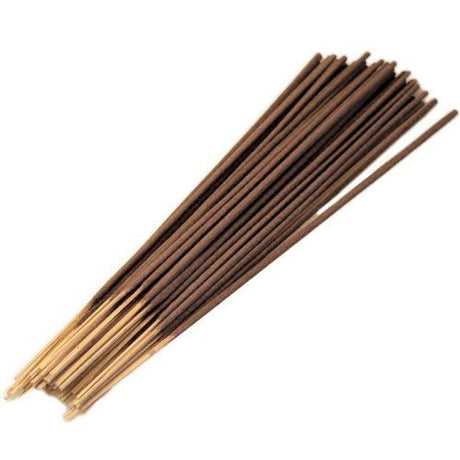
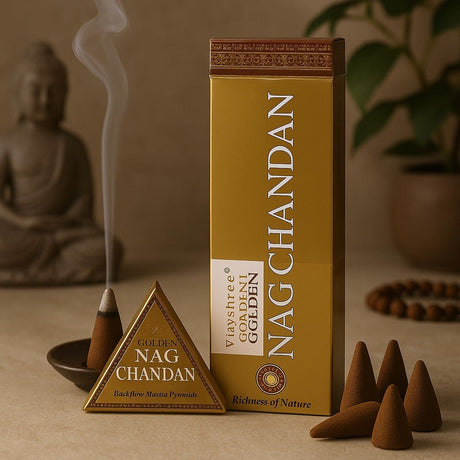
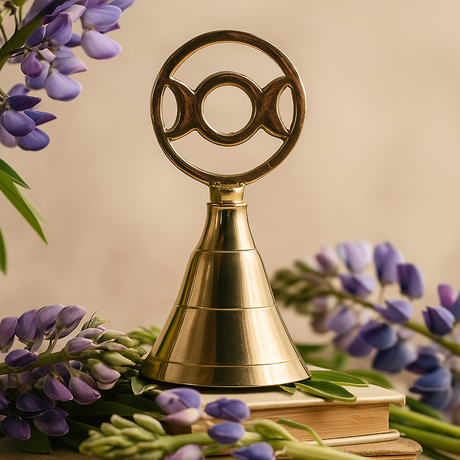
Tulsi, hellig basilikum, er den plante, der er tættest knyttet til Vishnu-dyrkelsen, og traditionelt den, der frem for alle andre bruges til hans ære, hvilket gør den til en naturlig duft i et Vishnu-inspireret hjørne. Tænd en røgelsespind med den hellige basilikum, der er så tæt knyttet til Vishnu-dyrkelsen, og lad den markere øjeblikkets begyndelse. Nogle foretrækker en kegles langsomme udfoldelse og den første røgtråd, der stiger op fra den; begge dele har brug for et rent, hævet sted at hvile på, en lotusformet messingbrænder, der spejler blomsten, Vishnu holder. Hvis røg ikke er noget for dig, gør én tændt flamme ved daggry det samme jordforbindende arbejde. Giv hele opstillingen en ren overflade og et stille hjørne i stedet for gulvet, placér statuen en smule hævet, og lad den betyde noget for dig. For dem, der holder af lyd, kan en syngeskål i messing åbne praksissen med skabelsens første lyd, et ekko af konkylienens tone, før sindet når at vandre.
Tilbage til den liggende gud
Vend til sidst tilbage til billedet, vi begyndte med. Vishnu, der sover på slangen, verden, der hviler på ham, og han, der også hviler, lotusen, der åbner sig ved hans navle til et nyt univers. Alt det generiske ved »opretholderguden« samler sig i denne ene navngivne scene, og det gør læren også. Opretholdelse er ikke ængstelig fastholden. Det er stabil fastholdelse. Det er sindsro og ansvar, båret i samme åndedrag: total omsorg uden anstrengelse. Hvad der end er værd at bevare i dit eget liv, så bevar det, sådan som han holder verden, med et roligt ansigt og en hånd, der ikke giver slip.