
Gemstone
Goldstone
Copper-flecked glass with a five-hundred-year history — the tradition places it with fire, Sagittarius, and the lower chakras as a stone of warmth and will.
Copper sparkle
Goldstone is what happens when silica glass meets copper. A melt of sand and mineral oxides heated until the copper crystallises into the thousands of tiny flecks that give it that unmistakable glitter. The process was almost certainly discovered by accident in sixteenth-century Venice, where glassmakers had been experimenting with metallic inclusions for generations. The earliest records appear around the 1620s, though the exact origin story remains disputed — one tradition credits a monk, another a Venetian family, and both probably simplify a messier truth.
The brown-gold variety is the most common: warm, coppery, catching light the way a campfire does. Blue goldstone exists too, coloured by cobalt rather than copper, though it is harder to find. Neither is a stone in the geological sense — both are glass — and there is something quietly honest about that. What you see is what was made.
The crystal tradition places goldstone with the sacral and root chakras, links it with Sagittarius and the fire element, and reaches for it under the intentions of energy, courage and abundance. The warmth of the copper tone is part of the picture: this is not a stone of cool detachment but of directed will.
The tradition's invitation is to work with it as a marker for something you have already decided. If you have named an intention — for steadiness, for nerve, for the willingness to begin — goldstone keeps it in sight. The glitter catches the eye; the eye comes back; the intention stays.
Below you'll find what the catalogue holds for the fire register: goldstone pieces alongside other warm-toned stones, scents and objects for the Sagittarian shelf.
Shop Goldstone


Ogrlica s privjeskom od dragog kamena – zlatno kamenje kost
Na skladištuRedovna cijena £1095Jedinična cijena


 £3.05 popusta
Kugla od crazy lace jaspisa s postoljem od goldstonea – Merkur
Na skladištuProdajna cijena £2095 Redovna cijena £2400Jedinična cijena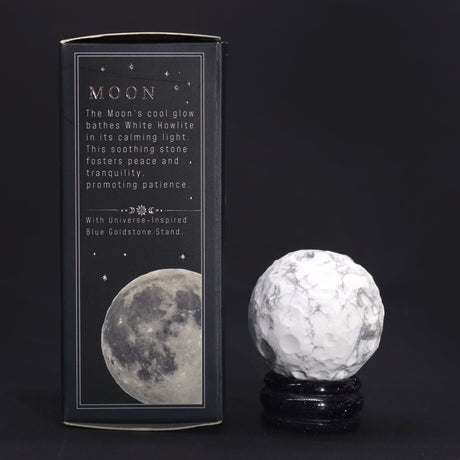


 £3.05 popusta
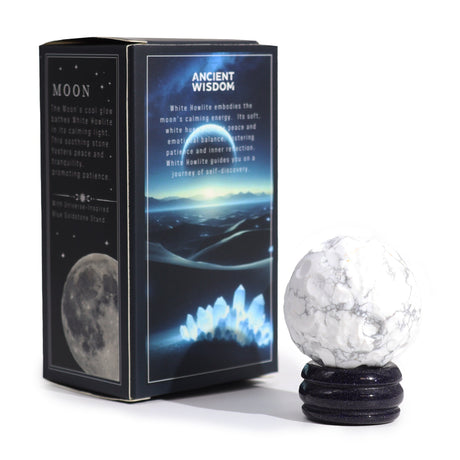
Kugla od bijelog howlita s postoljem od goldstonea 40mm
Na skladištuProdajna cijena £2095 Redovna cijena £2400Jedinična cijena


 £3.05 popusta
Kugla od crvenog jaspisa, 40mm s postoljem od solar goldstonea
Na skladištuProdajna cijena £2095 Redovna cijena £2400Jedinična cijena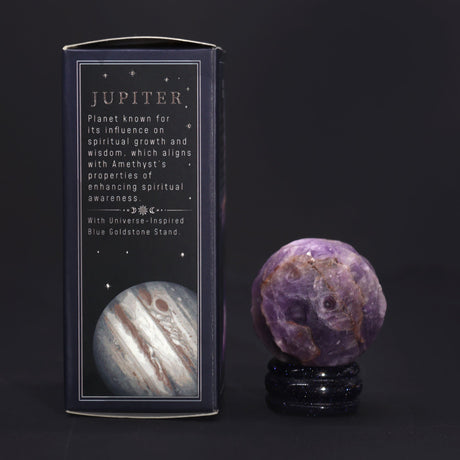


 £3.05 popusta
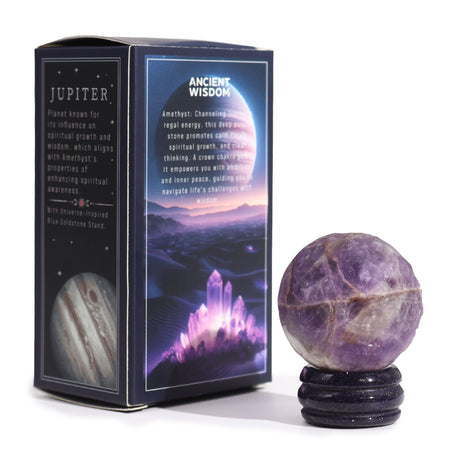
Kristalna kugla od ametista s postoljem od goldstonea Jupiter
Na skladištuProdajna cijena £2095 Redovna cijena £2400Jedinična cijena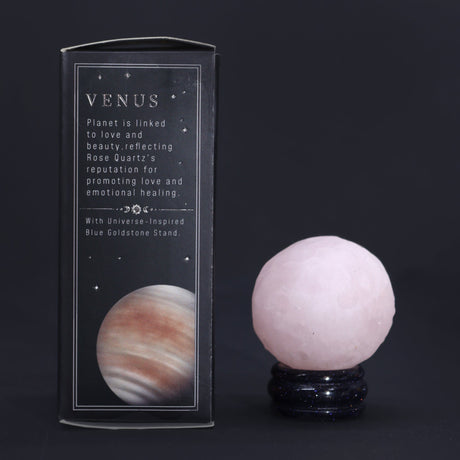


 £3.05 popusta
Kugla od ružičastog kvarca 40mm s postoljem od solar goldstonea
Na skladištuProdajna cijena £2095 Redovna cijena £2400Jedinična cijena


