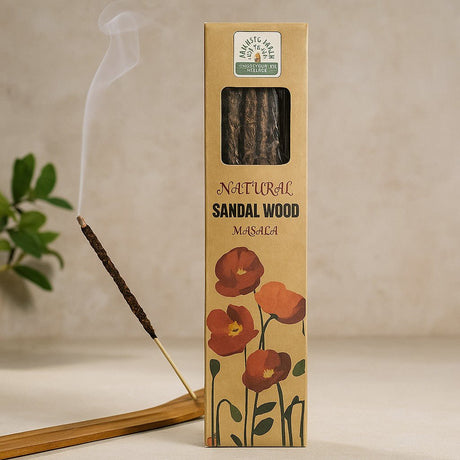
Gyújts meg egy indiai füstölőt, és egy egész táj költözik a szobába: szantálfaerdők, egy hajnal előtti jázminpiac, egy négyszáz éve működő rézüst. India aromás öröksége több ezer év illatszerészetét, füstölőkészítését és az érzékelés művészetét őrzi, és csendben alakította azt is, ahogyan a világ jelentős része az illatokra és a lassú életre tekint. Ezek az aromák többet kínálnak egyszerű illatnál. Utakat nyitnak a tudatos jelenléthez, a feltöltődéshez és a hellyel való élő kapcsolathoz - lehetőséget arra, hogy lelassítsunk és lélegezzünk.
India aromás örökségének ősi alapjai
India kapcsolata az illatokkal több ezer évre nyúlik vissza, és átszövi az ájurvédikus gyógyászatot, a spirituális gyakorlatokat és a mindennapi élet természetes ritmusát. A védikus szövegek több száz, istentiszteletben, szertartásokon és a test ápolására használt aromás anyagot neveznek meg.
Karnataka és Tamilnádu családjai nemzedékeken át őrizték füstölősodró technikáikat, és szinte minden pálcára önmagában is meditációként tekintenek. Az indiai aromakultúra egy hosszú és gondos hagyományból, a Gandhayuktiból nőtt ki. Ez India ősi illatszerészeti művészete és tudománya, amely az illatokat az elmére és a hangulatra gyakorolt hatásuk alapján különálló családokba sorolta. (A hagyomány egyik fennmaradt értekezése a Gandhavada, a mesterség későbbi kommentárja.) Ez kifinomult módja volt annak, hogy megértsék, miként változtathatja meg egy illat a tér hangulatát és nyugtathatja meg a figyelmet - jóval azelőtt, hogy az aromaterápia szó egyáltalán megszületett volna.
Hogyan fejlődött a hagyományos indiai füstölőkészítés?
A hagyományos indiai füstölők az úgynevezett masala-módszerrel készülnek: természetes gyanták, illóolajok, faporok és növényi összetevők szintetikus adalékanyagok nélkül összeállított masszájából. A kézművesek éveken át tanulják azokat az arányokat, amelyek egy pálcának kiegyensúlyozott illatot és hosszan tartó, egyenletes égést adnak.
A munka kézzel készül: a masszát bambuszpálcára sodorják, lassan megszárítják, majd érlelik, hogy az illat elmélyüljön és letisztuljon. Az olyan régi, nagy múltú műhelyek, mint a Shrinivas Sugandhalaya, ezeket a módszereket a globális piacokra is eljuttatták - csendes példaként arra, hogyan érhet el az ősi kézművesség új kezekhez anélkül, hogy elveszítené önmagát. Saját kézzel sodort füstölőink jelentős része is így készül.
Az érzéki földrajz: India aromás régiói
India éghajlatai a tengerparttól a hegyeken át a sivatagig terjednek, és mindegyik a maga aromás karakterét alakítja ki. Ennek eredményeként az ország különböző helyein egészen eltérő illatokkal találkozhatunk.
Déli szentélyek: szantálfa és szent terek
Karnataka Mysore régiójában terem a Santalum album, a legértékesebb szantálfafajta. A Mysore-i szantálfa lassan adja át illatát; a fákat jellemzően évtizedekig, gyakran harminc évig vagy még tovább hagyják növekedni, mielőtt a gesztég eléggé megérik a kitermeléshez. Ez a türelem is hozzájárul ahhoz, hogy az olaj ilyen mély és tartós illatú legyen.
Az igazi miszúri szantálfaolaj krémesen és fásan bontakozik ki, finom mézes melegséggel, amely órákon át fokozatosan tárul fel. A szantálfapaszta, amelyet a szertartásokhoz frissen, kőlapokon őrölnek, ugyanezt az illatot tapintható formában kínálja.
Északi árnyalatok: rózsa és rituálé
Az Uttar Prades állambeli Kannauj India parfümfővárosának címét viseli, mindenekelőtt a hagyományos vízgőz-desztillációval előállított attárjairól ismert. A rózsaattár készítéséhez a parfümkészítő mesterek több ezer rózsaszirmot párolnak le szantálfaolaj-alapba, ami pontos időzítést és sokéves tapasztalattal képzett orrot kíván.
A város rézüstjei, a deg és a bhapka, több mint négyszáz éve működnek, a mogul kor óta alig változott módszerekkel. Ez a folytonosság őrzi meg az attárok gazdag, összetett és hagyományos jellegét.
Keleti esszencia: jázmin és örömteli szertartások
Tamilnádu és Karnataka jázminfajtái betöltik az esti piacokat erőteljes édességükkel. A Jasminum sambac virágait hajnal előtt szedik, Tamilnáduban a szedők gyakran már hajnali három körül kezdenek, amikor az illat a legerősebb, majd a virágokat füzérbe fűzik vagy olaj készítésére küldik tovább.
A jázmin felfűzésének ritmusa önmagában is csendes gyakorlat a virágárusok számára, akik egész éjjel dolgoznak. Az elkészült füzérek hajakat, oltárokat és ajtókat díszítenek, élő illattal töltve meg az egész teret.
Alapvető indiai aromák: jellegük és karakterük
| Aromás | Legfontosabb illatjegyek | Hagyományos felhasználás | Állag és érzet |
|---|---|---|---|
| Szantálfa | Fás, krémes, enyhén édes | Meditáció, bőrápolás, szertartások | Sima paszta, gazdag olaj |
| Jázmin | Virágos, intenzív, édes | Parfümök, hajolajok, esküvők | Finom szirmok, lágy virágfüzérek |
| Nag Champa | Földes, virágos, gyantás | Füstölők, jóga- és meditációs terek | Kézzel sodort pálcikák, sűrű füst |
| Vetiver | Földes, füves, hűsítő | Hűsítő olajok, nyári készítmények | Rostos gyökerek, fonott szőnyegek |
| Kurkuma | Meleg, borsos, földes | Ájurvédikus készítmények, szépségápolási maszkok | Finom por, aranyszínű elszíneződés |
| Pac | Mély, földes, meleg | Textíliák illatosítása, attárok, ájurvédikus készítmények | Gazdag olajtartalom; az alacsony minőségű termékek durvának hathatnak |
Mitől egyedülállóan indiai a Nag Champa füstölő?
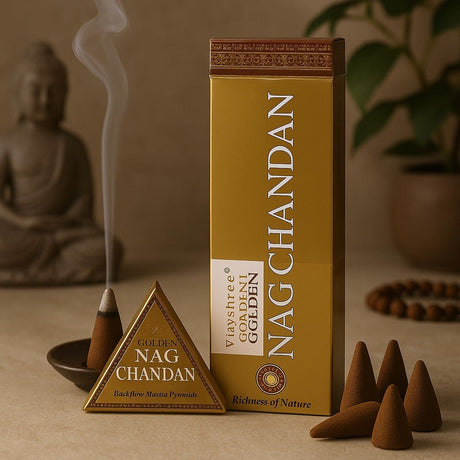
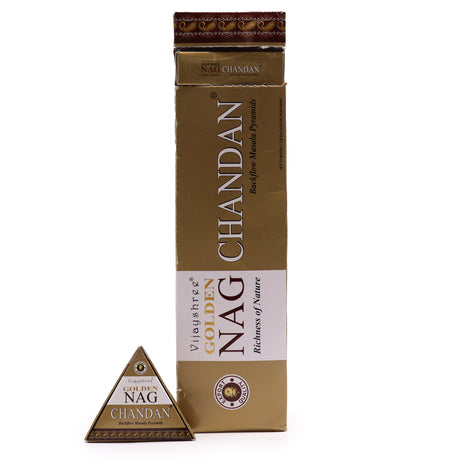
A Nag Champa India világszerte legismertebb füstölőkeveréke: a champaka virágot szantálfával, gyantákkal és saját fűszerkeverékkel ötvözi. A formula gyökerei olyan templomi receptekig nyúlnak vissza, amelyeket azért készítettek, hogy hosszú meditációk alatt is fenntartsák az elmélyülés légkörét.
A Bangalore-i gyártási hagyományokban gyökerező Satya Sai Baba Nag Champa keveréket széles körben a világ legkelendőbb füstölőjeként tartják számon. A masala módszerrel készül, és állandóságáért nagyra értékelik. Sok külföldön élő ember számára ez az első kapcsolódási pont India tágabb illatosító hagyományaival.

Ájurvédikus aromaterápia: dósák és illatválasztás
Az ájurvédikus szemlélet szerint az emberek három alkati típus, a Vata, a Pitta és a Kapha alapján érthetők meg, és a hagyomány mindegyikhez bizonyos illatminőségeket társít.
A Vata (levegő és tér) hagyományosan meleg, édes, földelő illatokkal párosul, például szantálfával, vaníliával és hűsítő vetiverrel. A Pittához (tűz és víz) hűsítő, édes, lágyító illatokat társítanak, például rózsát, jázmint és szantálfát. A Kaphához (föld és víz) élénkebb, melegítő, fűszeresebb jegyek illenek, például a gyömbér, a fahéj és az eukaliptusz.
Ez egy megfontolt módja annak, hogy szabályok vak követése helyett tudatosan válassz. Tekints rá kiindulási keretként: a hagyomány szemlélete, amelyet eléd tárunk, miközben végső soron a saját orrod dönt.
Elárulhatnak nekünk valamit az aromás vegyületek?
Valódi, bár gyakran félreértett kíváncsiság övezi azt, mi adja ezeknek az illatoknak a jellegét. A szantálfát aromás vegyületei miatt vizsgálták, és sokan egyszerűen földelőnek érzik az illatát, mielőtt leülnének meditálni. A jázmint is régóta nagyra értékelik az indiai hagyományban felemelő, édes aromája miatt.
Inkább őszinték vagyunk, mintsem túlzó ígéreteket tegyünk. Ezeknek az aromás anyagoknak hosszú kulturális múltjuk van, de nem gyógymódok, és nem helyettesítik a pihenést vagy a gondoskodást. Akkor működnek a legjobban, ha egy tágabb gyakorlat részeként használod őket: tudatos légzés, rendezett tér, ráérős pillanat.
Texturális dimenziók: érintés és átalakulás
India illatosító hagyományai túlmutatnak az illaton, és kiterjednek az érintésre is - a rituálé azon részére, amelyet a kezedben érzel.
Szent paszták és porok
A kumkuma (vörös festékpor), a vibhuti (szent hamu) és a chandan (szantálfapaszta) mind sajátos textúrát hordoznak; hagyományosan az ádzsnyá csakránál, a homlokon alkalmazzák őket. A szantálfa nedves kövön való őrlése, a paszta hűvössé válásának érzete és gondos felvitele egy rutinszerű mozdulatot tudatosabbá tesz.
Az olyan hagyományos szépségápolási készítmények, mint az ubtan - csicseriborsóliszt kurkumával, rózsavízzel és olajokkal elkeverve -, illatuk mellett szemcsés, hámlasztó textúrát is kínálnak.
Természetes textilillatosítás
Az indiai textilek magukba szívják és megőrzik az illatokat, így az érintésre rétegződik az aroma. A szárított jázminnal vagy vetivergyökérrel tárolt selyemszárik lágy illatot gyűjtenek, amely a test melegének hatására újra felszabadul.
A vetivergyökérből szőtt khuszfüggönyöket a legforróbb hónapokban megnedvesítik, hogy hűtsék és illatosítsák a helyiséget. Durva, földes textúrájuk és zöldes illatuk egyszerre nyújt több érzékszervre ható, praktikus és kellemes komfortot.
Kortárs alkalmazások: slow living és indiai aromás termékek
A modern tudatos kultúrát átható slow living szellemisége természetesen kapcsolódik ezekhez a hagyományokhoz, amelyek a jelenléten, a rituálén és a figyelmen alapulnak.
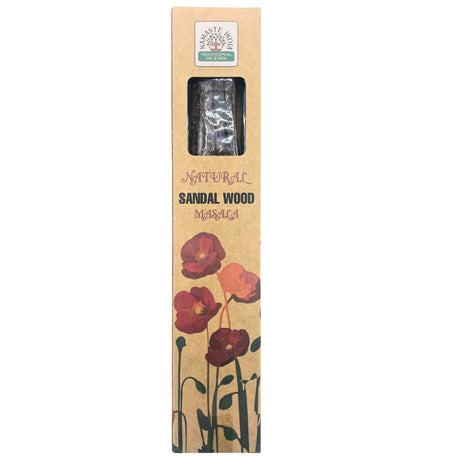
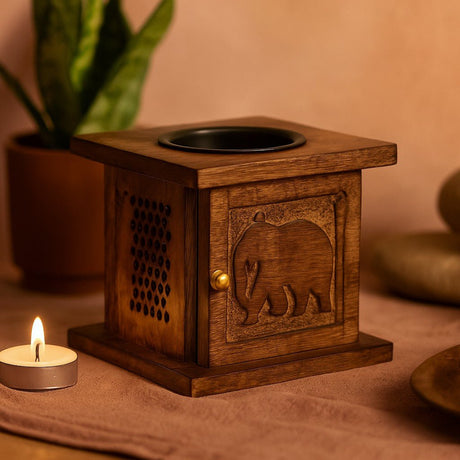
A SHAMTAM-nál tudatos élethez kapcsolódó tárgyakkal dolgozunk, és az indiai aromás termékek ennek a szívéhez állnak közel. Kézzel sodort füstölőink itt kapnak helyet, az ájurvédikus olajok, a természetes gyanták és más, Indiából származó tárgyak mellett - hidat képezve egy régi kulturális örökség és a mai, csendesebb, megfontoltabb életmód között.
Miért illenek az indiai aromás termékek a mindfulness-gyakorlathoz?
Ezeknek az aromás anyagoknak a több érzékszervre ható jellege ad valamit, amire a figyelem ráhangolódhat. A füstölő meggyújtása kis küszöbbé válik: határ a mozgalmas és a nyugodt, a külvilág és a belső világ között.
Egy ilyen érzéki kapaszkodó segíthet megtartani a gyakorlatot, különösen akkor, amikor még kezdő vagy. A látható füst, az égés közben változó illat és a gyufa meggyújtásának apró, tudatos mozdulata mind konkrét pontot ad az elmének, ahol megpihenhet, miközben a csendesebb munka folytatódik.
Hagyományos és nagyüzemi gyártás egymás mellett
| Tényező | Hagyományos indiai módszerek | Nagyüzemi gyártás |
|---|---|---|
| Összetevők | Természetes gyanták, illóolajok, faporok, növényi összetevők | Szintetikus illatanyagok, vegyi kötőanyagok, mesterséges színezékek |
| Gyártási idő | Napok vagy hetek, a szárítást és érlelést is beleértve | Órák, ipari gépekkel |
| Az illat összetettsége | Rétegzett, folyamatosan változó, finoman sokszínű | Egydimenziós, egyenletes, néha csípős |
| Környezeti terhelés | Fenntarthatóbb kitermelés, biológiailag lebomló anyagok | Kőolajalapú összetevők, műanyag csomagolás |
| Kulturális kapcsolódás | Nemzedékeken át örökített tudást hordoz, és kézműves közösségeket támogat | Elszakadt az eredeti hagyományoktól |
| Ár | Magasabb, mivel a munkaerő és a természetes alapanyagok költsége nagyobb | Alacsonyabb, a méretgazdaságosságnak köszönhetően |
| Elérhetőség | Korlátozott, kézművesektől függő | Kereskedelmi üzletekben széles körben kapható |
Az illat rituális felépítése
India illatosító hagyományai olyan rituális keretek között élnek, amelyek az érzékek köré szervezik az időt és a teret.
A sandhja órái, a hajnal és az alkonyat fordulópontjai, hagyományosan kedvelt időszakok a füstölők és illatosítók használatára, így az emberi ritmus összhangba kerül a nap saját ritmusával. A templomok építészete az illat finom ismeretéről árulkodik: a zárt terek megtartják a füstöt, miközben a gondosan kialakított szellőzés lehetővé teszi, hogy lassan sodródjon és oszoljon szét.
Az otthoni púdzsaszentély ugyanezt kicsiben valósítja meg: egy apró illatos szentély a hétköznapi otthoni életbe illesztve. A rendszeres füstölés fokozatosan átitatja illattal a szobát, mígnem maga az illat a nyugalom és az elmélyülés jelentését hordozza.
Saját illatosító rituálé kialakítása
A tartalmas gyakorlat következetességet és odafigyelést kíván, nem bonyolultságot. Kezdd egyetlen jó füstölővel vagy illóolajjal, amely valóban vonz, és illik ahhoz, amilyenné a pillanatot tenni szeretnéd.
Kösd egy meghatározott időponthoz: a reggel első perceihez, a meditáció előtti pillanathoz, vagy az elalvás előtti lecsendesedéshez. Idővel sokan azt tapasztalják, hogy az illat halk jelzéssé, ismerős üzenetté válik: ideje lelassítani és elmerülni a pillanatban. A rendszeresség végzi el a munkát, nem a birtokolt dolgok száma.
Összegzés
India illat- és textúrahagyományai jóval többet kínálnak kellemes illatnál: a tudatos jelenlét, a kulturális kapcsolódás és a jelen élesebb érzékelése felé nyitnak utat. A szantálfaerdőktől a jázminillatú estéken át arra hívnak, hogy lassítsunk, mélyeket lélegezzünk, és úgy találkozzunk a pillanattal, ahogyan van.
Az, hogy ezek a módszerek túlélték az iparosodást, sokat elárul a kézművesség, a kézről kézre átadott tudás, valamint a lassú és igényes munkával készülő dolgok értékéről. Egy autentikus indiai illatosító választása apró módja annak, hogy életben tartsuk ezt az örökséget, miközben saját mindennapjainkat is gazdagítjuk.