Drzwi wejściowe wciąż są zamknięte. Dom jest cichy, czajnik jeszcze nie stoi na ogniu, telefon jeszcze się nie rozświetlił. Za chwilę ruszysz do przodu, nie po to, by dokądś dotrzeć, lecz by jedna runda ruchu wyznaczyła rytm dnia, zanim dzień zrobi to za ciebie. Dwanaście pozycji, dwanaście oddechów, może dziewięćdziesiąt sekund. Tak jak ktoś mógł kiedyś wyjść, by powitać prawdziwe słońce. Nie zajęcia, nie trening. Jedna fala, która wraca do miejsca, w którym się zaczęła.
Co kryje się w tej nazwie
Surya Namaskar to sanskryt. Surya to hinduskie bóstwo solarne, uosobione słońce, które tradycja uznaje za duszę i źródło wszelkiego życia. Namaskar to gest powitania: złożenie dłoni i ofiarowanie ich. Nazwa jest dosłownym opisem czynności. Witasz słońce, a nie ćwiczysz przed nim. Ta różnica ma znaczenie. Powitanie jest czymś, co ofiarowujesz komuś, kogo cieszysz się widzieć; niesie ciepło rozpoznania. Sekwencja jest zbudowana wokół tego ofiarowania: ramiona unoszą się i otwierają, ciało składa się i pochyla, a na końcu dłonie wracają do serca. To ten sam gest, rozciągnięty na całe ciało.
Skąd pochodzi ta praktyka
Oddawanie czci słońcu ma długą historię. Rygweda, jeden z najstarszych tekstów tradycji indyjskiej, sławi Surję jako oko kosmosu, źródło, z którego przychodzi życie. Skłon w stronę świtu jest starożytnym gestem. Ustandaryzowana sekwencja dwunastu pozycji ma jednak niewiele ponad sto lat. Spopularyzował ją i nadał jej nazwę Bhawanrao Shriniwasrao Pant Pratinidhi, radża Aundh, w swojej książce z 1929 roku The Ten-Point Way to Health: Surya Namaskars. Pisał o niej jako o już powszechnej tradycji marackiej, a nie o własnym wynalazku. Antropolog Joseph Alter udokumentował, że sekwencja nie pojawia się w żadnym tekście hatha-jogi sprzed XIX wieku; tradycja indyjska łączy XVII-wiecznego marackiego świętego Samartha Ramdasa z ćwiczeniami Surja Namaskara, nie precyzując jednak wykonywanych ruchów.
Tym, co przeniosło tę praktykę do szerszego świata, było nauczanie Tirumalai Krishnamacharyi w pałacu w Mysore na początku XX wieku. Dwóch jego uczniów ukształtowało jej globalny zasięg: K. Pattabhi Jois, który stworzył jogę Ashtanga, oraz B. K. S. Iyengar, który stworzył jogę Iyengara. Cześć oddawana słońcu jest starożytna; płynna forma jest nowoczesna. Żadna z tych historii z osobna nie wyczerpuje całości.
Dwanaście pozycji, jeden oddech po drugim

Standardowy cykl obejmuje dwanaście pozycji, z których każda przypada na jeden oddech. Nie traktuj go jak listy kontrolnej, lecz jak jedną formę, która otwiera się i zamyka, tak jak fala wznosi się i wraca:
- Pranamasana, pozycja modlitewna w staniu, dłonie przy sercu.
- Hasta Uttanasana, ramiona unoszą się nad głowę, klatka piersiowa się unosi.
- Uttanasana, skłon w przód w staniu, kręgosłup składa się w kierunku nóg.
- Ashwa Sanchalanasana, niski wykrok, jedna stopa cofa się.
- Adho Mukha Svanasana, pies z głową w dół, ciało tworzy odwróconą literę V.
- Ashtanga Namaskara, pozdrowienie ośmiopunktowe: kolana, klatka piersiowa i broda opuszczone ku ziemi. W tradycjach Ashtangi i Iyengara zastępuje je Chaturanga Dandasana, deska na czterech podporach - autentyczna różnica w przekazie tradycji, a nie błąd wymagający korekty.
- Bhujangasana lub Urdhva Mukha Shvanasana, kobra lub pies z głową w górę, z unoszącą się klatką piersiową.
- Adho Mukha Svanasana, ponownie pies z głową w dół.
- Ashwa Sanchalanasana, wykrok z drugą stopą wysuniętą do przodu.
- Uttanasana, skłon w przód.
- Hasta Uttanasana, ramiona unoszą się.
- Pranamasana, powrót do stania, dłonie przy sercu.
Dwanaście pozycji, a potem znów znajdujesz się tam, gdzie zacząłeś. Ten powrót jest konstrukcyjnym sercem praktyki. Wszystko wcześniej było zejściem ku ziemi; wszystko później jest powrotem. Nie chodzi o to, ile rund wykonasz, lecz o to, że wróciłeś.
Serce sekwencji: Bhujangasana

Środek ciężkości znajduje się w trzech środkowych pozycjach: opuszczaniu, unoszeniu i odpychaniu się do tyłu. Oddech zatrzymuje się na chwilę w Ashtanga Namaskarze, gdy ciało znajduje się blisko ziemi; wdech unosi klatkę piersiową do kobry, a kręgosłup wydłuża się w długim, łagodnym wygięciu w tył; wydech odpycha ciało z powrotem do psa z głową w dół, biodra unoszą się, a pięty kierują się ku dołowi. W tym miejscu sekwencja zmienia kierunek. Wszystko wcześniej było zejściem; wszystko później jest powrotem.
Tradycja umiejscawia czakrę splotu słonecznego, Manipura, w okolicy pępka - w centrum ciepła i woli ciała - i mówi, że Powitanie Słońca tradycyjnie ożywia ten ośrodek. Delikatne wygięcie w tył w kobrze to moment, w którym to rozgrzanie jest odczuwane najbardziej bezpośrednio: klatka piersiowa unosi się, przód ciała otwiera się ku światłu, a środek ciała wykonuje pracę potrzebną do uniesienia. Pamiętaj o odczuciu unoszącej się klatki piersiowej i bioder przesuwających się do tyłu. Wokół tego układa się cała reszta.
Adho Mukha Svanasana: odpoczynek w odwróceniu

Pies z głową w dół pojawia się w rundzie dwa razy, a za drugim razem ma inną jakość. Za pierwszym razem jest przejściem, za drugim - wyciszeniem. Biodra są wysoko, kręgosłup długi, a głowa rozluźniona między ramionami. Pozwól, by oddech stał się tutaj dłuższy. Ciało odwraca się, a ciężar poranka zostaje na chwilę uporządkowany na nowo; pracują nogi, pracują ramiona, a kręgosłup po prostu zwisa. Traktuj tę pozycję jak odpoczynek, nie jak trwanie w bezruchu. Jeśli ścięgna podkolanowe są napięte, ugnij kolana; kształt tworzy kręgosłup, nie pięty.
Oddech jako nić
To oddech sprawia, że Powitanie Słońca jest praktyką, a nie zestawem rozciągnięć. Każda pozycja jest połączona z jednym oddechem, a oddech prowadzi. Wdech unosi ciało: ręce wznoszą się, klatka piersiowa otwiera się w wykroku, a kręgosłup wydłuża w kobrze. Wydech składa ciało i kieruje je w dół: w skłonie do przodu, psie z głową w dół i przy opuszczaniu się ku ziemi. Ashtanga Namaskara jest krótkim zawieszeniem między odepchnięciem w dół a unoszeniem się w górę. Cała runda to jedna długa fala oddechu.
Jeśli oddech staje się krótki lub wymuszony, runda przebiega szybciej, niż chce tego ciało. Zwolnij. Oddech jest metronomem i miarą. Runda, która w spokojny poranek trwa dziewięćdziesiąt sekund, a w sztywny poranek dwie minuty, wciąż jest tą samą rundą.
Runda przy drzwiach, krok po kroku
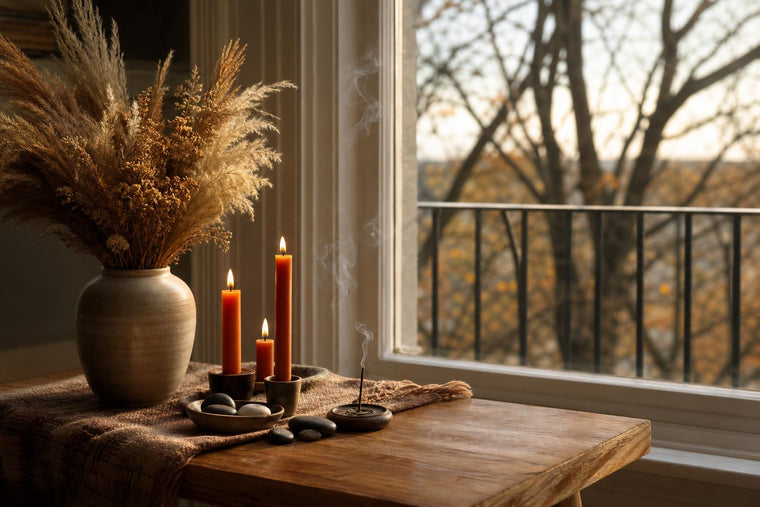
Jedna runda. Dwanaście oddechów. Na progu drzwi wejściowych o świcie, zanim włączysz czajnik, zanim sięgniesz po telefon. Mata nie jest potrzebna, choć przyjemnie jej użyć; nie potrzebujesz też specjalnego stroju, wystarczy coś, w czym możesz się schylać. Jeśli rano jest chłodno, zapal świecę o świcie i pozwól, by ogrzała kąt, podczas gdy będziesz się poruszać.
Stań ze stopami razem i dłońmi przy sercu. Pozwól, by jeden oddech uspokoił ramiona; to Pranamasana, próg rundy.
Weź wdech i unieś ręce nad głowę. Pozwól, by kręgosłup się wydłużał, zamiast wyginać; uniesienie bierze początek w klatce piersiowej, nie w dolnej części pleców. Zrób wydech i pochyl się do przodu z bioder, opierając dłonie na podłodze lub na goleniach. Jeśli ścięgna podkolanowe są napięte, ugnij kolana; skłon wykonuje się w biodrach, a nie po to, by sprawdzać możliwości nóg.
Weź wdech i cofnij prawą stopę do niskiego wykroku, opuszczając kolano i otwierając klatkę piersiową. Zrób wydech i cofnij lewą stopę, unosząc biodra do psa z głową w dół; ciało tworzy odwróconą literę V, kręgosłup jest wydłużony, a głowa rozluźniona. Pozwól, by oddech stał się tutaj dłuższy.
Wstrzymaj wydech na chwilę, opuszczając kolana, klatkę piersiową i brodę na ziemię - Ashtanga Namaskara, pokłon ośmioma częściami ciała, z ciałem blisko podłoża. Następnie weź wdech i przesuń klatkę piersiową do przodu i w górę, przechodząc do kobry; łokcie trzymaj blisko żeber, a wygięcie wykonaj delikatnie i nisko. Jeśli dolna część pleców protestuje, unieś się tylko odrobinę. Zrób wydech i odepchnij się z powrotem do psa z głową w dół.
Weź wdech i wysuń prawą stopę do przodu, przechodząc do wykroku. Zrób wydech i dostaw lewą stopę, pochylając się do przodu. Weź wdech i unieś się, podnosząc ramiona nad głowę. Zrób wydech i wróć dłońmi do serca.
Jedna runda. Dwanaście oddechów. Ramiona unosiły się, składały, znów unosiły i wracały. Zacznij tylko od jednej rundy. Niech praktyka będzie powrotem.
Kiedy praktykować - tradycja wschodu słońca
Sekwencja nosi nazwę od słońca, a tradycja umieszcza ją o wschodzie słońca, w pierwszym świetle, w chwili, gdy zaczyna się dzień. Początkowy gest jest skierowany ku świtowi, a powitanie należy do chwili spotkania. Jest coś naturalnie właściwego w wejściu na matę, zanim dom się obudzi, zanim dzień nabierze kształtu.
Jednak praktyka dopasowana do twojego poranka to ta, której będziesz się trzymać. Sekwencja potrzebuje progu, szwu między jednym stanem a kolejnym, a wczesny poranek jest najbardziej naturalnym, choć nie jedynym momentem. Zapalenie patyczka porannego kadzidła przy wchodzeniu na matę to jeden ze sposobów, by zaznaczyć ten szew; ten sam zapach każdego dnia mówi ciału, że próg został przekroczony. Słońce wschodzi; ty wykonujesz powitanie. To ty wybierasz porę.
Dwanaście imion Sūryi
Każda z dwunastu pozycji jest tradycyjnie łączona z jednym z dwunastu imion Sūryi z Aruna Prashna, recytowanych jako mantra: Mitra, Ravi, Surya, Bhanu, Khaga, Pusha, Hiranya Garbha, Marichi, Aditya, Savitre, Arka, Bhaskara. Każde jest poprzedzone słowem Om i zakończone słowem Namah; pierwsze brzmi Om Mitraya Namah, a następnie wypowiada się kolejnych jedenaście. Z sekwencją wiąże się także sześć mantr bija: Hram, Hrim, Hrum, Hraim, Hraum, Hrah, każda poprzedzona słowem Om. Są to sylaby dźwiękowe, a nie słowa podlegające tłumaczeniu, tradycyjnie łączone z centrami energetycznymi ciała.
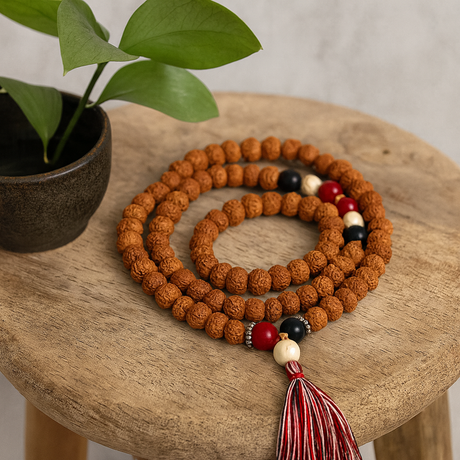
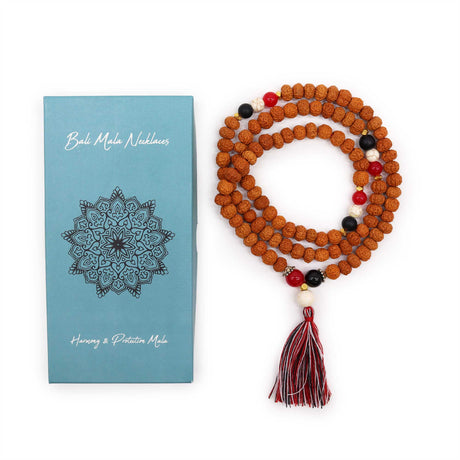
To element, który ciekawa osoba praktykująca może dodać później, a nie wymóg na początek. Dźwięk jest punktem skupienia dla umysłu, czymś, na czym można utrzymać uwagę, gdy ciało się porusza. Mala dźapa z 108 koralików jest tradycyjnym licznikiem: jeden koralik na każdą mantrę, dwanaście rund tworzących pełny cykl 108, z przesuwaniem koralika kciukiem i palcem środkowym. Możesz jednak zacząć od samego oddechu, ciała i progu.
Gdy jedna runda staje się dwiema
Dodaj drugą rundę dopiero wtedy, gdy pierwsza stała się czymś zwyczajnym, gdy fala jest już na tyle znajoma, że ciało przechodzi przez nią bez zastanawiania się, co nastąpi dalej. Nigdy nie dodawaj rundy tylko po to, by osiągnąć określoną liczbę. Niektóre tradycje dążą do dwunastu lub 108 rund - to prawdziwa ścieżka dla tych, których do tego ciągnie. W praktyce slow life liczy się regularność, nie ilość. Jedna runda, do której wracasz codziennie, daje więcej niż dwanaście wykonanych raz i porzuconych.
Wieczorne dopełnienie: Chandra Namaskar
Istnieje także towarzysząca sekwencja, Chandra Namaskar, Powitanie Księżyca, opracowana pod koniec XX wieku jako łagodniejszy, wyciszający odpowiednik. Podczas gdy Powitanie Słońca unosi i otwiera, Powitanie Księżyca opuszcza i zmiękcza. Obie sekwencje często łączy się jako równowagę poranka i wieczoru. Nie potrzebujesz obu; Powitanie Słońca sprawdza się samo, a Powitanie Księżyca możesz potraktować jako spokojną opcję na drugą porę dnia, gdy ciało chce opaść, zamiast się unosić.
Savasana: przyjęcie praktyki
Po ostatniej rundzie połóż się na plecach. Ramiona ułóż nieco dalej od tułowia, dłonie skieruj ku górze, stopy pozwól, by opadły na zewnątrz, zamknij oczy. To Savasana, pozycja trupa, końcowa pozycja sekwencji i ta, którą wiele osób praktykujących pomija. Tradycja postrzega ją jako chwilę, w której praktyka zostaje przyjęta i przyswojona. Oddech wraca do naturalnego rytmu. Ciało przyjmuje to, co poruszyła sekwencja. Wystarczą nawet dwie lub trzy minuty. Potem wstajesz i zaczyna się dzień.
To właśnie ta pozycja jest konstrukcyjną podstawą praktyki. Bez niej runda jest ćwiczeniem; z nią staje się powitaniem, które zostało przyjęte.
Tworzenie porannej przestrzeni praktyki
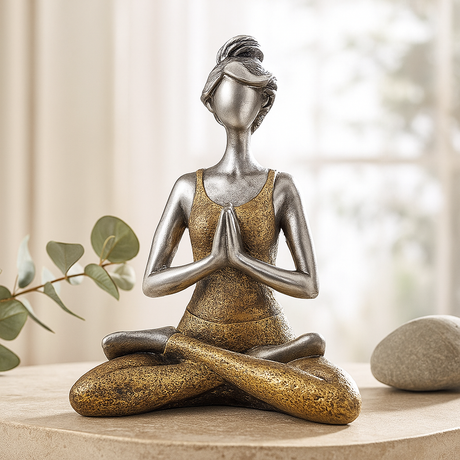
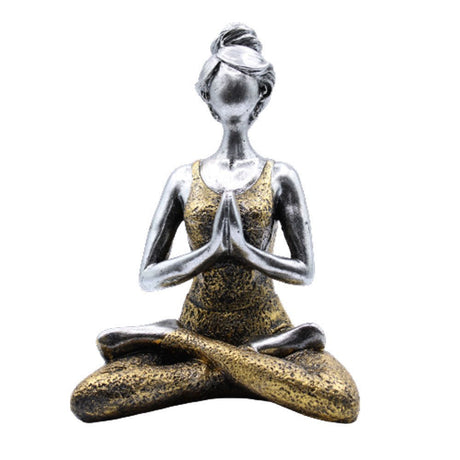
Potrzebujesz niemal niczego. Oddech i ciało wykonują całą pracę. Kilka prostych, prawdziwych przedmiotów pomaga osadzić tę chwilę - nie jako sama praktyka, lecz jako jej towarzysze. Mata daje stopom miejsce, na którym mogą stanąć. Kilka kropli olejków eterycznych w kominku zapachowym nasyca powietrze aromatem, gdy się wyciszasz, a ten sam zapach każdego ranka sprawia, że ten kąt staje się znajomy. Figurka do przestrzeni praktyki, cicha forma na skraju maty, przypomina o tradycji, z której wywodzi się ta sekwencja, o linii nauczycieli, którzy stawali na własnych progach i witali to samo słońce. Żaden z tych przedmiotów nie wykonuje pracy. Wyznaczają chwilę. Praktyką jest stanie, oddychanie i powracanie.
Z powrotem do drzwi
Drzwi wejściowe. Pierwsze światło. Dom wciąż cichy. Jedna runda, dwanaście oddechów, ramiona unoszą się, składają, znów unoszą i wracają. Słońce wschodzi; ty je witasz. Dzień wprawia w ruch nie wysiłek, lecz uwaga - stoisz na progu, zanim cokolwiek innego upomni się o ciebie.
Jutro - to samo. Ta powtarzalność nie jest stagnacją; właśnie o to chodzi. Praktyka, do której wracasz, podtrzymuje cię, tak jak oddech podtrzymuje cię przez cały dzień, bez potrzeby proszenia o to. Jedna runda. Dwanaście oddechów. Dzień powitany.