Livrare gratuită peste £33 · expediat din Regatul Unit · taxe incluse

Intenție

Grounding

Grounding is the practice of returning to the body and the present moment: the counterweight to a mind that drifts upward and away.

Cumpără de la Grounding

349 produse

Grounding is the practice of returning, to the body, to the breath, to the floor beneath the feet. The tradition holds that the mind does what minds do: it goes upward, into tomorrow's list, last week's conversation, the argument you didn't win. Grounding is the counterweight.

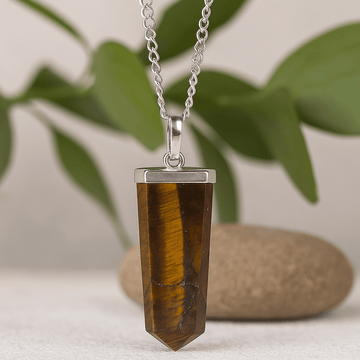
The oldest methods are physical: hands in soil, bare feet on grass, cold water on the wrists. Stone traditions work alongside these, not replacing the body, but marking territory. Hematite, named for the Greek word for blood, is dark and dense, its weight reassuring in the palm. Smoky quartz carries a muted warmth. Black tourmaline's long striations catch light differently depending on how you hold it. Red jasper has the texture of desert sandstone.

The practice the tradition suggests is simple. Hold the stone. Feel its weight. Press both feet flat to the floor. Breathe, and let the attention settle.

Earth-smell is grounding's other register. Vetiver, cedarwood, patchouli. These are the scents that anchor rather than lift. They belong to the mornings when the list is already long, and to the evenings when the mind keeps working after the work is done. Light one and let it mark the shift: here, attention comes back down.

Below: our catalogue's gathering for this practice: stones heavy enough to keep the intention in view, earthy scents for the desk or the bedside, and the objects that ask nothing except that you return to them.

Întrebări frecvente

What crystals are good for grounding?

Hematite, smoky quartz, black tourmaline and red jasper are traditionally reached for. The tradition values density and dark colour, stones that feel heavy in the hand and carry the visual weight of earth rather than sky. Each is held during breathwork or kept nearby when attention scatters upward.

What is the most powerful grounding stone?

Hematite is most often named, for its iron-rich density and the weight it brings to the palm. The tradition holds that the heaviest stone calls attention downward most clearly. Black tourmaline and smoky quartz follow closely, valued for their dark, anchoring presence in both hand and sight.

How do you use grounding stones?

Hold the stone in your palm, press both feet flat to the floor, and breathe slowly. The tradition suggests keeping one on the desk during work, or in a pocket for tactile reminder. Some place a stone at each corner of a room to mark the space as intentionally earthed.

What chakra is associated with grounding?

The root chakra, called muladhara in Sanskrit, is traditionally paired with grounding. Located at the base of the spine, it governs the feeling of safety and connection to the physical world. Red jasper and hematite are the stones most often placed there during seated practice or visualisation.

What scents are grounding?

Vetiver, cedarwood and patchouli are the tradition's anchors: earthy, wood-based scents that pull attention downward rather than lift it. Burn them as incense during morning routines or evening wind-down, or apply as essential oil to pulse points when the mind drifts into rehearsal or worry.