Gratisversand ab £33 · Versand aus Großbritannien · inkl. Steuern

Aroma

Cinnamon

The spice that rewrote trade routes and still smells like a warm kitchen in November. Warm, sweet-sharp, and distinctly itself: cinnamon belongs to afternoon light and the slow build of a season.

DuftfamilieSpicy
Beste JahreszeitAutumn, Winter
TageszeitAfternoon

Bei Cinnamon einkaufen

44 Produkte

Cinnamon comes from the inner bark of Cinnamomum trees, stripped, rolled and left to cure into the quills that have been traded across the world for at least four thousand years. The name reaches back through Greek and Phoenician to an Arabic root, and long before refrigeration or global shipping, the bark carried the same associations it carries now: warmth, sweetness, the sense of a kitchen with something good in it.

Two species dominate the market. True cinnamon (Cinnamomum verum, sometimes called Ceylon) is pale, fine and mild. Cassia cinnamon, most common in European shops, is darker, harder and carries a more assertive warmth. Both smell the same at first encounter: the familiar, unmistakable lift of warm spice. But cassia opens sharp and sweet, with a faint edge of clove and barely-there citrus; it settles into something deeper, almost woody, that lingers longer than the opening note suggests.

The tradition places cinnamon where the year turns: autumn markets, winter kitchens, the slow build toward the end of the year. Afternoon is its natural hour, not the bright start of a day but the quieter middle and after, when the light goes amber and the body needs a small recharge. In our intention vocabulary it belongs to Abundance and Energy; in mood, to Joy and that particular kind of Energy that doesn't need to rush.

The suggestion the tradition offers is simple: light a cinnamon-scented candle at the same hour on autumn afternoons, and let the scent mark the shift. After a few weeks, the body will begin to recognise the hour before you've lit it. That is the practice. The scent is the cue; the practice is yours.

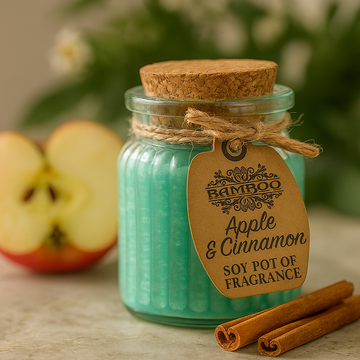
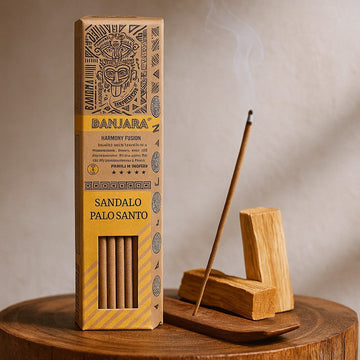
Below: our catalogue's cinnamon shelf: essential oil, candles, incense and blends for the warm, sweet-sharp register of the season's turn.

Schwingt mit

Stimmungen

Absichten

Häufig gestellte Fragen

Is there a difference between cinnamon essential oil and cinnamon bark essential oil?

Cinnamon bark oil is distilled from the bark of Cinnamomum trees, while cinnamon leaf oil comes from the leaves; bark oil is warmer, sweeter and more potent, with the familiar kitchen-spice character, whereas leaf oil is lighter and carries more clove-like eugenol. Most cinnamon essential oils sold in Britain are bark oils, often from cassia rather than true Ceylon cinnamon.

Where to apply cinnamon oil?

Cinnamon essential oil is traditionally used in a diffuser or oil burner rather than applied to skin undiluted, as it is potent and can cause irritation. If blending into a carrier oil for topical use, keep the dilution very low, under one per cent, and always patch-test first, avoiding sensitive areas entirely.

What are the potential side effects of using cinnamon essential oil?

Cinnamon essential oil can irritate skin and mucous membranes if used undiluted or in high concentration; it is also a known sensitiser, meaning repeated exposure may increase reaction over time. Use sparingly in a diffuser, never ingest, and keep away from eyes, children and pets: particularly cats, for whom many essential oils are toxic.

Are there any essential oils that should not be used together?

Most essential oils can be blended safely in a diffuser, but avoid combining multiple potent or skin-sensitising oils (such as cinnamon, clove and oregano) in topical blends, as their effects compound. In aromatic use, trust your nose: if a combination smells harsh or overwhelming, dilute it or separate the oils into different sessions.

What should you not mix cinnamon with?

In a diffuser, cinnamon pairs well with citrus, vanilla, clove and woody oils, but can overwhelm delicate florals or clash with sharply green herbaceous scents like eucalyptus. For topical blends, avoid combining cinnamon with other hot oils (clove, oregano, thyme) as the irritation risk multiplies, and never add cinnamon to preparations for broken or sensitive skin.