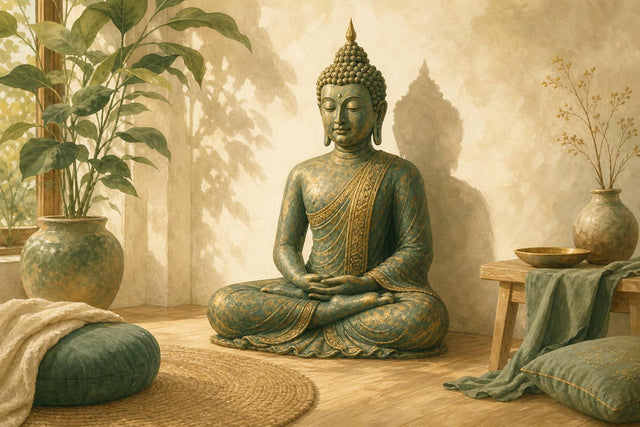
Buddha
Buddha-patsas esittää Siddhartha Gautamaa, opettajaa, joka eli Pohjois-Intiassa noin viidennellä vuosisadalla eaa. ja jonka opetuksesta syntyi buddhalaisuus. Jokainen asento ja käden ele muistuttaa hetkestä hänen elämästään: meditaatiosta, opettamisesta, heräämisen yöstä. Buddhalaisille patsas on kunnioituksen kohde ja muistutus hänen osoittamastaan tiestä.
- Perinne
- Buddhalaisuus, Pohjois-Intiasta
- Ensimmäiset patsaat
- noin 1. vuosisata jaa.
- Perinteinen paikka
- korotettu ja puhdas, ei koskaan lattialla

Kirjastossa
Tuoksut

Lahjaksi

Osta Buddha
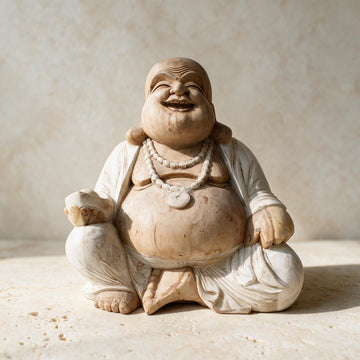
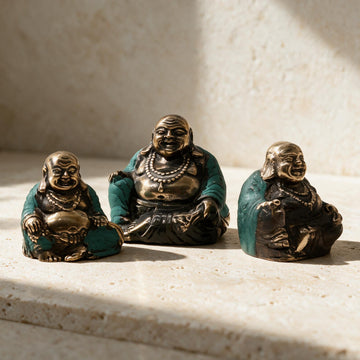
- Budai-naurava Buddha -patsas valkopesty suarpuu 50cm 50 cm · Suar-puu £220.00Jäsenille: +£14.25 takaisinVähissä varastoissa
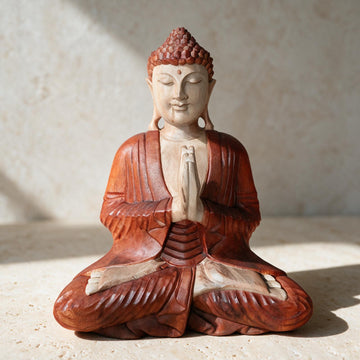
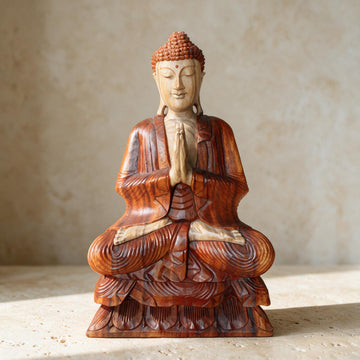
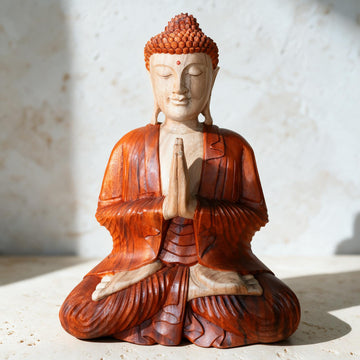
- Buddha-patsas anjalimudrassa, käsin veistettyä suaripuuta 40cm 40 cm · Suar-puu 5,0 (1)£121.95Jäsenille: +£7.90 takaisinVähissä varastoissa
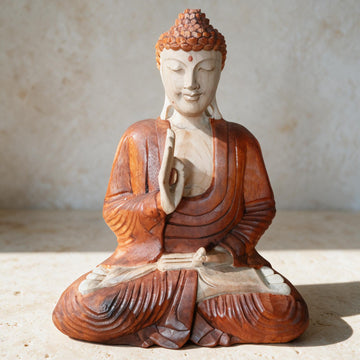
- Vitarka-mudrassa istuva Buddha-patsas, käsin veistetty suar-puusta, 40cm 40 cm · Suar-puu £121.95Jäsenille: +£7.90 takaisinVähissä varastoissa
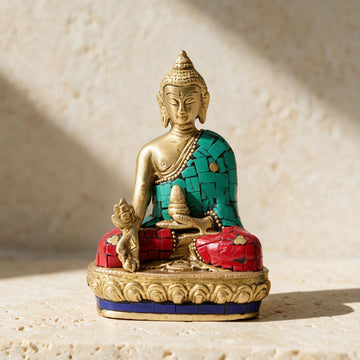
- Buddha-patsas Bhumisparsha-mudrassa, messinkiä 11.5 cm 11,5 cm · Kiinteä messinki £55.95Jäsenille: +£3.60 takaisinVähissä varastoissa
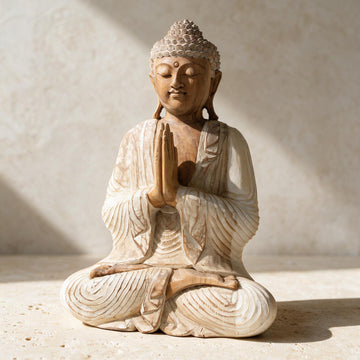
- Buddha-patsas anjali-mudrassa, käsin veistettyä kalkittua puuta 40cm 40 cm · Suar-puu £120.00Jäsenille: +£7.75 takaisinVähissä varastoissa
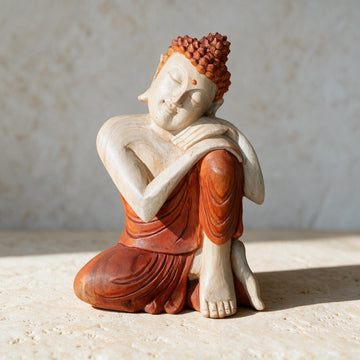
- Ajattelevassa asennossa oleva Buddha-patsas, käsin veistettyä suar-puuta 25cm 25 cm · Suar-puu 5,0 (1)£94.95Jäsenille: +£6.15 takaisinVähissä varastoissa
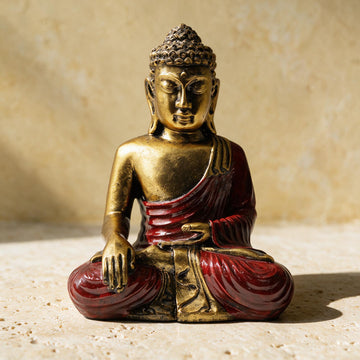
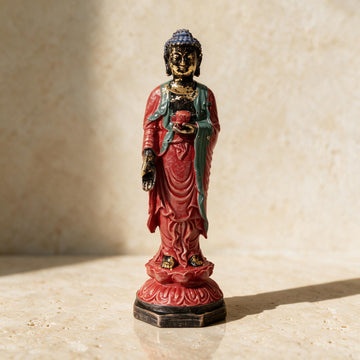
- Buddhan patsas suuri punainen ja kultainen hartsi 20 cm · Hartsi 5,0 (1)£25.95Jäsenille: +£1.60 takaisin
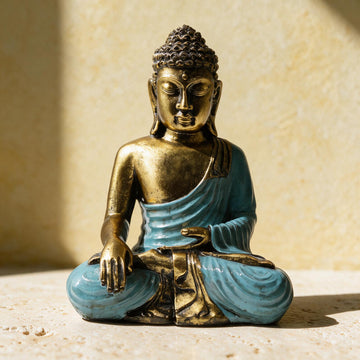
- Buddhan patsas sinivihreä ja kulta hartsia Varada Mudra 20 cm · Hartsi £25.95Jäsenille: +£1.60 takaisin
- Buddhan patsas käsinveistetty suar-puusta 80cm 80 cm · Suar-puu 5,0 (1)£480.00Jäsenille: +£28.65 takaisinVähissä varastoissa
- Buddhan patsas käsin veistetty suar-puusta 60cm 60 cm · Suar-puu £300.00Jäsenille: +£19.90 takaisinVähissä varastoissa
- Buddha-patsas vitarka-mudrassa, käsin veistettyä puuta 30cm 30 cm · Suar-puu 5,0 (1)£94.95Jäsenille: +£6.15 takaisinVähissä varastoissa
- Ajatteleva Buddha-patsas, käsin veistettyä suar-puuta, 30cm 30 cm · Suar-puu 5,0 (2)£94.95Jäsenille: +£6.15 takaisinVähissä varastoissa


Kirjastossa


Usein kysytyt kysymykset
Onko epäkunnioittavaa pitää Buddha-patsasta, jos en ole buddhalainen?
Useimmat buddhalaiset opettajat suhtautuvat siihen myönteisesti, kun patsasta pidetään kunnioittavasti: korotetulla, puhtaalla paikalla, kaukana lattiasta ja kylpyhuoneesta. Vältä käyttämästä sitä ovenpysäyttimenä, lampun jalkana tai puutarhan pilana.
Mihin suuntaan Buddha-patsaan tulisi katsoa?
Tapa vaihtelee maittain. Yleinen valinta on katsoa huoneeseen tai pääovea kohti, istuessasi silmien korkeudella tai sen yläpuolella. Puhdas, rauhallinen paikka on suuntaa tärkeämpi.
Mitä makaava Buddha tarkoittaa?
Se esittää Buddhan elämän lopussa, makaamassa oikealla kyljellään siirtyessään lopulliseen nirvanaan. Buddhalaisessa taiteessa se on rauhallinen kuva täyttymyksestä, ei surullinen.
Onko nauravan Buddhan ja Buddhan sama hahmo?
Ei. Nauravahahmo on Budai, kiinalaisen kansantarinan munkki, joka liitettiin myöhemmin Maitreyaan, tulevaan Buddhaan. Siddhartha Gautama esitetään yleensä hoikkana ja tyynenä.