
Драгоценный камень
Carnelian
Orange-red chalcedony with a long history: Roman seals, Egyptian burials, the sun-darkened gem of energy, creativity and fire.
Orange
Купить Carnelian


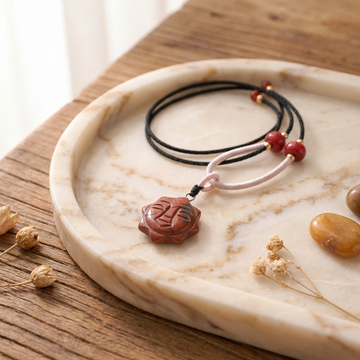


Что такое Carnelian?
Carnelian is chalcedony, microcrystalline quartz, in its orange and warm-red range, coloured by iron oxide over millennia. The name's history is a little uncertain: possibly from the Latin cornel berry (a hard red fruit), possibly from the Arabic qarnal, possibly from the Roman practice of polishing it in the sun to deepen the colour. The sun part may be true. The stone darkens convincingly when held in light.
Carnelian is ancient. Romans wore it as personal seals, carved intaglio rings pressed into wax, because the tradition held it kept documents secure and its owner visible to authority. Egyptians buried it with the dead to warm the long cold journey. By the time Romans and Persians were trading it along Silk Road routes, carnelian had accumulated several thousand years of meaning, most of it circling back to the warmth of fire, the energy of the body, and the willingness to move.
The tradition keeps it there. Carnelian belongs to the sacral chakra: Svadhisthana, below the navel, the seat of creativity, feeling and appetite. Leo and Virgo are its zodiac companions; fire is its element. The energetic associations are consistent across traditions: vitality, forward movement, a certain warmth of confidence rather than cold composure.
The honest invitation: pick the stone up in the morning, name what you're reaching for (energy, courage, the willingness to begin) and let it hold the note through the day. It works alongside your practice, not instead of it. The object keeps the intention in view; the rest is yours.
Below you'll find carnelian as tumbled stones, rings, pendulants and beads, each piece cut from natural stone, so the shade and pattern are the work of the earth alone.