
Драгоценный камень
Коралл
Precious coral is organic: the skeletal remains of marine polyps, calcium carbonate shaped by the sea over centuries. Mediterranean red is the most prized. Traditionally worn as protection.
Red/pink
Купить Коралл

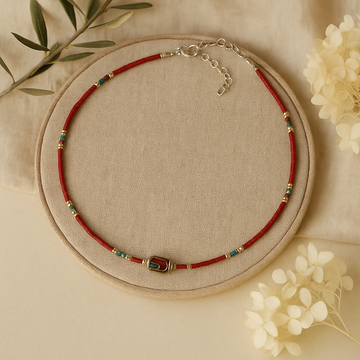


Что такое Коралл?
Precious coral is not a mineral. It is the skeletal remains of marine polyps: colonies of tiny animals that build calcium carbonate structures in deep water, slowly, over centuries. The name comes from Greek korallion, possibly derived from petra, rock, though coral is softer than stone and warm to the touch, which surprises some people the first time they hold it.
The most prized specimens grow in the Mediterranean and the western Indo-Pacific. The deep red kind, Corallium rubrum, has been harvested for jewellery since Roman times. Roman children wore it. Italian fishermen kept it in their boats. Across the Mediterranean it was threaded on cords and hung over beds, carried in pockets, given to children: always with the same quiet intention: protection against harm. The tradition runs from antiquity through to the present, and it belongs to the sea.
In the yogic map, coral is a Root and Sacral companion: the lower body, energy and warmth, the feeling of being alive in a body rather than merely inhabiting one. In the zodiac it keeps company with Pisces, the water sign, and carries the suggestion that calm and vitality are not opposites.
The tradition's quiet invitation with coral is this: hold it in the morning, name an intention for the day (energy, steadiness, care for the body) and let the stone carry that note. The colour itself is warm and specific, nothing like a cool gemstone. It brings the sea to mind, and the sea is not a small thing to hold in the hand.
Below: our catalogue's coral: pieces shaped and polished by hand, each one with its own slight variation in shade.