
Аромат
Vetiver
A tropical grass whose roots run deeper than almost any other fragrant plant: vetiver opens earthy and smoky, settles into leather and wet wood, and tradition places it with autumn evenings and the slow work of grounding.
Купить Vetiver




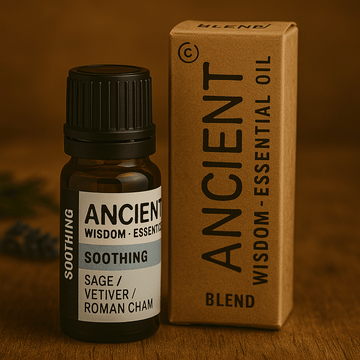

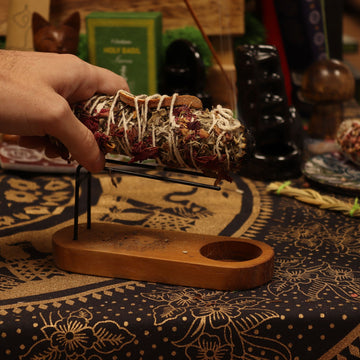
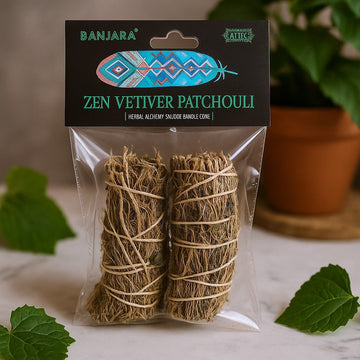
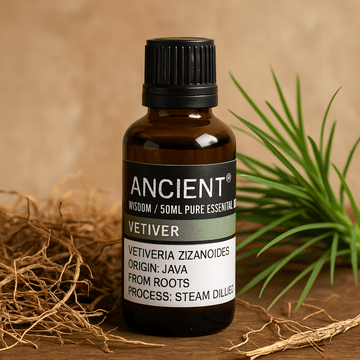
Vetiver (Chrysopogon zizanioides) is a tropical grass whose roots run two metres into the soil: deeper than almost any other fragrant plant. Where lavender comes from the flower, vetiver comes from the root. The oil is steam-distilled from those dense, fine roots and arrives as a thick, amber-brown liquid with one of the scent world's slowest dry-downs.
Open it from a bottle and the first impression is sharp and almost green (an earthen, almost smoky quality) before the depth arrives: leather, wet wood, faint smoke, something mineral underneath. It takes fifteen minutes to settle into itself. On the skin it lingers for hours; on a wooden surface, for days. This is vetiver's particular gift and also its nature.
The tradition has always kept vetiver close to the ground: both literally and in the register it works in. In India and Indonesia the roots have been woven into mats and fans for centuries; waved in the hand, they release a cool, earthy scent. Haiti and Réunion are now the primary sources outside Asia, each producing oil with a slightly different character.
Perfumers prize vetiver as a fixative, something that holds lighter scents in place, but it works equally well alone. The scent persists, which is why the tradition places it with evening, autumn and the slow work of settling down. Grounding and sleep are its associations. Not because the oil performs them, but because it has the depth and patience to hold space for a practice that does.
The tradition's quiet suggestion: a few drops in a diffuser an hour before bed, or a vetiver-scented candle lit while the evening puts itself to rights. Choose a time, keep the appointment, and let the repetition build the meaning.
Below: the catalogue's vetiver collection: essential oil, candles, incense and blends for the autumn-evening register.