
Aróma
Harmanček
The gentlest thing in the herbal garden: apple-sweet, hay-warm, quietly soporific. Chamomile has kept company with tired minds and slow evenings for two thousand years.
Nakupovať Harmanček


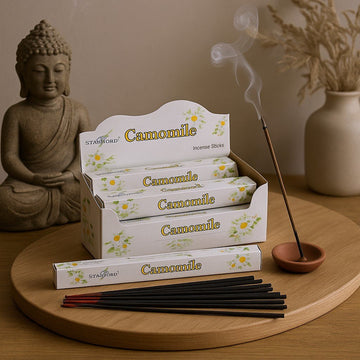
 India
India
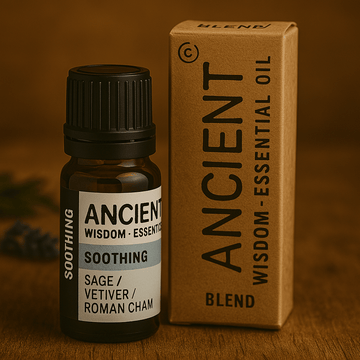


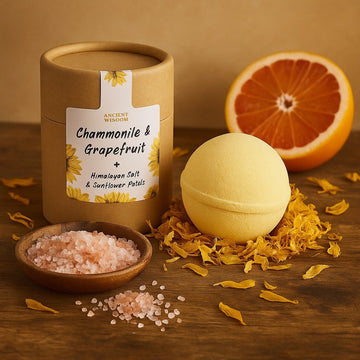


Chamomile is the gentlest thing in the herbal garden. Two species find their way into essential oil, Roman chamomile (Chamaemelum nobile) and German chamomile (Matricaria chamomilla), and both carry the same signature: a green, apple-sweet note that opens almost immediately, followed by warm hay and something faintly honeyed underneath. The scent is so familiar it is easy to forget it is a real plant, grown in fields, dried, and steam-distilled for a few hours of quiet.
The name comes from the Greek khamaimēlon, earth apple, for the scent the flower gives off when crushed. The Egyptians grew it in quantity and used it in remedies long before the Greeks gave it a name. By the Middle Ages it had travelled into every household herb garden in northern Europe, and the tradition of the chamomile pillow, a small muslin bag tucked under the head at bedtime, was already old. The name keeps: chamomile has always smelled like something laid down to rest.
In the catalogue's vocabulary it belongs to summer, to night, to the hour when the day begins to fold. It is the companion of calm and sleep, not because it does anything to the body, the tradition holds it as a cue rather than a cause, but because it has spent two thousand years marking the same territory. The brain learns. A scent that has once meant rest means rest again.
The practice is unhurried. A few drops in a diffuser an hour before bed, or a sachet in the pillowcase, or a candle lit while the room goes quiet. Same hour, same scent, unhurried breath. The repetition is the work.
Below: chamomile in the quiet register, essential oil, candles, incense, bath blends, soaps. The soft end of the shelf.