Kuvittele yksi liikkumaton kuva ennen kuin aloitamme. Sininen hahmo makaa nukkuen valtavan käärmeen kiehkuroilla, kelluen maitomerellä. Hänen kasvonsa ovat levolliset. Jumalatar istuu hänen jalkojensa juuressa. Hänen navastaan kohoaa yksi lootus, ja tuon lootuksen sisällä kokonainen uusi maailmankaikkeus uneksitaan jälleen olemassa olevaksi. Tämä on Vishnu luomisen kiertokulkujen välissä, ja se on hiljaisin kuva täydellisestä vastuusta, jonka todennäköisesti koskaan näet. Hänen merkityksensä on tässä: jumalassa, joka kantaa maailmaa ja silti lepää.
Makuuasennossa oleva jumala
Käärmeen nimi on Shesha, joka tunnetaan myös nimellä Ananta, loputon, ja jolla kuvataan usein olevan tuhat päätä. Meri on Kshira Sagara, kosminen maitomeri. Tällä Vishnun puolella, jossa hän nukkuu käärmeen päällä kosmoksen suurten kiertokulkujen välissä, on oma nimensä: Anantashayana, Vishnu lepäämässä äärettömän päällä. Hänen puolisonsa Lakshmi istuu hänen kanssaan. Hänen navastaan avautuu lootus, joka kantaa Brahmaa, luojaa, jotta luominen voi alkaa uudelleen. Siksi Vishnu tunnetaan myös nimellä Padmanabha, lootusnapainen.
Pidä kuva mielessäsi vielä hetken, sillä se on kaiken seuraavan ydinajatus. Maailmankaikkeus lepää hänen päällään, ja hänkin lepää. Kasvoissa ei ole jännitystä eikä puristunutta ponnistelua. Maailman koossa pitämisen työ kannetaan ilman huolta. Perinteessä, jossa on tuhat kiivasta ja tanssivaa muotoa, säilyttäjän keskeinen kuva on levollisuus. Se ei ole sattumaa. Se on asian ydin.
Kolminaisuuden unohdettu jäsen
Hindulaisuus on elävä perinne, ja seuraava esitetään kulttuurisena ja historiallisena taustana, ei väitteenä siitä, millainen maailma on. Siinä kolmesta suuresta jumaluudesta puhutaan yhdessä Trimurtina. Brahma liittyy luomiseen, asioiden synnyttämiseen. Shiva liittyy hajottamiseen ja pois pyyhkimiseen. Heidän välillään seisoo Vishnu, jonka tehtävä on säilyttäminen, kosmoksen ylläpito. Sanskritinkielinen sana on sthiti: jonkin pitäminen vakaasti olemassa.
Kolmesta juuri säilyttämistä meidän on vaikeinta juhlia. Kerromme tarinoita aluista ja lopuista. Merkitsemme aloituksen ja hautajaiset, ensimmäisen päivän ja viimeisen. Mutta pitkä keskivaihe, hiljaiset vuodet, joiden aikana hyvää asiaa pidetään yllä, on lähes vailla omaa kieltään. Ylläpito on romanttisuuden vastakohta. Kukaan ei järjestä juhlia sille aamulle, jolloin yksinkertaisesti ilmestyit jälleen paikalle, kastelit kasvin jälleen ja pidit lupauksesi jälleen. Silti juuri tuo epähieno jatkuvuus pitää elämän, ihmissuhteen tai maailman tosiasiassa ehjänä. Uutuuteen ja loppuun lakkaamatta kääntyvässä kulttuurissa Vishnu huolehtii siitä osasta, jota kukaan ei valokuvaa.
Ikonografian hidas lukeminen
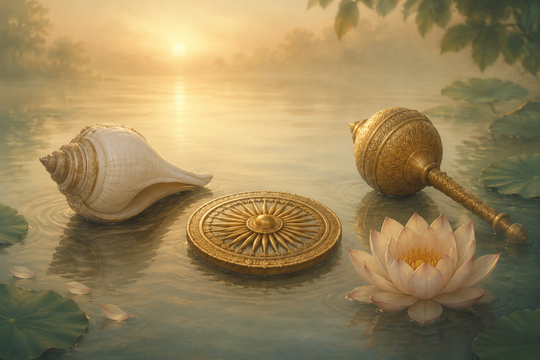
Vishnu kuvataan useimmiten syvänsinisine ihoineen, taivaan ja meren värisenä, jonkin niin valtavan värisenä, että se näyttäytyy tummana. Hänellä on neljä käsivartta. Monissa kuvissa hänen kätensä pitelevät neljää tunnusta, mutta on syytä sanoa suoraan, että kunkin esineen sijainti eri käsissä vaihtelee perinteestä ja kuvasta toiseen. Merkitykset, eivät kiinteä järjestys, ovat tärkeitä.
- Kotilotorvi (shankha), nimeltään Panchajanya. Kun siihen puhalletaan, se soi luomisen ensimmäisen sävelen, värähtelyn, josta muoto syntyy.
- Kiekko (chakra), Sudarshana Chakra. Pyörivä kehä, joka tulkitaan usein ajan kiertokuluksi ja järjestyneen mielen selkeäksi leikkaavaksi voimaksi.
- Nuija (gada), nimeltään Kaumodaki. Paino, voima ja lujuus, joka tukee lempeyttä.
- Lootus (padma). Kukka, joka kasvaa mutaisesta vedestä mutta avautuu puhtaana, tietoisuuden avautumisen vertauskuvana, sekä sama lootus, joka kohoaa hänen navastaan.
Rinnassaan hän kantaa Shrivatsa-merkkiä ja Kaustubha-jalokiveä, ja hänet kuvataan usein keltaisissa vaatteissa, pitambarassa, metsäkukkaseppele Vanamalan koristamana. Älä lue näitä pukuna vaan ominaisuuksina. Niitä yhdistää hahmon vakaa ja tasainen tyyneys, jolla ei ole mitään todistettavaa eikä mitään kiirettä.
Lakshmi ja Garuda, hänen seuransa
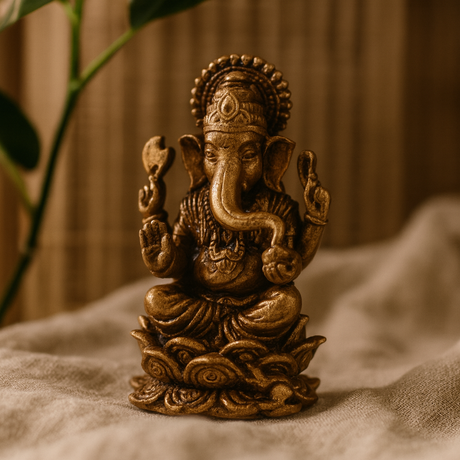
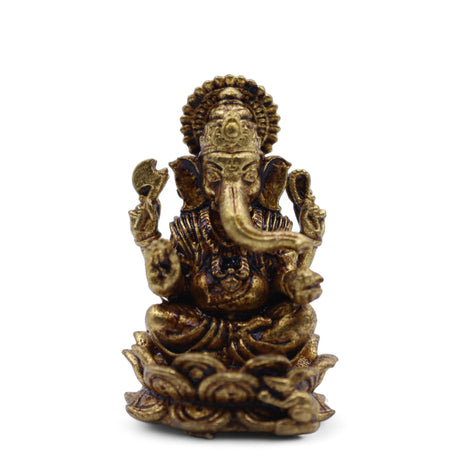
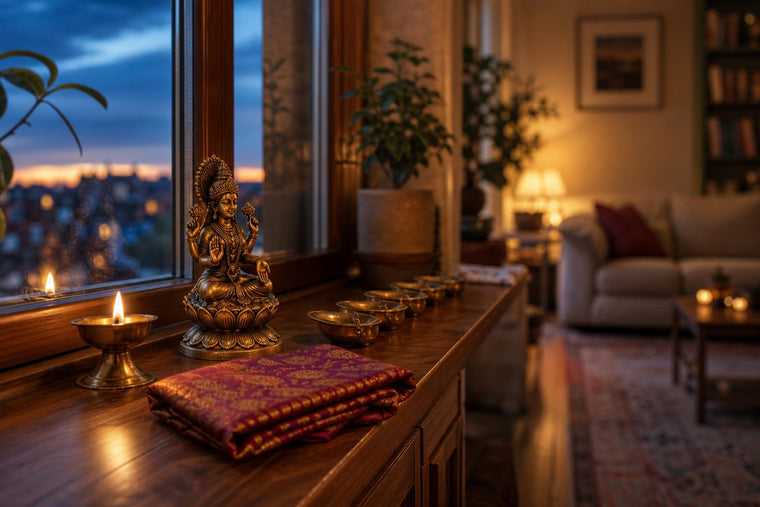
Vishnu ei ole koskaan aivan yksin, ja se on osa hänen merkitystään. Hänen puolisonsa on Lakshmi, jota kutsutaan myös Shriiksi, vaurauteen, runsauteen, onneen ja kauneuteen liittyväksi jumalattareksi. Perinteessä runsaus ei ole erillään vakaasta huolenpidosta; Lakshmin armo seuraa sitä, joka pitää asioista uskollisesti huolta. Vaishnava-perinteessä näitä kahta kunnioitetaan yhdessä, minkä vuoksi toisen kotialttarille tehdään niin usein paikka myös toiselle. Tässä on luonteva paikka Vishnu-patsaalle kotona, hänen rinnallaan, kun Vishnua ja Lakshmia kunnioitetaan yhdessä kotialttarilla.
Hänen ratsunsa, hänen vahanansa, on Garuda, suuri kotka, nopea ja voimakas linnun kaltainen olento, joka kantaa häntä. Siinä missä Lakshmi kertoo vakaan huolenpidon yhteydessä olevasta armosta, Garuda kertoo tahdosta: valmiudesta liikkua nopeasti, kun säilyttäminen sitä vaatii. Yhdessä ne sanovat jotakin yksinkertaista. Huolenpito on suhteissa tapahtuvaa, ei yksinäistä. Hyvän asian vakaana pitämistä harvoin hoidetaan vain yhdellä käsiparilla.
Kymmenen avataraa yhtenä pitkänä huolenpidon tarinana
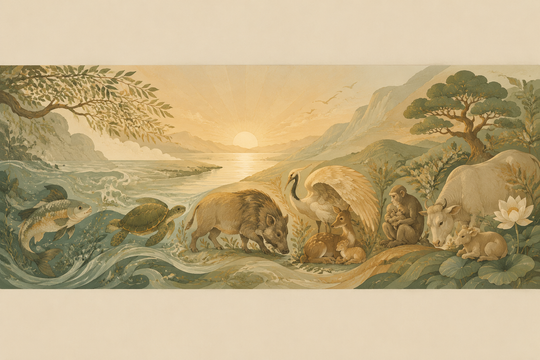
Useimmat tietosanakirjojen artikkelit pelkistävät Vishnun avatarat muistettavaksi luetteloksi. Dashavatara, kymmenen keskeistä laskeutumista, ansaitsee parempaa, sillä järjestyksessä luettuna se ei ole kymmenen irrallista tiedonmurua vaan yksi toistuva liike. Aina kun maailman tasapaino kallistuu kaaokseen, halu palauttaa se ilmaantuu uudelleen, kulloisenkin hetken tarvitsemassa muodossa.
Laajasti käytetty vakioluettelo on seuraava: Matsya, kala, joka kuljettaa elämän siemeniä tulvan läpi. Kurma, kilpikonna, joka vakauttaa valtameren kirnuamisen selässään. Varaha, villisika, joka nostaa hukkuneen maan. Narasimha, ihmislöytö, joka saapuu sinne, minne ei ihminen eikä eläin voisi saapua. Vamana, kääpiö, joka ottaa maailman takaisin kolmella vaatimattomalla askeleella. Parashurama, kirvestä kantava Rama. Ramayanan Rama. Krishna. Buddha. Ja Kalki, vielä odotettu avatara, jonka odotetaan ilmestyvän nykyisen aikakauden päättyessä. On hyvä huomata, että luettelot vaihtelevat perinteittäin; joissakin Buddha korvataan Balaramalla, ja järjestys on yleisesti vakiintunut mutta ei ehdoton.
Huomaa sen muoto. Muoto muuttuu jatkuvasti, mutta sysäys on sama: kun hyvä asia alkaa kallistua, jokin palaa palauttamaan sen kohdalleen. Se on toistuva huolenpidon tarina, ei sankarien nimiluettelo.
Miksi laskeutuminen tapahtuu, kun dharma heikkenee
Ajatus jumalallisesta muodosta, joka syntyy aina tasapainon horjuessa, on yksi Bhagavad Gitan tunnetuimmista teemoista. Sen neljännen luvun yhteydessä lainataan yleisesti säkeitä, joissa sanotaan, että jumalallinen ilmaantuu aikakausi toisensa jälkeen palauttamaan dharman, asioiden oikean järjestyksen. (Kyseessä on kuuluisa pyhien kirjoitusten teema; tarkka sanamuoto vaihtelee käännöksittäin, joten se on parempi esittää mallina kuin lainata vapaasti.)
Hienovaraisesti luettuna tämä ei ole niinkään lupaus ulkopuolelta tulevasta pelastuksesta kuin kuvaus uudistumisesta. Yksi suuri väliintulo ei pidä maailmaa koossa. Sen tekevät toistuvat, arkiset teot, joilla asioita asetetaan kohdalleen ja joihin palataan aina, kun ne ajautuvat sivuun. Kun näet asian näin, kuvio ei ole vain kosminen. Siihen kuuluvat myös pienet korjaukset, joita jokainen meistä tekee päivittäin pitääkseen oman maailmankulmansa oikeassa suunnassa.
Säilyttäminen slow living -harjoituksena
Tässä säilyttäjäjumalasta tulee työkalu eikä hahmo, jota ihaillaan etäältä, ja tässä on hyvä olla rehellinen: mikään esine tai harjoitus ei toimi puolestasi. Harjoitus tarjoaa huomiota ja aikomusta, ei enempää eikä vähempää. Siitä huolimatta käytäntö on yksinkertainen.
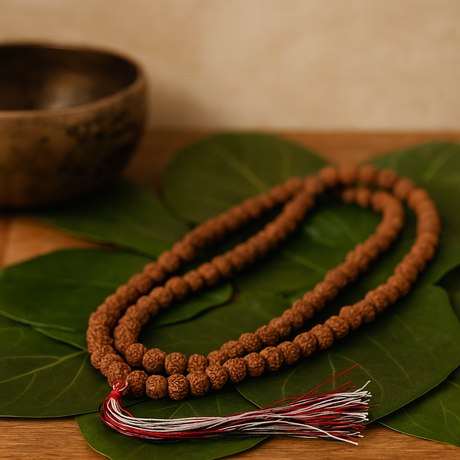
Nimeä yksi asia elämässäsi, joka ansaitsee säilyttämisen. Ei kymmentä asiaa eikä järjestelmää, vaan yksi: ystävyys, joka on hiljaisesti kantanut sinua, työ, johon uskot, tai oma vakautesi aamuisin. Nimeä sitten yksi pieni, toistettava teko, joka pitää sen yllä. Viesti, kävely, suojelemasi varhainen hetki. Säilyttäminen on lopulta sthiti, vakaata pitämistä, ja vakaus rakentuu teoista, jotka ovat niin pieniä, etteivät ne tuskin näytä vaivannäöltä. Harjoituksen tarkoitus ei ole puristaa kovempaa. Tarkoitus on palata luotettavasti samaan pieneen eleeseen. Voit merkitä sen pitämällä hiljaisen hetken aamunkoitteessa ennen päivän hälyn alkua. Mala voi auttaa laskemisessa, jos pidät rytmistä, johon voi asettua, ja lasket malalla 108 Vishnu-mantran toistoa. Piste ei koskaan ole esineessä. Piste on palaamisessa.
Tietoinen koti
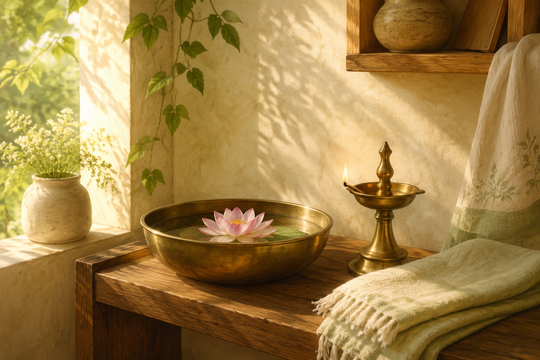
Monille perinne elää yksinkertaisimmin esineissä: Vishnun tai Lakshmin patsaassa, helminauhassa, suitsukkeen tuoksussa tai harkitusti kootussa pienessä alttarissa. Rehellisesti esitettyinä nämä ovat kulttuuriperintöön kuuluvia esineitä ja huomion kiintopisteitä. Ne eivät ole taikakaluja eivätkä muuta terveyttä, onnea tai elämän kulkua; ne ovat muistutuksia pysähtyä ja ankkureita muutaman minuutin hiljaisuudelle. Näin käytettyinä ne ansaitsevat paikkansa.
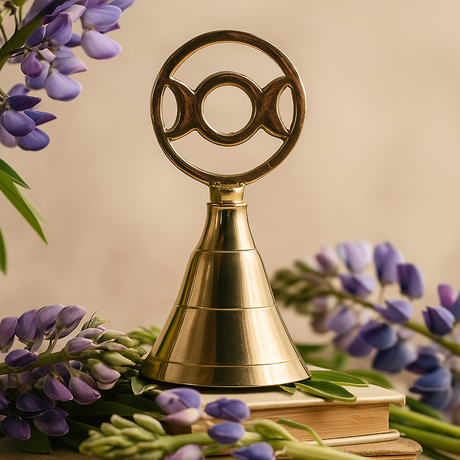
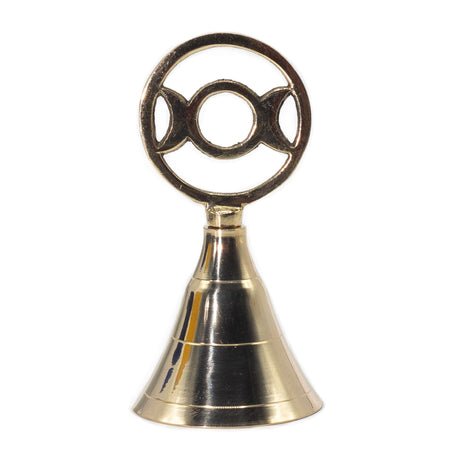
Tulsi eli pyhä basilika on Vishnun palvontaan läheisimmin liittyvä kasvi, jota on perinteisesti käytetty ennen kaikkea hänen kunniakseen, joten se sopii luontevasti Vishnu-aiheisen nurkkauksen tuoksuksi. Sytytä suitsuketikku, jossa on Vishnun palvontaan niin läheisesti liittyvän pyhän basilikan tuoksu, ja anna sen merkitä hetken alkua. Jotkut pitävät kartion hitaasta avautumisesta ja ensimmäisestä savujuovasta, joka kohoaa siitä; kumpikin kaipaa puhdasta, kohotettua paikkaa, jolla levätä, lootuksen muotoinen messinkinen poltin toistaen Vishnun pitelemää kukkaa. Jos savu ei ole sinua varten, yksi aamunkoitteessa sytytetty liekki tekee saman maadoittavan työn. Anna koko asetelmalle puhdas pinta ja rauhallinen nurkkaus lattian sijaan, sijoita patsas hieman koholle ja anna sen merkitä sinulle jotakin. Äänestä pitäville messinkinen äänimalja voi avata harjoituksen luomisen ensimmäisellä äänellä, kaiulla kotilotorven sävelestä, ennen kuin mieli ehtii harhailla.
Paluu makuuasennossa olevaan jumalaan
Palaa lopuksi kuvaan, josta aloitimme. Käärmeen päällä nukkuva Vishnu, maailma hänen päällään ja hän itse levossa, lootus avautumassa hänen navastaan tuoreeksi maailmankaikkeudeksi. Kaikki yleinen säilyttäjäjumalasta tiivistyy tuohon yhteen nimettävään näkymään, samoin opetus. Säilyttäminen ei ole huolestunutta kiinni pitämistä. Se on vakaata kannattelua. Se on tyyneyttä ja vastuuta samassa hengenvedossa: täydellistä huolenpitoa ilman ponnistusta. Mitä omassa elämässäsi onkin säilyttämisen arvoista, pidä siitä kiinni niin kuin hän pitää maailmaa: kasvot rauhallisina ja käsi irti päästämättä.