Arôme
Amber
A warm resinous accord — not a single flower but a blend of labdanum, benzoin and vanilla. Traditional associations: protection, love, the fire at the centre of winter.
The word amber carries a small confusion worth clearing at the start. In perfumery it refers not to fossilised tree resin but to a warm accord — a blend built around labdanum, benzoin, styrax and vanilla, with something ambergris may once have contributed. The confusion is an old one: Arabic anbar originally meant ambergris, the waxy substance sperm whales cast onto shores. Perfumers borrowed the name for their own warmth, and the scent has kept it.
The accord opens resinous and slightly balsamic — sticky, almost — before vanilla and tonka soften the edges. What arrives after five minutes is the thing people mean when they say a scent is warm: round, enveloping, the feeling of a room with the door closed against weather. It is not a loud smell. Amber sits close to the skin and unfolds slowly.
The tradition gives it to winter and evening — the cold months and the hours when the light is gone. In the intention vocabulary it keeps company with protection and love, though the tradition is careful to mean something plain by both: the desire to feel safe, the wish to feel held. It is the scent of the lamp rather than the window.
For practice: light an amber candle at the same hour on difficult days, breathe once before you blow it out, and let the scent mark the boundary between the day's weather and the rest of the evening. The repetition is the practice; the candle is the cue the body recognises.
Below — the catalogue's amber register: essential oils, candles, incense and solid perfumes in the oriental-resinous family.
Achetez Amber
 £0.15 de réduction
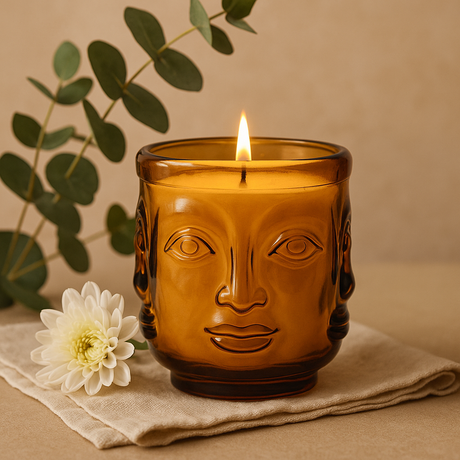
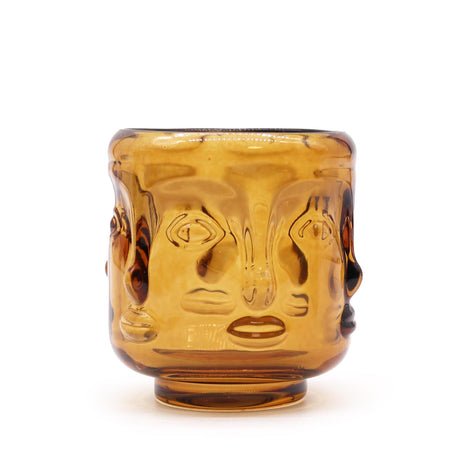
Bougie en Pot Visages de Bouddha Ambre Antique Lot de 2
En stockPrix soldé £1095 Prix régulier £1110Prix unitaire



 £0.86 de réduction
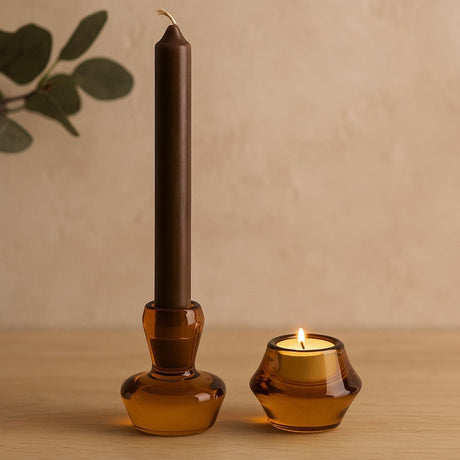
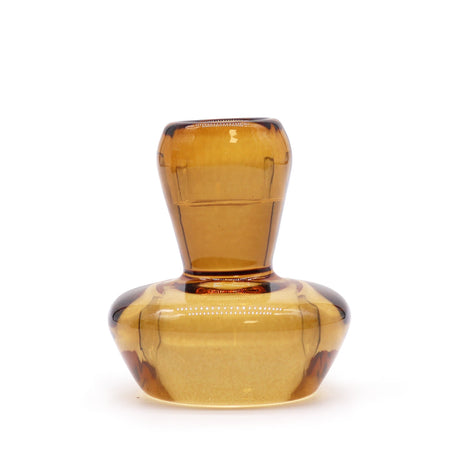
Bougeoirs Dîner et Chauffe-plat Ambre Antique Lot de 2
En stockPrix soldé £1099 Prix régulier £1185Prix unitaire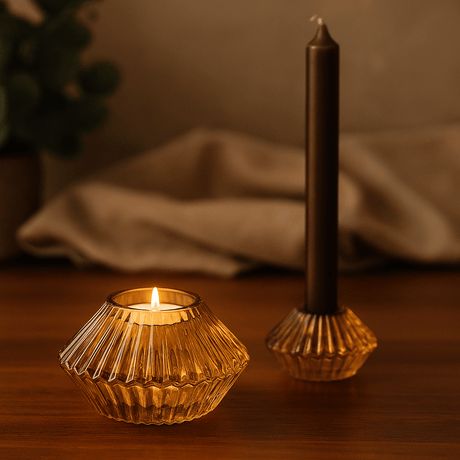


 £1.36 de réduction
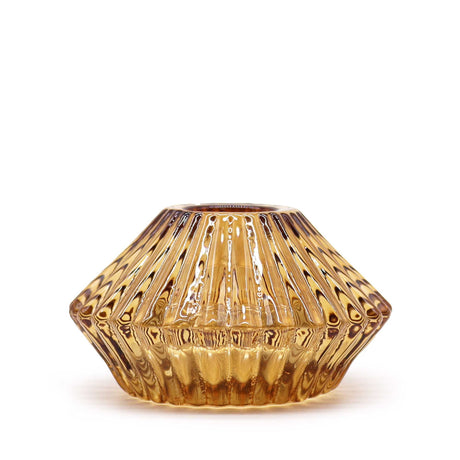
Bougeoirs de Dîner Ambre Antique Lot de 2
En stockPrix soldé £1199 Prix régulier £1335Prix unitaire


 £21.74 de réduction
Cônes d'encens Ambre, 850 pièces Sagesse ancienne
En stockPrix soldé £2995 Prix régulier £5169Prix unitaire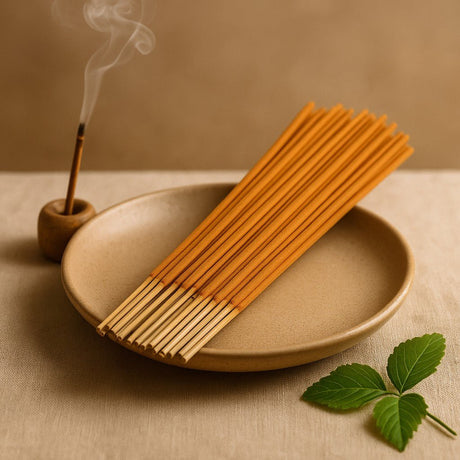
 £7.80 de réduction