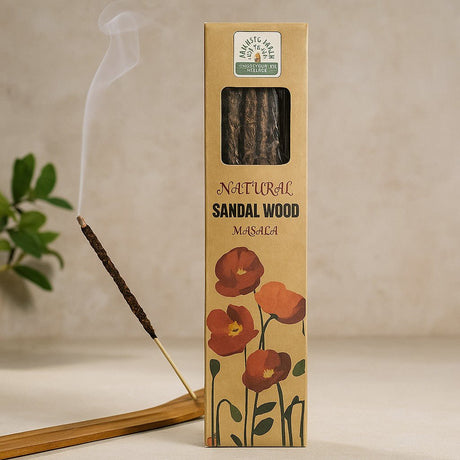
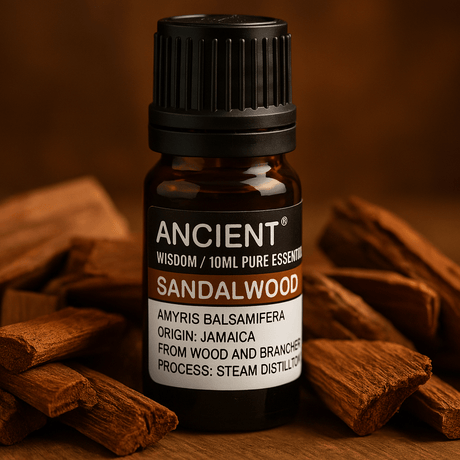
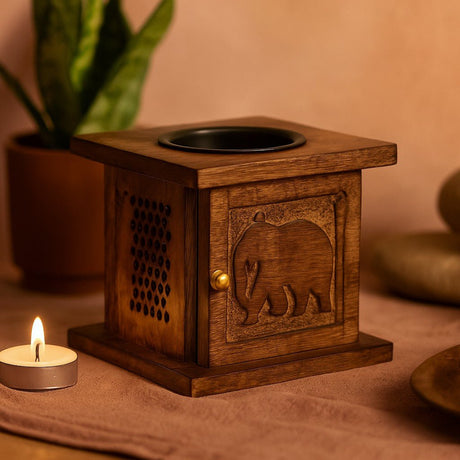
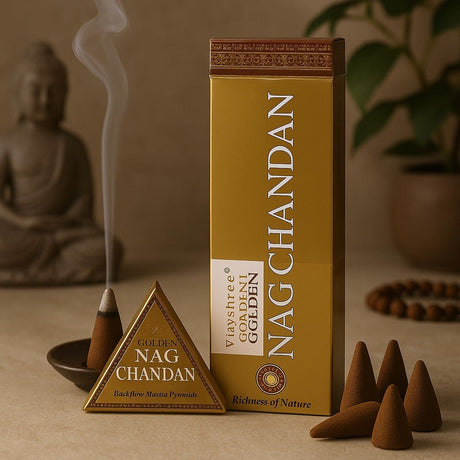
Bir Hint tütsüsü yakın ve odaya koca bir coğrafya gelsin: sandal ağacı ormanları, şafaktan önceki bir yasemin pazarı, dört yüzyıldır çalışan bakır bir imbik. Hindistan'ın aromatik mirası, binlerce yıllık parfümeri, tütsü yapımı ve duyusal zanaatı bünyesinde barındırır; dünyanın büyük bölümünün koku ve yavaş yaşam anlayışını da sessizce şekillendirmiştir. Bu aromatikler, kokudan fazlasını sunar. Farkındalığa, yenilenmeye ve mekânla canlı bir bağ kurmaya giden yollar; yavaşlamak ve nefes almak için bir imkân sunarlar.
Hindistan'ın aromatik mirasının kadim temelleri
Hindistan'ın kokuyla ilişkisi, Ayurveda tıbbına, ruhani uygulamalara ve günlük yaşamın sıradan akışına işlenmiş şekilde binlerce yıl öncesine uzanır. Vedik metinler, ibadette, törenlerde ve beden bakımında kullanılan yüzlerce aromatik maddeden söz eder.
Karnataka ve Tamil Nadu'daki aileler, tütsü sarma tekniklerini nesiller boyunca koruyarak her çubuğu neredeyse başlı başına bir meditasyon gibi görmüştür. Hint aromatikleri, uzun ve özenli bir gelenek olan Gandhayukti'den doğmuştur. Hindistan'ın kadim parfümeri sanatı ve bilimi, kokuları zihin ve ruh hâli üzerindeki etkilerine göre farklı aileler altında sınıflandırmıştır. (Bu gelenekte günümüze ulaşan incelemelerden biri, zanaat üzerine daha sonraki bir yorum olan Gandhavada'dır.) Bu, aromaterapi kelimesi ortaya çıkmadan çok önce, bir kokunun odayı nasıl dönüştürebileceğini ve dikkati nasıl sakinleştirebileceğini anlamanın sofistike bir yoluydu.
Geleneksel Hint tütsüsü yapımı nasıl gelişti?
Geleneksel Hint tütsüsü, doğal reçineler, uçucu yağlar, odun tozları ve botaniklerin sentetik katkı maddeleri olmadan harmanlandığı bir macun olan masala yöntemi ile hazırlanır. Zanaatkârlar, bir çubuğa dengeli ve uzun, eşit bir yanış kazandıran oranları öğrenmek için yıllarını harcar.
İş elle yapılır: Macun bambu çubuğa sarılır, yavaşça kurutulur, ardından kokunun derinleşip oturması için dinlendirilir. Shrinivas Sugandhalaya gibi köklü üreticiler, bu yöntemleri dünya pazarlarına taşıyarak eski zanaatın özünü kaybetmeden yeni ellere ulaşmasının sessiz bir örneğini sunmuştur. Elle sarılmış tütsü koleksiyonumuzun büyük bir bölümü de bu şekilde üretilir.
Duyusal coğrafya: Hindistan'ın aromatik bölgeleri
Hindistan'ın iklimleri kıyılardan dağlara ve çöllere kadar uzanır; her biri kendine özgü aromatik karakterini şekillendirir. Bunun sonucunda, birbirinden çok farklı yerlerde çok farklı kokulara sahip bir ülke ortaya çıkar.
Güneyin kutsal mekânları: sandal ağacı ve kutsal alanlar
Karnataka'nın Mysore bölgesi, tüm sandal ağacı türleri arasında en değerli kabul edilen Santalum album'u yetiştirir. Mysore sandal ağacı kokusunu yavaşça bırakır; ağaçlar, öz odunu hasat edilebilecek olgunluğa erişmeden önce genellikle onlarca yıl, çoğu zaman otuz yıl veya daha fazla bekletilir. Bu sabır, yağın böylesine derin ve kalıcı olmasının nedenlerinden biridir.
Gerçek Mysore sandal ağacı yağı, saatler içinde gelişmeye devam eden hafif ballı bir sıcaklıkla kremsi ve odunsu bir açılış sunar. Tören için taş bir levha üzerinde taze öğütülen sandal ağacı macunu, aynı kokuyu dokunabileceğiniz bir forma taşır.
Kuzeyin nüansları: gül ve ritüel
Uttar Pradesh'teki Kannauj, her şeyden önce geleneksel hidrodistilasyonla elde edilen kokular olan attarlarıyla tanınır ve Hindistan'ın parfüm başkenti unvanını taşır. Gül attarı üretmek için usta parfümcüler, binlerce gül taç yaprağını sandal ağacı yağı bazında damıtır; bu süreç, kusursuz zamanlama ve uzun yıllar eğitim almış bir burun gerektirir.
Şehrin bakır imbikleri, deg ve bhapka, Babür döneminden beri çok az değişen yöntemlerle dört yüz yılı aşkın süredir çalışıyor. Bu süreklilik, attarların zengin, karmaşık ve geleneksel karakterlerine sadık kalmasını sağlıyor.
Doğunun özü: yasemin ve neşeli törenler
Tamil Nadu ve Karnataka'da yetişen yasemin çeşitleri, akşam pazarlarını yoğun bir tatlılıkla doldurur. Jasminum sambac şafaktan önce toplanır; Tamil Nadu'daki toplayıcılar, kokunun en yoğun olduğu saatlerde, çoğu zaman sabah üç civarında işe başlar. Ardından çelenkler hâline getirilir veya yağ üretimine gönderilir.
Yasemin dizmenin ritmi, gece boyunca çalışan çiçek satıcıları için başlı başına sessiz bir uygulamadır. Tamamlanan çelenkler saçları, sunakları ve kapı girişlerini süsler; canlı bir şeyin kokusunu bütün mekâna yayar.
Temel Hint aromatikleri: profiller ve karakter
| Aromatik | Baskın notalar | Geleneksel kullanım alanları | Doku ve his |
|---|---|---|---|
| Sandal ağacı | Odunsu, kremsi, hafif tatlı | Meditasyon, cilt bakımı, tören | Pürüzsüz macun, zengin yağ |
| Yasemin | Çiçeksi, yoğun, tatlı | Parfümler, saç yağları, düğünler | Narin taç yaprakları, yumuşak çelenkler |
| Nag Champa | Topraksı, çiçeksi, reçinemsi | Tütsü, yoga ve meditasyon alanları | Elle sarılmış çubuklar, yoğun duman |
| Vetiver | Topraksı, otsu, serinletici | Serinletici yağlar, yaz hazırlıkları | Lifli kökler, örülmüş hasırlar |
| Zerdeçal | Sıcak, biberimsi, topraksı | Ayurvedik preparatlar, güzellik maskeleri | İnce toz, altın rengi leke |
| Paçuli | Derin, topraksı, sıcak | Tekstil kokulandırma, attarlar, Ayurvedik preparatlar | Yoğun yağ; düşük kaliteli ürün sert bir koku verebilir |
Nag Champa tütsüsünü benzersiz biçimde Hintli yapan nedir?
Nag Champa, dünya çapında Hindistan'ın en tanınmış tütsü karışımıdır; champaka çiçeği sandal ağacı, reçineler ve özel baharat karışımıyla bir araya getirilir. Formülün kökleri, uzun meditasyon boyunca tefekküre elverişli bir atmosferi korumak üzere hazırlanan tapınak tariflerine dayanır.
Kökleri Bangalore üretimine dayanan Satya Sai Baba Nag Champa karışımı, masala yöntemiyle üretilen ve tutarlılığı nedeniyle beğenilen, dünyanın en çok satan tütsüsü olarak kabul edilir. Yurt dışındaki birçok kişi için Hindistan'ın daha geniş aromatik geleneklerine açılan ilk kapıdır.

Ayurvedik aromaterapi: doşalar ve koku seçimi
Ayurvedik çerçevede insanlar üç yapıyla, Vata, Pitta ve Kapha ile anlaşılır; gelenek de her birini belirli koku nitelikleriyle eşleştirir.
Vata (hava ve boşluk) geleneksel olarak sandal ağacı, vanilya ve serinletici vetiver gibi sıcak, tatlı ve topraklayıcı kokularla eşleştirilir. Pitta (ateş ve su), gül, yasemin ve sandal ağacı gibi serinletici, tatlı ve yumuşatıcı kokularla eşleştirilir. Kapha (toprak ve su) ise zencefil, tarçın ve okaliptüs gibi daha canlı, ısıtıcı ve baharatlı notalarla eşleştirilir.
Bu, uyulması gereken bir kuraldan ziyade niyetle seçim yapmanın düşünceli bir yoludur. Bunu, geleneğin bakış açısının size sunulan bir başlangıç çerçevesi olarak düşünün; son sözü kendi burnunuz söylesin.
Aromatik bileşikler bize herhangi bir şey anlatabilir mi?
Bu kokulara karakterini veren şeyin ne olduğuna dair gerçek, ancak çoğu zaman yanlış anlaşılan bir merak var. Sandal ağacı aromatik bileşikleri açısından incelenmiştir ve birçok kişi meditasyon yapmak üzere oturmadan önce kokusunu yalnızca zihni topraklayıcı bulur. Yasemin de Hint geleneğinde canlandırıcı, tatlı aroması nedeniyle uzun zamandır değer görür.
Abartılı iddialarda bulunmaktansa dürüst olmayı tercih ederiz. Bunlar uzun bir kültürel geçmişe sahip aromatik malzemelerdir; tedavi değildir ve dinlenmenin ya da bakımın yerini tutmaz. En iyi şekilde daha geniş bir uygulamanın parçası olarak işe yararlar: farkındalıkla nefes alma, dingin bir ortam, telaşsız bir an.
Dokunsal boyutlar: dokunuş ve dönüşüm
Hindistan'ın aromatik gelenekleri kokunun ötesine, bir ritüelin ellerinizde hissettiğiniz kısmı olan dokunuşa uzanır.
Kutsal macunlar ve tozlar
Kumkuma (vermilyon tozu), vibhuti (kutsal kül) ve chandan (sandal ağacı macunu) kendilerine özgü dokular taşır ve geleneksel olarak kaşların arasındaki ajna noktasına uygulanır. Sandal ağacını ıslak taş üzerinde öğütmek, macunun serinleştiğini hissetmek ve onu özenle uygulamak, sıradan bir hareketi daha bilinçli bir eyleme dönüştürür.
Ubtan gibi nohut ununun zerdeçal, gül suyu ve yağlarla yoğrulmasıyla hazırlanan geleneksel güzellik karışımları, kokunun yanı sıra tanecikli ve arındırıcı bir doku sunar.
Doğal kumaş infüzyonları
Hint tekstilleri kokuyu alır ve bünyesinde tutar; dokunma duyusunun üzerine koku katmanları ekler. Kurutulmuş yasemin veya vetiver kökleriyle birlikte saklanan ipek sariler, vücut sıcaklığıyla yeniden canlanan yumuşak bir koku biriktirir.
Vetiver kökünden dokunan khus perdeleri, en sıcak aylarda bir odayı serinletmek ve kokulandırmak için ıslatılır. Kaba, topraksı dokusu ve yeşil aroması, aynı anda hem pratik hem de keyifli, çok duyulu bir rahatlık yaratır.
Günümüzdeki uygulamalar: yavaş yaşam ve Hint aromatikleri
Modern farkındalık kültürünün içinden geçen yavaş yaşam ruhu, özünde mevcudiyet, ritüel ve dikkate dayanan bu geleneklerle doğal bir uyum içindedir.
SHAMTAM'da bilinçli yaşam nesneleriyle çalışıyoruz ve Hint aromatikleri bunun kalbine dokunuyor. El sarımı tütsülerden oluşan seçkimiz burada; Ayurvedik yağların, doğal reçinelerin ve diğer Hindistan'dan gelen nesnelerin yanında yer alıyor; eski bir kültürel mirasla bugün daha sakin ve daha bilinçli bir yaşam biçimi arasında köprü kuruyor.
Hint aromatikleri farkındalık uygulamasına neden uygundur?
Bu aromatiklerin çok duyulu yapısı, dikkatin yerleşebileceği bir odak noktası sağlar. Tütsü yakmak, meşguliyet ile dinginlik, dış dünya ile iç dünya arasında küçük bir eşik, bir geçiş işareti hâline gelir.
Bu tür duyusal bir dayanak, özellikle başlangıçta, bir uygulamanın devamlılık kazanmasına yardımcı olabilir. Görünür duman, yandıkça değişen koku ve kibrit çakmak gibi küçük, bilinçli eylemlerin her biri, daha sessiz çalışma sürerken zihnin tutunabileceği somut bir nokta sunar.
Geleneksel ve ticari üretim, yan yana
| Etken | Geleneksel Hint yöntemleri | Ticari ölçekte seri üretim |
|---|---|---|
| İçindekiler | Doğal reçineler, uçucu yağlar, odun tozları, bitkisel malzemeler | Sentetik kokular, kimyasal bağlayıcılar, yapay renkler |
| Üretim süresi | Kurutma ve olgunlaştırma dâhil günler ila haftalar | Endüstriyel makinelerle saatler içinde |
| Koku karmaşıklığı | Katmanlı, gelişen, incelikle çeşitlenen | Tek boyutlu, tekdüze, bazen keskin |
| Çevresel ayak izi | Daha sürdürülebilir hasat, biyolojik olarak parçalanabilen malzemeler | Petrol bazlı içerikler, plastik ambalaj |
| Kültürel bağ | Kuşaktan kuşağa aktarılan bilgiyi taşır, zanaatkâr topluluklarını destekler | Köken aldığı geleneklerden kopuk |
| Fiyat | Daha yüksek, işçilik ve doğal malzemeler daha maliyetli | Daha düşük, ölçek ekonomileri sayesinde |
| Bulunabilirlik | Sınırlı, zanaatkâra bağlı | Ticari perakendede yaygın olarak bulunur |
Kokunun ritüel mimarisi
Hindistan'ın aromatik gelenekleri, zamanı ve mekânı duyular etrafında şekillendiren ritüel çerçevelerinin içinde yaşar.
Şafak ve gün batımının dönüm noktaları olan sandhya saatleri, insan ritmini günün kendi ritmiyle uyumlu hâle getirdiği için geleneksel olarak tütsü ve aromatikler için tercih edilir. Tapınak mimarisi, kokuyu anlamakta ne kadar incelikli bir kavrayış olduğunu gösterir: kapalı alanlar dumanı tutarken, özel havalandırma dumanın yavaşça süzülüp dağılmasını sağlar.
Evdeki puja odası bunu küçük ölçekte tekrarlar; sıradan ev yaşamının içinde yer alan küçük bir aromatik sığınaktır. Düzenli tütsü yakmak, odaya zamanla biriken bir koku yerleştirir ve sonunda kokunun kendisi sessizlik ve tefekkür anlamına gelmeye başlar.
Kişisel bir aromatik ritüel oluşturmak
Anlamlı bir uygulama karmaşıklık değil, süreklilik ve özen ister. Sizi gerçekten cezbeden ve o anın nasıl olmasını istediğinize uyan tek bir iyi tütsüyle veya uçucu yağla başlayın.
Bunu belirli bir zamana bağlayın: sabahın ilk dakikalarına, meditasyon yapmak için oturmadan hemen önceye, uyku öncesi gevşeme anına. Zamanla birçok kişi, kokunun sessiz bir işarete, yavaşlama ve yerleşme zamanının geldiğini bildiren tanıdık bir sinyale dönüştüğünü fark eder. İşe yarayan, sahip olduğunuz şeylerin sayısı değil, sürekliliktir.
Sonuç olarak
Hindistan'ın aromatik ve dokusal gelenekleri hoş bir kokudan çok daha fazlasını sunar; farkındalığa, kültürel bağ kurmaya ve şimdiki ana dair daha keskin bir duyguya açılır. Sandal ağacı ormanlarından yasemin kokulu akşamlara uzanan bu gelenekler bizi yavaşlamaya, derin nefes almaya ve ânı olduğu gibi karşılamaya davet eder.
Bu yöntemlerin sanayileşmeye rağmen varlığını sürdürmesi; zanaatin, elden ele aktarılan bilginin ve işleri yavaşça ve özenle yapmanın değerine dair bir şeyler söylüyor. Özgün bir Hint aromatiği seçmek, bu mirası canlı tutmanın ve bunu yaparken kendi günlerinizi zenginleştirmenin küçük bir yoludur.