
Aroma
Hřebíček
The dried bud of a tropical tree, clove has warmed European kitchens since the spice routes opened. Its dense, warm spike suits the year's slow turn.
Nakupujte v Hřebíček
- Esenciální olej z hřebíčkových listů destilovaný parou 50ml 50 ml · Čistý 5.0 (1)£8.20£164.00/lNízký stav zásob






 Peru
Peru


Clove is the dried unopened flower bud of Syzygium aromaticum, a tree in the myrtle family native to the Maluku Islands of Indonesia. The name arrives via French and Latin: clou, meaning nail, which is exactly what the small, dark bud looks like. It has been traded for over two thousand years; Chinese texts from the Han dynasty record envoys requiring fresh breath before addressing the emperor, and they held clove between their teeth. By the medieval spice trade it had crossed to Europe, where it became the smell of winter kitchens and preserved meats.
The scent opens sharp, almost biting: a quick heat on the senses. Within a minute it settles into something warmer, sweeter, almost balsamic beneath the spice. A little goes a long way. It is one of the densest aromatics in the catalogue, and it lingers.
The tradition files clove under autumn and winter, and under afternoon, the hours when the year turns inward, when hearth and store cupboard begin to matter. The moods are Energy and Grounding, which it holds together without contradiction: clove wakes the senses and roots them at the same time. The intention register (Protection, Abundance) reflects a history of using it as a scent of household and harvest, of the door held firm and the larder full.
The practice the tradition offers is plain: light it, name what you are building or holding steady, and let the scent carry the note forward through the afternoon.
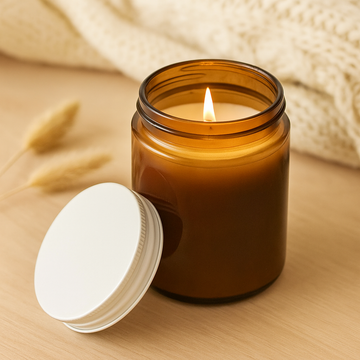
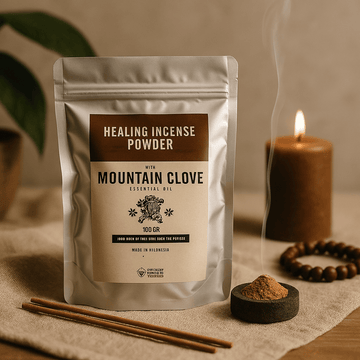
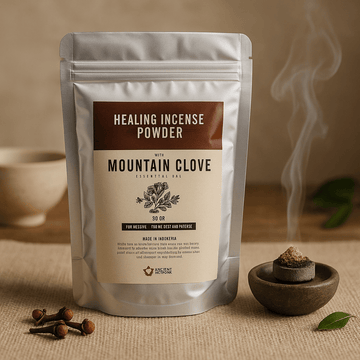
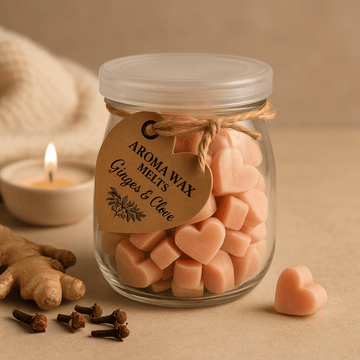
Below: the catalogue's clove line: absolute oil, candles, incense, and blends in the autumn-winter register.