Doprava zdarma od £33 · odesíláno z Velké Británie · včetně daní

Aroma

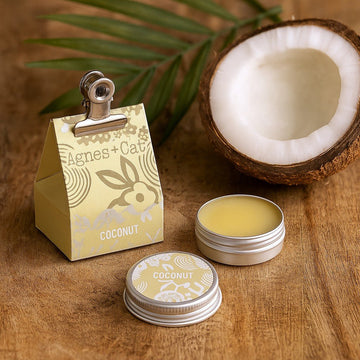
Coconut

Coconut opens warm and sweet with a hint of the tropics: the classic afternoon-of-holiday scent. Associated with calm and joy, summer and ease.

Rodina vůníGourmand
Nejlepší roční obdobíSummer
Denní dobaAfternoon

Nakupujte v Coconut

36 produktů

Coconut oil comes from the kernel of the coconut palm, Cocos nucifera, one of the most useful trees in the tropical world. Every part of it has been used for centuries across Southeast Asia, the Pacific and the Indian Ocean islands: food, fuel, fibre, medicine, building material. The oil is extracted through pressing, and what reaches the skin or the diffuser is a warm, sweet, slightly nutty character.

The opening is creamy and almost buttery. Underneath sits a faint toasted note, like coconut flesh just beginning to brown in sun. The dry down is soft. It lingers without announcement, the way a scent does when you step into a room someone has just left. Coconut registers as distinctly warm rather than cool. It is the smell of afternoon rather than morning, of a door left open to a garden rather than a room freshly cleaned.

The tradition files it firmly under summer. In the mood vocabulary it belongs with Calm and Joy, though Joy is the more natural reading, coconut is not a scent for the difficult day but for the one already going well. It is the kind of afternoon you want to stretch.

The practice: set an intention in plain words (rest, gentleness, a slower afternoon) and let the scent mark it. A coconut candle lit at the same hour each summer afternoon begins to carry the message before you consciously do.

Below: the warm end of the catalogue: coconut candles, oil, body products and home fragrances.

Rezonuje s

Nálady

Úmysly

Často kladené otázky

What is coconut essential oil for?

Coconut oil is traditionally used in ritual and mood work to mark a gentler pace, often lit as a candle or worn as a scent when you want to hold an intention of rest, joy or summer ease. In the wider world it is also a carrier oil for diluting essential oils and a base in natural cosmetics.

What essential oils are good to mix with coconut oil?

Coconut oil acts as a carrier, so most essential oils blend well with it: ylang ylang and jasmine deepen the sweetness, sandalwood and cedarwood add warmth, and citrus oils like sweet orange lift it toward brightness. Start with one or two drops of essential oil per teaspoon of coconut and adjust to taste.

Can I use coconut oil on my face?

You can, though it is comedogenic, meaning it may block pores, so those prone to spots often reach for jojoba or rosehip instead. Coconut oil is rich and occlusive, so a little goes a long way, and it suits drier skin types more naturally than oily ones.

What are the downsides of using coconut oil on my face?

The main caution is comedogenicity, coconut oil can block pores and encourage breakouts, particularly on combination or acne-prone skin. It also sits heavily, so if your skin runs oily or you live somewhere humid, lighter oils like argan or grapeseed may feel more comfortable and absorb more cleanly.

Which is better for my skin, olive oil or coconut oil?

Neither is universally better. It depends on your skin. Coconut is richer and more occlusive, so it suits very dry skin; olive is lighter, less comedogenic and often better tolerated by sensitive or breakout-prone types. Both are traditional bases, so the choice comes down to texture preference and how your skin responds.