Envio grátis acima de £33 · enviado do Reino Unido · impostos incluídos

Explorar › Símbolos e altar

Olho grego

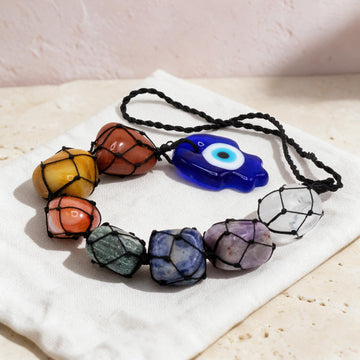
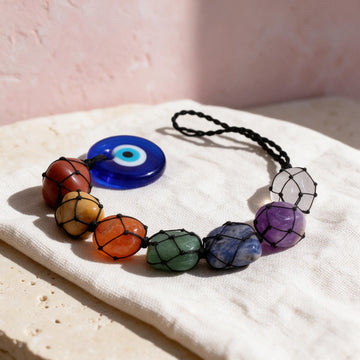
O mau-olhado é uma crença antiga de que um olhar invejoso pode trazer mal. A conta azul em forma de olho, chamada nazar na Turquia e mati na Grécia, é o amuleto feito para enfrentar esse olhar e devolvê-lo. Mantém-se da Grécia e da Turquia ao Médio Oriente e ao Sul da Ásia, pendurada junto às portas e usada no pulso.

Crença
um olhar invejoso pode trazer mal
Nome na Turquia
nazar, do árabe para visão
Pendurado tradicionalmente
junto à porta de entrada, virado para fora
Olho grego

Comprar Olho grego

2 produtos

What it means

The belief is about envy. Praise given with a jealous heart, people say, can bring bad luck to a child, a home or a new venture. The eye charm looks straight back: it is meant to catch that glance before it lands.

Where it comes from

Belief in the evil eye is very old and very wide. It was known in ancient Greece and Rome and runs through Jewish, Islamic, Hindu and Buddhist folk tradition. The blue glass bead belongs above all to the eastern Mediterranean: in Turkey glassmakers still make the nazar boncuğu by hand, and in Greece it is simply the mati, the eye.

In Greece, when someone is thought to have caught the eye, an older relative may say a quiet prayer over them, a custom called xematiasma. In southern Italy the same fear of envy is the malocchio, and grandmothers still read it in drops of oil on water.

How people use it

A nazar is hung by the front door or in the car, hung above a baby's cot, given to someone opening a shop, or worn on a bracelet. Tradition says that when a bead cracks it has done its work, and it is replaced with a new one.

In Turkey a bead is pinned to a newborn's clothes or set into the wall of a new house, and in Greece guests at a christening are often given small pins carrying the mati.

Choosing one

Glass beads are the classic form; bracelets and pendants carry the same eye at a smaller size. A small eye on a key ring goes everywhere with you without being noticed. Keep glass away from hard floors, and wipe it with a dry cloth.

Perguntas frequentes

O que significa o símbolo do mau-olhado?

É um amuleto contra a inveja. A tradição diz que o olho pintado apanha um olhar ciumento e desvia-o de quem o usa ou da casa.

O que significa quando uma pulseira de mau-olhado parte?

A tradição popular diz que a conta absorveu um mau olhar e cumpriu a sua missão. Agradece-se-lhe, deixa-se ir e usa-se uma nova.

Posso comprar um mau-olhado para mim?

Sim. Muitas vezes é oferecido como presente, mas não há regra nenhuma contra escolheres o teu.

Onde devo pendurar um mau-olhado em casa?

Junto à porta de entrada é o sítio clássico, virado para fora, na direção de quem chega. Muitas pessoas penduram também um no carro ou perto do berço de um bebé.