V mnoha domácnostech stojí na poličce figurka a většinou nikdo v domě přesně neví, jak se tam ocitla. Klidná tvář, tělo se zkříženýma nohama, obě ruce spočívající otevřeně v klíně, dárek, nález z trhu, něco, co si člověk před lety přivezl z cesty. A přesto v sobě nese příběh starý téměř dva a půl tisíce let, vtisknutý do tichého postoje jejích rukou. Tento text začíná u jediného obrazu nehybnosti, u sedící postavy s rukama v klidu, ne jako u pravidelníku, který určuje, kam musí patřit, ale jako u pozvání všimnout si tichého hosta, kterého jste si už usadili doma.
Postava, kterou už většina z nás vlastní
Vzpomeňte si na sošku Buddhy, kterou vídáte nejčastěji - na příborníku u přátel, na nádvoří hotelu nebo na poličce v obchodě. Téměř vždy jde o sedící postavu, klidnou a uzavřenou do sebe, přičemž význam spočívá v rukou. Pozice, ke které se tento článek stále vrací, je nejběžnější a zároveň nejtišeji výmluvná ze všech: obě ruce spočívají otevřeně v klíně, jedna lehce vložená do druhé, tělo usazené v poklidném sedu. Je to gesto meditace, prostého sezení. Mnohé domácnosti tuto postavu mají, aniž by jim kdy někdo vyprávěl příběh, který se v její nehybnosti ukrývá.
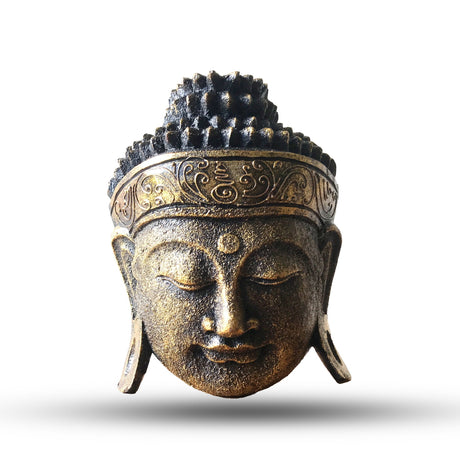
Začít je třeba u samotného slova. Buddha pochází ze sanskrtského a páli kořene budh, probudit se, porozumět, a jde o přízvisko znamenající „probuzený“, nikoli o osobní jméno. Historickou postavou, která se za tímto označením skrývá, je Siddhártha Gautama z rodu Šákjů, učitel, který žil a působil v povodí Gangy ve starověké Indii, na území dnešního Biháru a východního Uttarpradéše. Jeho životní data se v tradiční théravádové chronologii nejčastěji uvádějí přibližně jako 563-483 př. n. l., zatímco moderní odborné odhady hovoří asi o letech 480-400 př. n. l.; přesné roky zůstávají předmětem debat a poctivější je vnímat je jako rozmezí než je připnout k jedinému datu. Postava, ke které soška odkazuje, byla lidským učitelem, nikoli bohem, a obraz sedícího Buddhy s rukama v klidu, který představuje jeho nejběžnější podobu, je záznamem určitého způsobu bytí: praktikování dostatečně dlouhého setrvání v klidu, aby člověk procitl. Pokud začínáte uvažovat o tom, že si jednu z těchto postav pořídíte domů, nebo se jen snažíte porozumět té, která už doma je, sedící meditační podoba je přirozeným začátkem, tyrkysově zlatý Buddha v meditační pozici tuto tichou polohu zachycuje s rukama spočívajícíma v klíně.
Co znamenají gesta rukou (mudry)

Ruce jsou gramatikou těchto postav. Každé pojmenované gesto, každá mudra, ukazuje k jiné kvalitě, a jakmile se jich pár naučíte číst, Buddha na poličce přestane být obecný a začne říkat něco konkrétního.
Nejběžnější gesto, které drží většina sošek, je dhjána mudra: obě ruce spočívají v klíně, dlaně směřují vzhůru a jedna ruka je jemně vložená do druhé. Je to gesto meditace: soustředění, stažení pozornosti dovnitř, zklidnění neklidné mysli do jediného místa. To je pozice meditačního Buddhy a najdete ji také u klidnějších materiálů, například u mosazného sedícího Buddhy v meditaci, jehož podoba se hodí na nízký oltář a snadno se uplatní vedle tibetské mísy.
Stojí za to znát i několik dalších podob, z nichž každá má svou vlastní postavu:
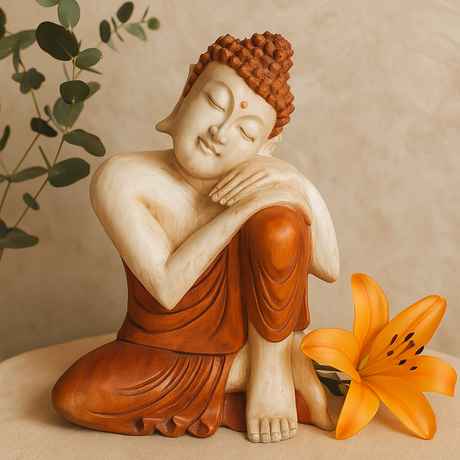
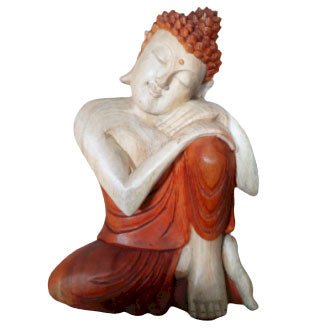
- Přemýšlivá pozice, ruka lehce opřená o tvář a tělo nakloněné v rozjímání. Je to postoj zamyšlení a pomalého obracení něčeho v mysli. Ručně vyřezávaný Buddha z teakového dřeva v přemýšlivé pozici vnese tuto náladu na pracovní stůl nebo do čtecího koutku.
- Učící pozice, dharmčakra nebo vitarka mudra, ruce zvednuté u hrudi, palec a ukazovák lehce spojené, jako by roztáčely kolo. Připomíná „uvedení kola dharmy do pohybu“, první učení v Jelením parku v Sárnáthu poblíž Váránasí. Vyřezávaný Buddha v učící pozici se hodí do pracovny nebo na místo, kde se sdílejí myšlenky.
- Uvítání neboli nebojácnost, abhaja mudra, pravá ruka zvednutá s dlaní obrácenou ven. „Neboj se“: ujištění, otevřenost, ruka pozvednutá na pozdrav. Bělený čtyřiceticentimetrový Buddha na uvítanou v sobě nese klid otevřené dlaně a dobře se hodí poblíž vchodu.
- Gesto dávání, varada mudra, dlaň obrácená dolů a prsty natažené. Hovoří o soucitu a darování. Větší tyrkysově zlatý Buddha ve varada mudře zachycuje tuto půvabnou otevřenost ruky obrácené dolů.
- Ležící postava, ležící na pravém boku, maháparinirvána, Buddhův poslední odchod v Kušinagaru. Je rozjímavější než sedící podoby; malý mosazný ležící Buddha se hodí do odpočinkového koutku nebo k posteli.
Nic z toho není klíč k zámku. Jsou to názvy kvalit, které můžete chtít mít nablízku: nehybnost, rozjímání, nebojácnost, ochota sdílet, otevřená ruka. Postava, která dosud byla jen „Buddhou na poličce“, se stává tichým vyjádřením toho, kterou z těchto kvalit si místnost žádá. Stojí také za to vědět, že během prvních několika staletí buddhistické umění Buddhu vůbec nezobrazovalo v lidské podobě. Nejstarší antropomorfní obrazy se objevily přibližně v 1. století n. l. a vznikaly nezávisle na sobě v gandhárské škole na území dnešního Pákistánu a Afghánistánu a v mathurské škole v severní Indii. Předtím byla tradice převážně anikonická: Buddha byl znázorňován prostřednictvím symbolů, jako je strom bodhi, kolo, otisk chodidla nebo prázdný trůn. Mezi soškami a oltářními dekoracemi lze tuto starší symbolickou váhu stále cítit v klidu řezby.
Noc pod stromem bodhi
Siddhártha Gautama strávil roky hledáním: nejprve žil chráněným životem prince, poté strohým životem putujícího askety a nakonec dorazil do Bodh Gáji v dnešním Biháru. Posadil se pod strom bodhi a rozhodl se, že nevstane, dokud nenajde to, co hledá. Tímto stromem je Ficus religiosa, posvátný fíkovník, v hindštině známý jako pípal, stejný druh stromu, který dodnes roste v Bodh Gáji a který podle tradice a následného přesazování pochází z toho, pod nímž mělo dojít k probuzení. Chrám Mahábódhi, který tam dnes stojí, je zapsán na seznamu světového dědictví UNESCO a patří k nejnavštěvovanějším poutním místům buddhistického světa.
Posadil se do vadžra pozice, pevného sedu se zkříženýma nohama, kterému se často říká lotosová pozice. Součástí významu je i samotný postoj: nehybné místo. Zůstat. A potom podle příběhu přišel Mára, postava, která se té noci objevuje, aby Buddhu odrazovala a pokoušela - ne démon v západním smyslu, ale zosobnění pochybností, strachu, rozptýlení a smrti. Jinými slovy vše, co přichází právě ve chvíli, kdy se člověk chystá zůstat.
A Siddhárthova odpověď není argument. Je to gesto. V jediném okamžiku spustí pravou ruku dolů a dotkne se země, aby ji přivolal jako svědka zásluh, které mu vynesly právo být přesně tam, kde je - gesto, kterému tradice říká bhúmisparša, země jako svědek. Země podle příběhu dosvědčila jeho právo. Samotné gesto však trvalo jen okamžik; nocí ho provedlo sezení. Zůstal, usazený, s rukama v klidu, dýchal až do rána, kdy podle tradice přišlo probuzení s úplňkem během Vesaku, květnového nebo červnového svátku slaveného v zemích théravády, který připomíná Buddhovo narození, probuzení i poslední odchod v jediný den. To je jádrem sedící postavy: ne jediný dramatický okamžik, ale dlouhé, tiché setrvání na místě. Zůstat v klidu, když všechno říká, že se máme pohnout.
Kam umístit sošku Buddhy doma

Právě tady většina článků na toto téma sáhne po seznamu pravidel: otočit na východ, nikdy ne směrem ke dveřím, umístit nad úroveň očí. S postavou zacházejí jako s amuletem, který je třeba uklidnit správným umístěním, jako by soška byla malým kouskem počasí, který se může pokazit, když ji natočíte špatným směrem. Svěžejší otázka, která lépe zapadá do pomalého způsobu života doma, je osobní, nikoli založená na kompasu. Na kterém místě svého domova nejvíc potřebujete, aby vás někdo pozval posadit se?
Pomyslete na místo, kde se váš den nejvíce třepí: na chodbu, kterou proběhnete, aniž byste doopravdy dorazili, na kuchyň, kde ráno začíná v rozmazaném shonu, nebo na kout u okna, kolem kterého jste prošli snad tisíckrát, ale nikdy si tam nesedli. Každé z těchto míst je prostorem, kde by klidná sedící přítomnost udělala přesně to, co meditační postava popisuje: jednoduše by seděla a tím, že sedí, by pozvala k usednutí i vás. Umístění se stává malým autoportrétem: ne tím, kam by Buddha měl patřit, ale kam chodíte vy a kde by vás tichý host umístěný na tomto místě mohl zastihnout při odcházení od sebe samých. Na stěnách takového koutku pomohou nástěnné dekorace pro klidný kout udržet prostor nepřeplněný a promyšlený.
Tradiční doporučení nejsou špatná, jsou součástí dědictví. Zvyklosti, které v buddhistických domácnostech skutečně existují, stojí za to znát a ctít jako živou praxi skutečných tradic, nikoli jako pravidla, která budou „fungovat“, pokud je dodržíte.
Několik upřímných poznámek z tradic
Napříč buddhistickým světem dostává obraz čisté a vyvýšené místo a nezachází se s ním jako s běžným kusem nábytku. Tradičně stojí na poličce nebo oltáři, nikdy přímo na podlaze ani v koupelně či čelem ke koupelně. Pokud je to možné, bývá umístěn nad úrovní očí, aby k němu člověk vzhlížel, nikoli se na něj díval zpříma, a tradičně směřuje na východ, k vycházejícímu slunci a směrem, kterým Buddha hleděl, když usedl k probuzení.
Podoby této úcty se liší podle místa. V théravádových domácnostech na Srí Lance, v Thajsku, Myanmaru, Laosu a Kambodži je běžná vysoká polička nebo samostatná svatyně s obětinami světla (svíčka nebo olejová lampa), květin (často lotosů), vody a vonných tyčinek. V mahájánových domácnostech východní Asie, v čínských, vietnamských, korejských a japonských, domácí oltář uchovává obraz s vonnými tyčinkami, obětními kalíšky a často také tabulkami předků; v japonské tradici se tomuto oltáři říká butsudan. V tibetských a vadžrajánových domácnostech stojí obraz na svatyni se sedmi tradičními obětními miskami: voda k pití, voda k omytí, květiny, vonné látky, světlo, parfém a jídlo, někdy doplněné osmou miskou pro zvuk či hudbu.
Lotos, padma, se ve všech těchto tradicích opakuje jako symbol probuzení - květina, která vyrůstá z kalné vody a rozvíjí se čistá. Proto bývá tak často pokládána jako obětina před obraz a proto má tolik sedících Buddhů podstavec ve tvaru lotosového trůnu.
Jak kolem postavy vytvořit jednoduchý oltář

Jakmile má postava své místo, malá kompozice kolem ní promění poličku se soškou v něco, čím může den skutečně procházet. Buddhistická tradice vnímá obraz jako předmět úcty a připomínání, buddhánusmrti, podnět k navracení mysli ke kvalitám, které Buddha ztělesňuje: klidu, bdělosti a soucitu. Postava funguje společně s vaší pozorností. Sama o sobě nefunguje nikdy.
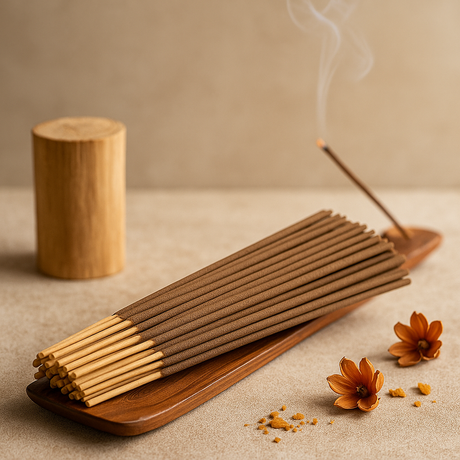
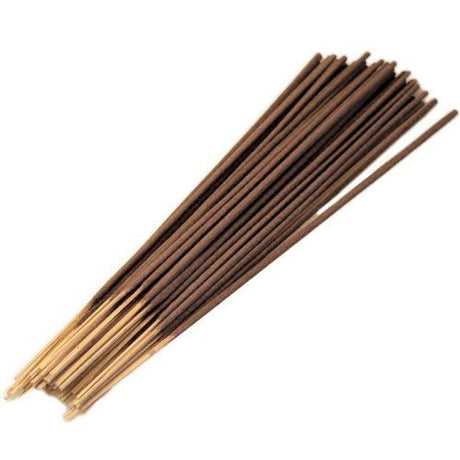
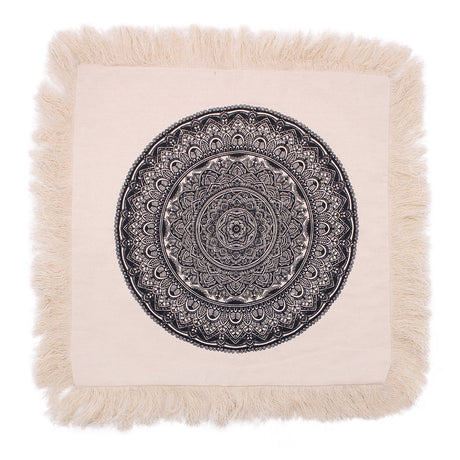
Jednoduché uspořádání vyžaduje jen velmi málo: čistou látku jako podklad, plamen, vůni, případně jedinou květinu a misku vody. Světlo je nejstarší obětinou. Jediná svíčka zapálená na začátku dne označí okamžik jako vyčleněný; pro měkčí večerní světlo udrží teplé, tlumené světlo ze solné lampy koutek jemně rozzářený. Vůně je druhou polovinou podnětu: vonná tyčinka zapálená pouze tehdy, když se posadíte, se sama stává signálem - stejná vůně pokaždé učí mysl, kam směřuje. Oltářní textilie v klidné barvě dodá uspořádání základ, tibetská mísa nabídne čistý tón pro začátek a konec sezení a meditační polštář promění místo, kolem kterého jste dosud procházeli, v místo, na které si můžete skutečně sednout. Rituální pomůcky pro domácí oltář dotvoří uspořádání ručně vyráběnými předměty, které promění poličku v místo, na které si den vzpomene.
Malá každodenní praxe u postavy
Nemusíte být buddhisté. Potřebujete jen postavu, plamen a ochotu zastavit se vedle ní. Každé ráno nebo kdykoli kolem ní procházíte:
- Zapalte plamen nebo vonnou tyčinku. Zápalka, vzplanutí, ustálení knotu. Ať je to první vědomá věc, kterou na tomto místě uděláte.
- Seďte po dobu jednoho nádechu. Jeden pomalý nádech a jeden pomalý výdech vedle postavy. Sedící Buddha s rukama v klidu vám připomíná: posaďte se na tento jediný nádech, když den říká, že se máte pohnout.
- Určete jednu věc, u které dnes chcete zůstat pevní. Ne cíl ani úkol. Kvalitu. Trpělivost s dítětem. Pozornost věnovanou práci. Laskavost k sobě, když odpoledne začíná být náročné. V duchu ji pojmenujte a nechte postavu, aby ji držela vedle vás.
Postava nezpůsobí, že se dostaví stabilita - to uděláte vy tím, že se zastavíte. Soška je podnět; dech a pojmenování jsou praxe. Schopnost jednat zůstává ve vašich rukou. Pokud vám více vyhovuje večerní zastavení, stejné tři kroky fungují obráceně: zapalte plamen, jednou se nadechněte a pojmenujte jednu věc, kterou chcete z právě uplynulého dne odložit.
Návrat na své místo
A tak končíme tam, kde jsme začali: u tiché sedící postavy, s oběma rukama v klidu v klíně a tělem usazeným v nehybném sedu. Postava na poličce. Příběh starý téměř dva a půl tisíce let, vtisknutý do klidného postoje jejích rukou. Člověk, který seděl pod posvátným fíkovníkem v Bodh Gáji a když všechno říkalo, aby vstal, zůstal na místě, dýchal a setrval v klidu, dokud nepřišlo ráno.
Postava u vás doma od vás nežádá nic víc. Žádný správný směr podle kompasu, žádný seznam pravidel pro umístění, žádnou víru. Jen toto: až kolem ní projdete, nechte se u ní zastavit na délku jednoho nádechu. Nechte ji připomenout vám místo ve vašem dni, kde si nejvíc potřebujete sednout a zůstat. Nechte ji označit ten malý, obyčejný fakt, že jste se znovu vrátili ke stejné poličce, ke stejnému plameni, ke stejnému jedinému nádechu. To je celý význam sedící postavy. Je to gesto nehybnosti a návratu na své místo.