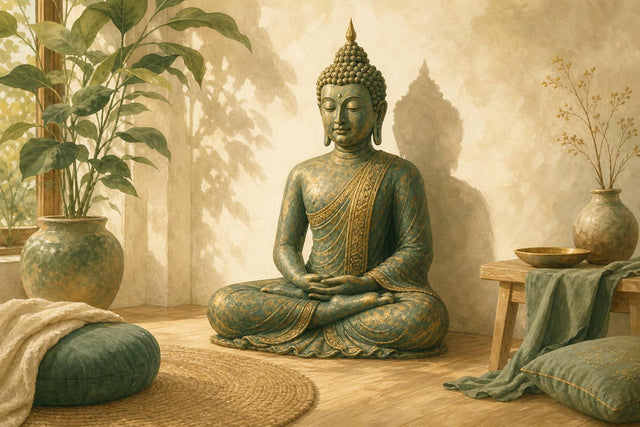
Buddha
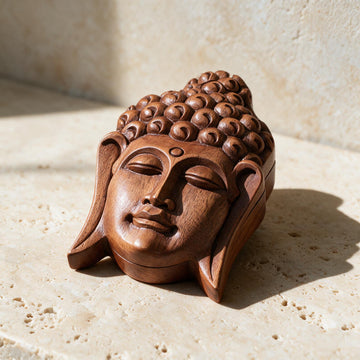
Soška Buddhy zobrazuje Siddhárthu Gautamu, učitele, který žil v severní Indii kolem pátého století př. n. l. a jehož učení se stalo buddhismem. Každé postavení a každé gesto rukou připomíná okamžik z jeho života: meditaci, vyučování, noc jeho probuzení. Pro buddhisty je soška předmětem úcty a připomínkou cesty, kterou ukázal.
- Tradice
- Buddhismus, ze severní Indie
- První sošky
- kolem 1. století n. l.
- Tradiční umístění
- vyvýšené a čisté, nikdy na podlaze

V knihovně
Vůně

Jako dárek

Nakupujte v Buddha
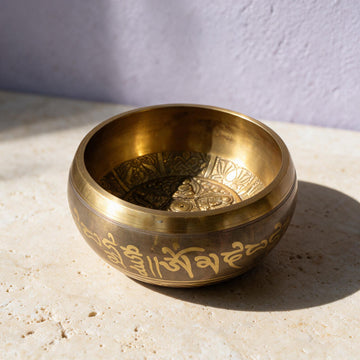
- Zpívající mísa Pět Buddhových 11 cm · 630 g · Mosaz 4,4 (7)£39.99Členové: +£2.50 zpětNízký stav zásob
- Zpívající mísa zemní prášková hlína Om Buddha 16 cm 16 cm · 770 g · Hliník £48.95Členové: +£3.15 zpětNízký stav zásob




Často kladené otázky
Je neuctivé mít sošku Buddhy, když nejsem buddhista?
Většina buddhistických učitelů to vítá, pokud je soška uložena s úctou: vyvýšeně, čistě a mimo podlahu a koupelnu. Nepoužívejte ji jako zarážku dveří, podstavec lampy ani zahradní vtip.
Kterým směrem má být soška Buddhy otočená?
Zvyky se zemi od země liší. Častou volbou je čelem do místnosti nebo k hlavním dveřím, ve výši očí nebo výš, když sedíte. Čisté a klidné místo je důležitější než směr.
Co znamená ležící Buddha?
Ukazuje Buddhu na konci života, ležícího na pravém boku, když vstupoval do konečné nirvány. V buddhistickém umění je to poklidný obraz završení, nikoli smutný.
Je smějící se Buddha totéž co Buddha?
Ne. Smějící se postava je Budai, čínský mnich z lidového podání, později spojovaný s Maitrejou, Buddhou budoucnosti. Siddhártha Gautama bývá zobrazován štíhlý a klidný.