
Záměr
Calm
The catalogue's quiet shelf — stones, scents and slow objects that tradition gathers around the work of settling down.
Calm, the tradition reminds us, is a practice more than a possession — possibly the least optional one this century. Like every practice it is built from three quiet materials: repetition, environment and cues.
This page is about the cues.
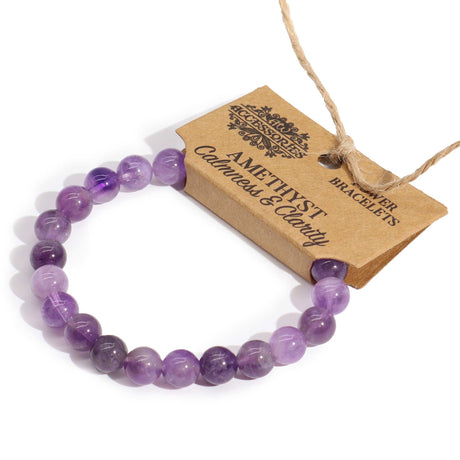
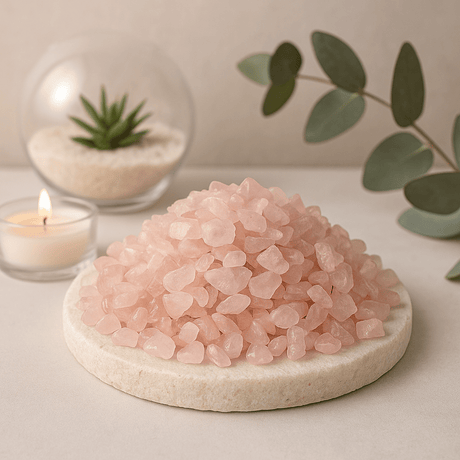
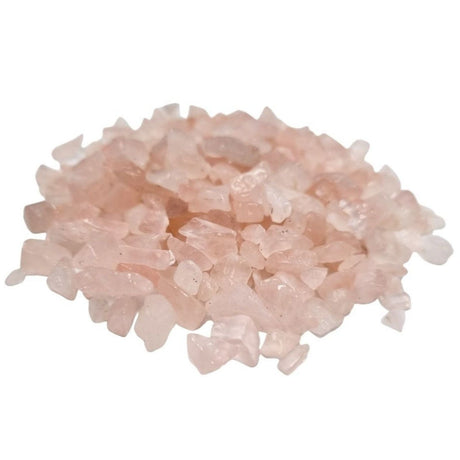
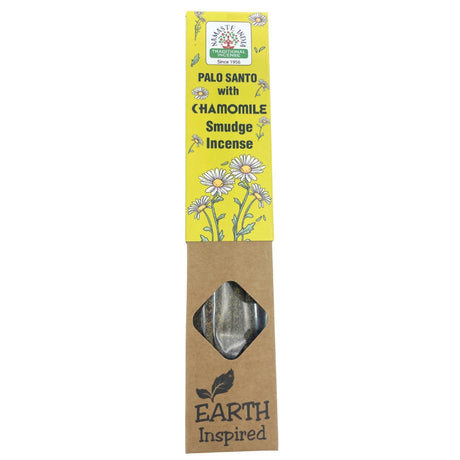
Tradition has spent millennia gathering objects around the work of settling down, and the collection below is our catalogue's contribution. The stones: amethyst on the bedside table, rose quartz at the desk, howlite and lepidolite for the pocket. The scents: lavender before sleep, chamomile after difficult phone calls, sandalwood for the evenings that need slowing rather than ending.
These objects work alongside your practice, and the way to begin is simple: choose one, give it an intention in plain words, and let it mark territory. A candle lit at the same hour each evening tells the body the day is changing gear. A stone kept on the desk is a physical bookmark for an intention that would otherwise dissolve by ten o'clock. Ritual, at its plainest, is memory with props.
Start smaller than feels worthwhile. One scent, one stone, one repeated minute. Calm built this way is unglamorous and slow — and it stays.
Below: the quiet shelf. Stones the tradition links with stillness, aromas in the evening register, and objects whose only feature is that they ask nothing of you.
Rezonuje s
Kameny
Vůně
Často kladené otázky
What is the most calming crystal?
Which crystals can help calm anxiety?
What crystal stops overthinking?
What crystal should not be in the bedroom?
What two crystals cannot be together?
Nakupujte v Calm




Sada vonných tyčinek, santalové dřevo a cikánské vůně Banjara
SklademBěžná cena £295Jednotková cena



 £11.91 sleva






 £4.79 sleva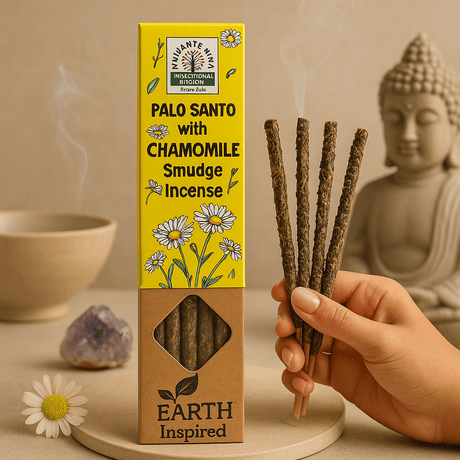


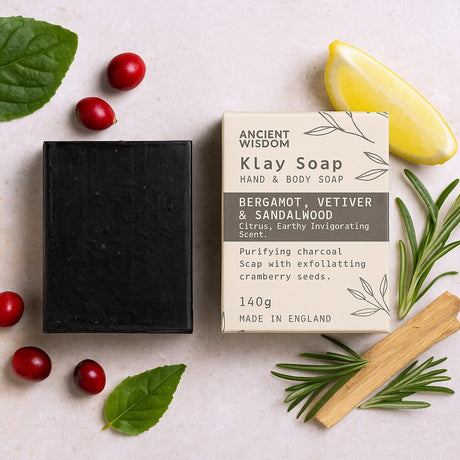
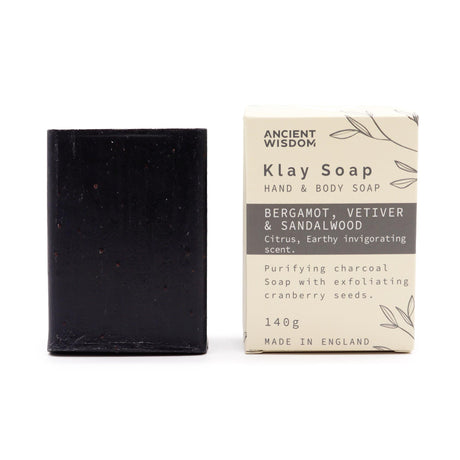


Mýdlová tyčinka s aktivním uhlím, bergamot santalové dřevo exfoliační 140 g
Nízký stav zásobBěžná cena £795Jednotková cena


