
Element
Earth
The oldest of the classical elements: its colour brown, its season late autumn, its tradition the feeling of both feet on solid ground.
Winkel bij Earth
 India
India
 China
China





Earth may be the oldest word in the language. Old English eorþe, Germanic roots, the ground beneath the feet. It carries the weight of everything the word has ever meant.
In the classical tradition Earth is the element of steadiness and return: the place seeds go, the ground that holds, the material from which things are made. Its season is late autumn; its colour, the warm dark range from clay to moss. The tradition links it with Taurus and Virgo: the two signs that find their centre in the physical, the practical, the quietly made.
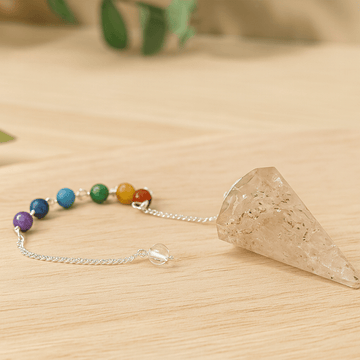
The chakra tradition gives Earth to the root: Muladhara, at the base of the spine. The root chakra holds the feeling of belonging to a place: solid ground, familiar ground, the place where the body can stop checking for danger. Working with the root, the tradition says, means working with anything that brings the attention down and back into the body. Walking. Cooking. Holding something heavy and smooth in the palm.
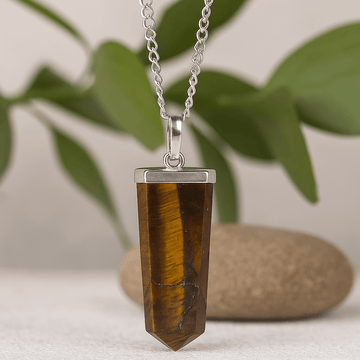
The stones that carry this feeling are the ones that feel like the earth itself: hematite, jasper, smoky quartz, black tourmaline, river stones with rounded edges. The scents are forest floor and wet soil, vetiver and cedarwood, patchouli, the quiet green of moss and fern.
If you are building a practice around steadiness, the suggestion is simple: choose one object, give it a role (a stone on the desk, a scent in the evening, a wooden bowl held each morning) and let the repetition hold the thread. The object keeps the practice in view. The practice is yours.
Below: the catalogue's earth register. Grounding stones, earthy scents, objects made from the world's own materials.
Resoneert met
Stenen