Envío gratis a partir de £33 · enviado desde el Reino Unido · impuestos incluidos

Aroma

Clary Sage

Clary sage, Salvia sclarea: herbaceous, warm, floral. Ancient eye remedy turned evening ritual. The tradition holds it for calm and a steadier breath.

Familia olfativaHerbal
Mejor temporadaSpring, Summer, Autumn, Winter
Hora del díaEvening

Compra en Clary Sage

15 productos

Clary sage, Salvia sclarea, is a biennial sage native to the Mediterranean and now widely cultivated in France, Bulgaria and Russia. The essential oil is steam-distilled from the flowering tops, and the plant has been used since antiquity: the Romans called it ocimum and used it in eyewashes, which is where the English name arrives: clary, from clear eye.

The scent opens herbaceous and slightly sharp (green, almost resinous) before revealing something sweeter underneath: hay, faint florals, a warm nutty quality that distinguishes it from its sharper culinary cousin. In the drydown it settles into something amber and quietly grounding. It is not a bright scent. It moves sideways rather than upwards, and it lingers without announcing itself.

The tradition files clary sage firmly under evening, the hour between ten and midnight when the day has released its grip but sleep hasn't quite arrived. It is the companion for the slow gear-change: bath time, the last cup of something warm, the conversation that happens after the phone is down. Its mood is balance, not the excitement of joy but the steadiness that makes joy possible.

One practice the tradition suggests: keep the oil on a bedside surface. Each evening, before the light goes out, open the bottle, hold it close and breathe. Name one thing that is finished. Let the ritual mark the end.

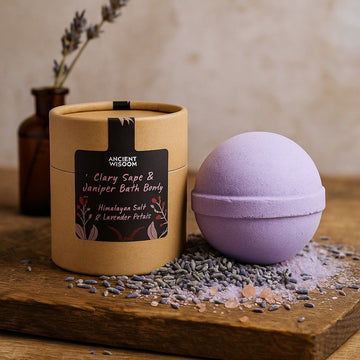
Below: the catalogue's clary sage, essential oil, candles, room sprays and bath blends. The whole quiet end of the evening shelf.

Resuena con

Estados de ánimo

Intenciones

Preguntas frecuentes

What is the essential oil clary sage used for?

Clary sage essential oil is traditionally reached for at the end of the day, in the hour between winding down and sleep. The tradition pairs it with evening baths, diffusers in bedrooms, and bedside breathing rituals. Its herbaceous, slightly sweet scent is held to encourage a steadier breath and a calmer mind as the day closes.

Where do you put clary sage oil?

Clary sage oil is typically placed in a bedroom diffuser, added to an evening bath, or kept on a bedside surface for direct inhalation before sleep. A few drops on a pillow corner or pulse points (wrists, temples) is another traditional practice. Always dilute in a carrier oil before applying to skin.

Does clary sage make you sleepy?

The tradition associates clary sage with the evening hours and the transition towards rest, though it is valued more for steadying the breath and quieting the mind than for sedation itself. It is often chosen as part of a bedtime ritual (bath, diffuser, inhalation) rather than as a standalone sleep aid.

Who should not use clary sage?

Clary sage essential oil is traditionally avoided during pregnancy, particularly in early trimesters, as the plant has a long folkloric association with labour and the womb. Those with hormone-sensitive conditions sometimes also avoid it. Always dilute before skin contact, and consult a qualified practitioner if you have concerns about use.

When not to use clary sage?

Clary sage is traditionally set aside during pregnancy, especially before the final weeks, and is sometimes avoided before driving or tasks requiring sharp focus, as its calming quality can feel dulling. The tradition also cautions against combining it with alcohol, which some hold intensifies its sedative character. Use mindfully and in dilution.