
Piedra preciosa
Jet
Jet is fossilised driftwood: lignite turned to stone over millions of years. Velvet black, light in the hand, ancient in memory. The tradition's earth stone.
Velvet black
Compra en Jet

 China

¿Qué es Jet?
Jet is lignite: driftwood that settled in prehistoric swamps, was buried, and spent forty million years under enough pressure to forget it was ever alive. The result is a stone that looks like obsidian but weighs almost nothing. It is matte and velvet-black in its raw state, takes a polish well, and has been carved since the Romans found it in the cliffs at Whitby, Yorkshire. The name arrives from the Greek gagas, a stone found near the river Gagas in what is now Turkey: one of those names that travelled further than its origin.
Jet moved through Europe as mourning jewellery, found in Anglo-Saxon burial sites as beads, and sat in Victorian pockets long after Queen Victoria wore it through the long weeks after Prince Albert. It has spent two thousand years as the stone of the quiet, serious end of things.
The tradition holds it at the root chakra: the base of the spine, the earth element, the feeling of solid ground beneath the feet. Capricorn is its zodiac home, and in the intention vocabulary it gathers around protection, grounding and calm.
Jet's weight is the thing worth noting. For a stone that looks so dark, it is surprisingly light in the hand, and that lightness carries its own message. The tradition's quiet invitation is to let it work alongside a practice rather than replace one. Set an intention in plain words (steady, present, unhurried) and let the stone keep the note. Come back to it when the day has scattered the attention. The practice is yours; the object keeps it in view.
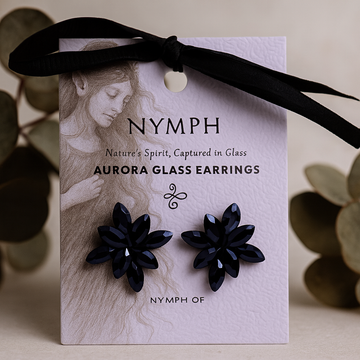
Below: jet as tumbled stones, pendulums, beads and jewellery. Each piece carrying that weightless darkness.