
What the word means
The meaning is uncertain. The usual readings are i mbolc, in the belly, for the pregnant ewes of early spring, or a root meaning to wash and cleanse. The old gloss ewe's milk is now thought to be a folk explanation. All three point to the same season: the farm waking up while the land is still cold.
Brigid, saint and goddess
The feast of Saint Brigid of Kildare falls on 1 February, and was already noted in the late 7th century. Historians suggest that it continued an older festival of the goddess Brigid, though nobody can prove the line. Both are linked with poetry, smithcraft and domestic animals. Since 2023 Ireland has marked the day as a public holiday, Imbolc/St Brigid's Day, usually on the first Monday of February.
The Brigid's cross
The best known custom is a small four-armed cross woven from rushes on her day and hung over a door or in the byre to protect the house. In many places girls carried a Brídeog, a doll of Brigid dressed in cloth and flowers, from door to door.
Candlemas and Lichtmess
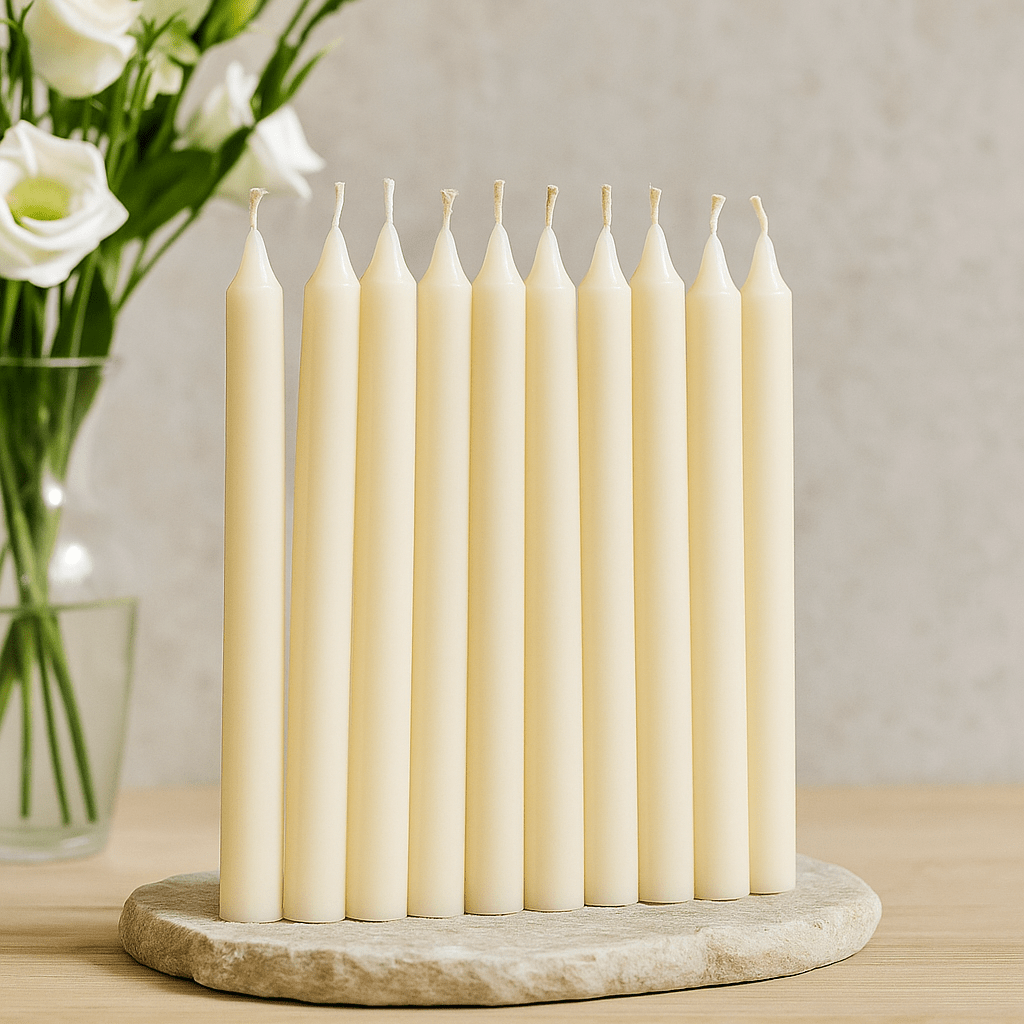
On 2 February the Christian calendar keeps Candlemas, when the year's candles are blessed. In the Irish language it is the feast of Mary of the Candles. Imbolc and Candlemas are separate in origin, but they light the same dark week, which is why candles have become the sign of both.
The weather on the day
Gaelic lore says the Cailleach, the old hag of winter, gathers her firewood at Imbolc. If the day is bright she has made sure of fine weather to collect more, and winter will last. If it is foul she is asleep, and spring is close. The American Groundhog Day keeps a similar idea.
 Poland
 China
 India

 United Kingdom