


















 £0.22 off


Natural loofahs bring a quietly ritual quality to the daily shower — the kind of texture that turns a quick wash into something more deliberate. Sourced from the dried fibre of the loofah gourd and from tough sisal plants, these bath sponges and body scrubbers offer firm, invigorating exfoliation that wakes the skin up gently. Where synthetic options shed microplastics and wear out within weeks, a well-made natural loofah serves faithfully for months, then composts cleanly at the end of its life.
What's in the collection
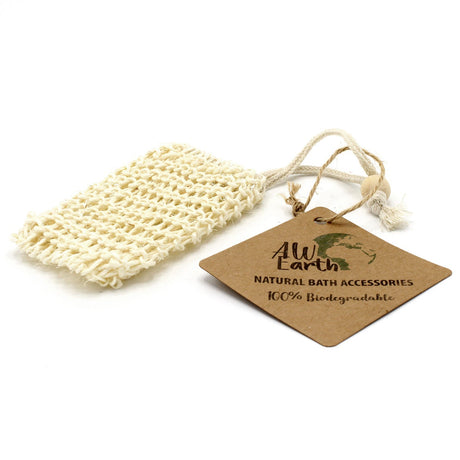
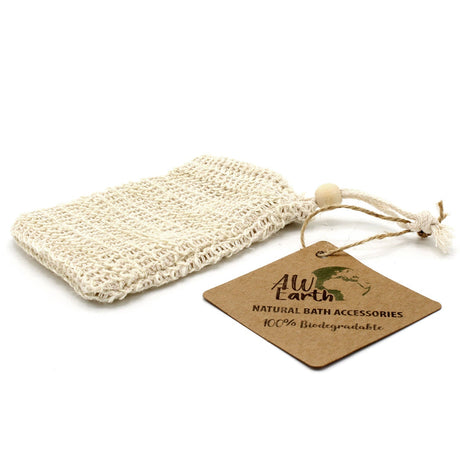
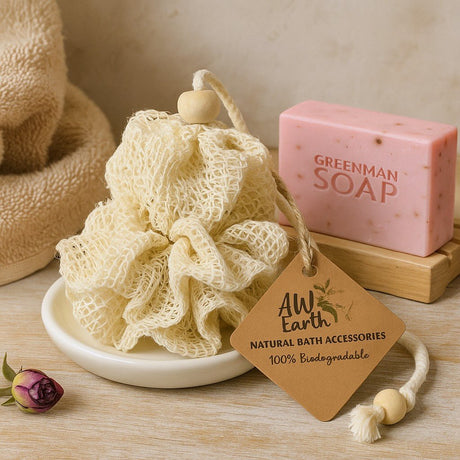
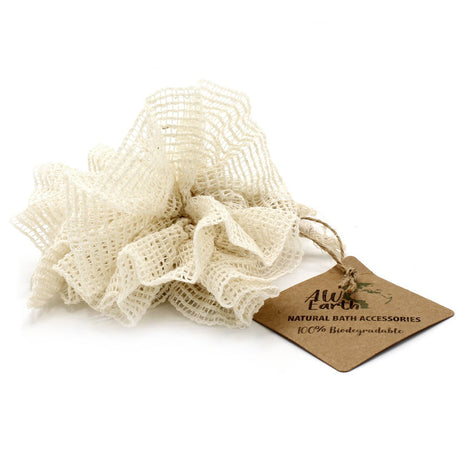
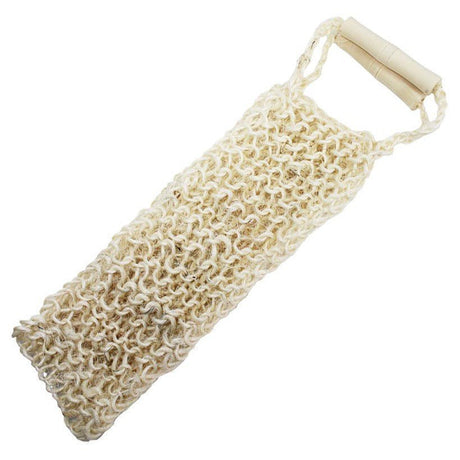
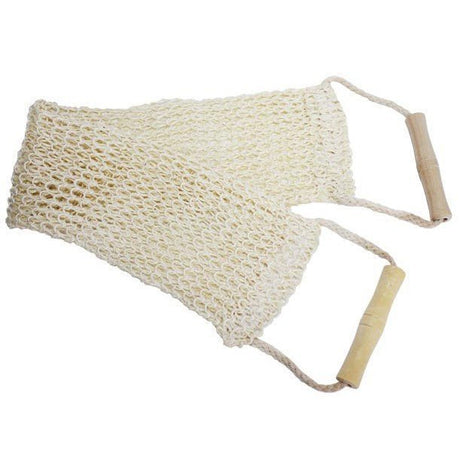
The range spans two distinct textures. Sisal bath sponges and sisal body scrubbers are woven from the strong bast fibres of the Agave plant — firm enough to improve circulation and smooth rough patches, yet yielding enough to be used with care on most skin types. Shapes include round cushions, star motifs, hand mitts, and flat scrub pads, alongside back scrubbers for shower use that make reaching the whole body effortless. Then there are the classic loofah body scrubs — made from the dried, skeletal network of the loofah gourd — which offer a slightly lighter, more flexible exfoliation ideal for everyday use. Some incorporate bamboo, linen, or charcoal for a gentler feel and a softer tone on the skin.
Choosing the right scrubber for your routine
If you prefer firm, energising exfoliation — perhaps as preparation before applying Hand & Body Wash — a sisal scrub pad or mitt will give you that satisfying, thorough result. For daily use or more sensitive areas, a loofah cushion or bamboo-blend pad offers a kinder touch. The back scrubbers for shower are particularly popular for their long reach, making light work of the areas that are hardest to exfoliate by hand. If you're building a full Bath & Body Essentials routine, a sisal glove is a simple way to elevate the experience without adding much time.
How to use and care for natural loofahs
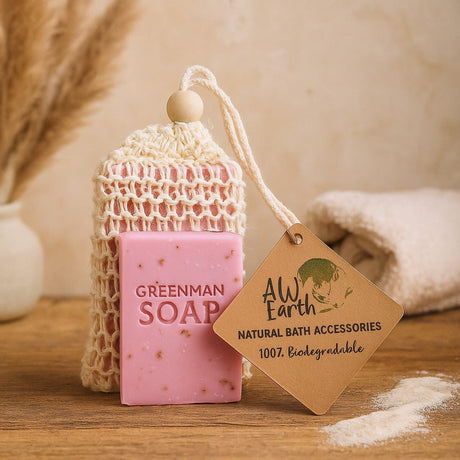
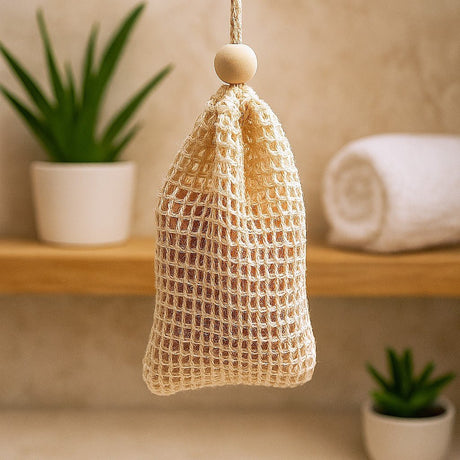
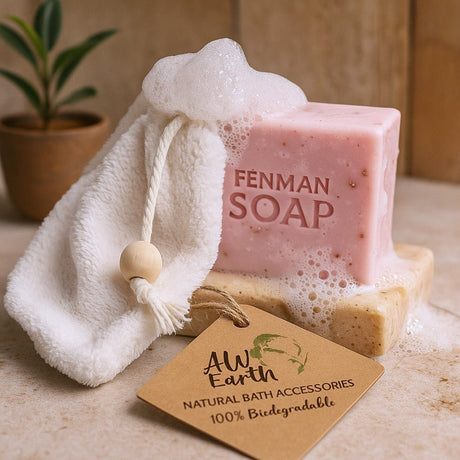
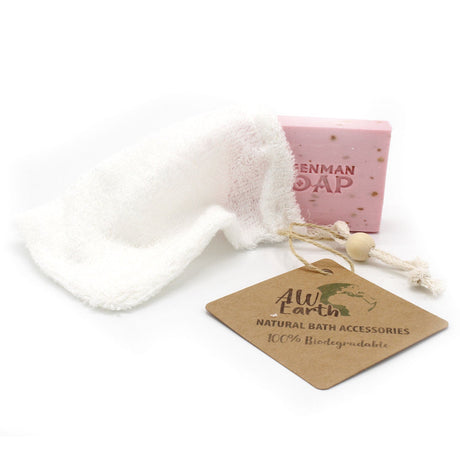
Wet the scrubber, apply your chosen hand and body wash or a bar of soap, and work in circular motions from the feet upward. Rinse thoroughly after each use. The most important step is drying — hang your natural bath products somewhere with good airflow between uses to prevent any build-up of moisture. Replace when the fibres begin to soften or break down, typically every two to three months with regular use. Storing them on a Foot Stones tray or a wooden soap dish helps keep them off damp surfaces and extends their life.
Frequently asked questions
Are natural loofahs suitable for sensitive skin?
Most people with normal to combination skin find sisal and loofah exfoliators very effective. If your skin is particularly reactive or prone to sensitivity, start with a lighter loofah or bamboo-blend pad rather than a firm sisal scrubber, and always use gentle, circular motions rather than aggressive rubbing.
What's the difference between sisal and loofah?
Sisal is a plant fibre — strong, slightly scratchy, and very durable. A loofah (sometimes spelled luffa) is the dried internal skeleton of a gourd, lighter and more flexible, with a slightly softer texture. Both are fully natural and compostable at the end of their life.
How often should I use a body scrubber?
Two to three times a week is generally ideal for most skin types. Over-exfoliating can irritate the skin barrier, so on other days a soft washcloth or a Konjac Sponge can maintain the routine more gently.
How do I know when to replace my loofah or sisal sponge?
When the fibres become soft, frayed, or start to smell fresh even after thorough drying, it's time to replace it. A good indicator is if the exfoliation no longer feels effective — the texture has simply worn down.
Can I use these with Himalayan salt deodorant or other targeted products?
Yes — pairing a sisal or loofah scrubber with products like Himalayan Salt Deodorant Stones is a common and effective pairing. Using the scrubber first on the underarm area (with a light touch) can help the deodorant absorb more evenly into clean, exfoliated skin.