




 £8.62 off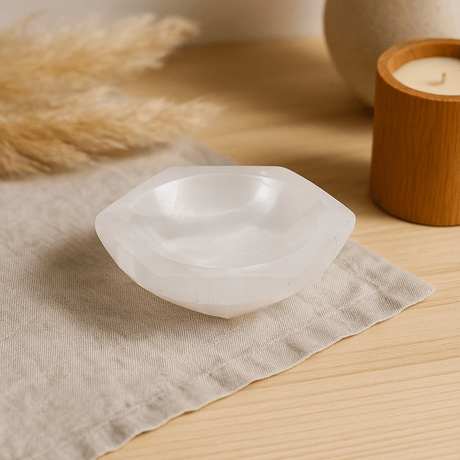




 £10.53 off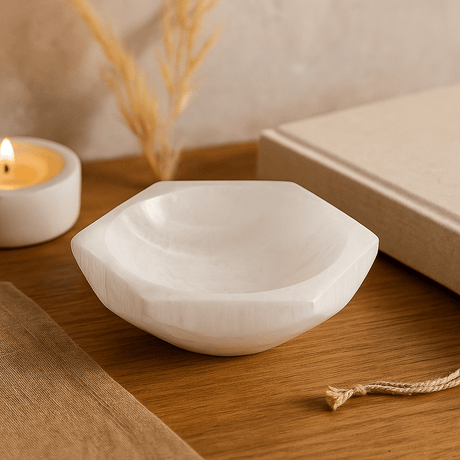


 £10.53 off


 £8.62 off


 £8.62 off


Smudge bowls have grounded contemplative spaces for centuries — catching embers and ash as herbs and resins burn, containing the smoke that marks transition, intention and stillness. Our collection of ritual bowls brings together cast iron cauldrons, enameled offering plates, selenite bowls and handcrafted wooden holders designed to serve your practice at every scale.
What's in the collection
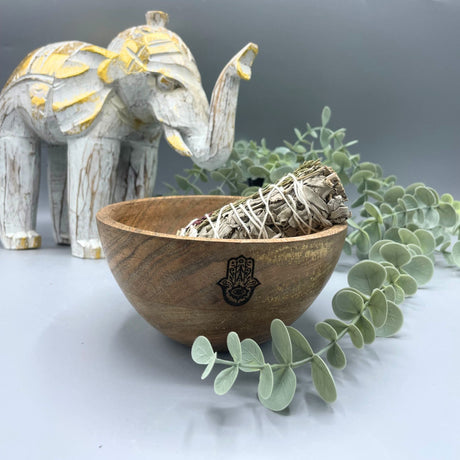
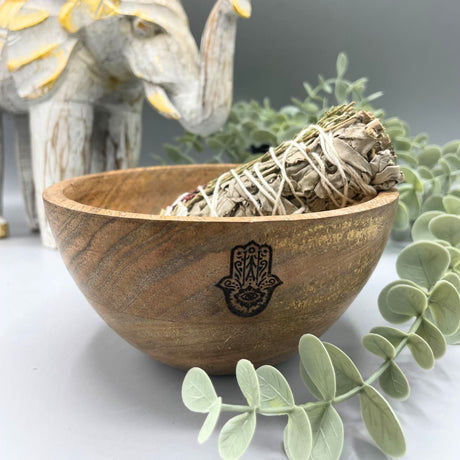
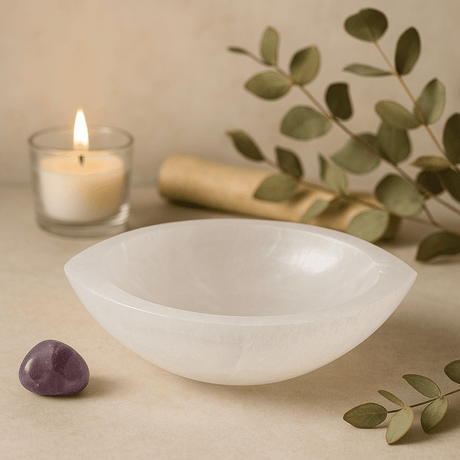
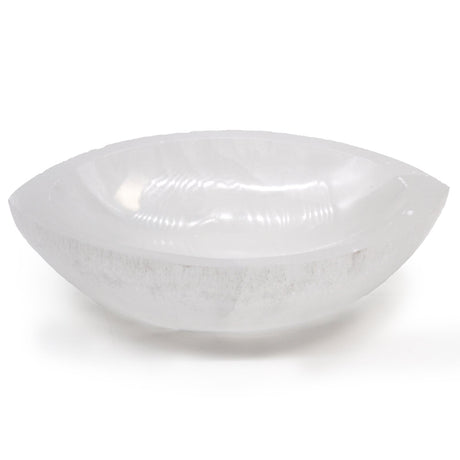
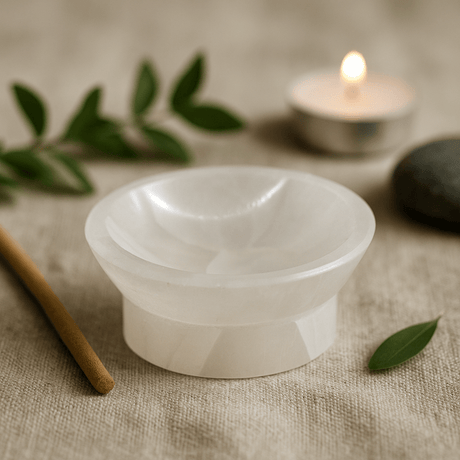
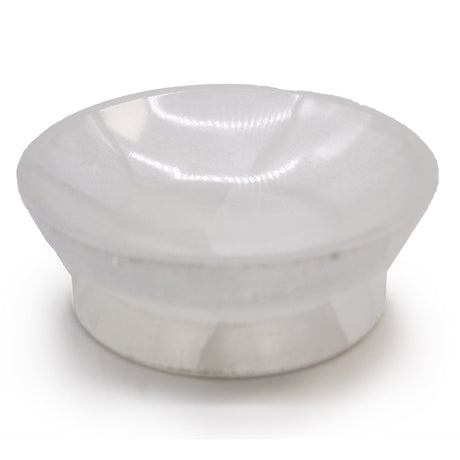
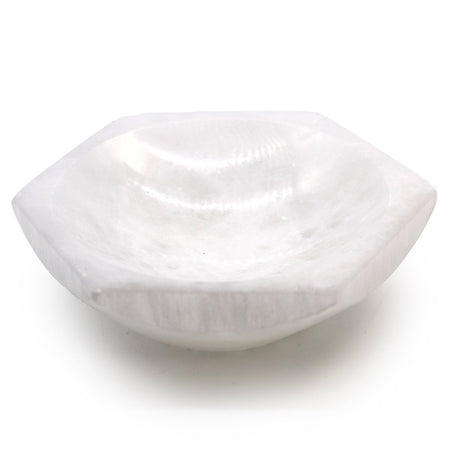
The range spans 18 ritual bowls across materials and forms. Cast iron cauldrons and pots — some etched with pentagram detail — bring weight and permanence to an altar; their heat-resistant construction makes them well suited to containing lit smudge sticks and cone incense over time. Enamelled offering plates in tripod and three-legged designs feature symbols such as the Triple Moon, Hamsa, Sun and Hands, and Goddess motifs — each adding a visual anchor to your sacred space. Selenite bowls in geometric cuts (hexagon, eye shape) offer a softer aesthetic and are traditionally valued for displaying stones and small objects. Copper incense holders, wooden chalices and tree-of-life cone holders complete the mix for those who prefer to work with loose incense or cones rather than smudge sticks.
Choosing your ritual bowl
Consider the practice first. A cast iron cauldron or smudge bowl handles burning materials directly and can sit on a surface; the Extra Small cast iron pots (5 × 7 cm) work well as personal bedside vessels, while the larger cast iron version (21 × 15 cm) commands an altar. An enameled or copper offering plate is ideal if you prefer to rest a smudge stick on the rim and let ash fall naturally — the flat surface also accommodates resin or dried botanicals. Selenite bowls are not designed for open flame, but they make striking vessels for tumbled stones, tarot cards or a single charged object at the centre of a working. If your practice involves a altar cloth, coordinate the bowl's material and symbol with the cloth's colour and texture for a cohesive setup.
How to use and place your bowl
A smudge bowl typically sits at the centre or lower third of an altar, but it earns its place anywhere you gather for stillness — a bedside table, a corner, or a shared family space where ritual marks the rhythm of the day. Fill the base with a layer of sand or ash before placing a burning smudge stick, or simply rest the stick on the rim of a flat plate. After use, allow the vessel to cool fully before emptying. Selenite can be wiped clean with a dry cloth; cast iron benefits from a light coating of oil after cleaning to maintain its surface. Store each bowl where it is visible and to hand — the intention behind the object matters most, but easy access encourages consistent practice.
Pairing with other ritual tools
Many of our customers build their altar piece by piece, and the smudge bowl often anchors the layout. A crystal ball placed beside a selenite bowl creates a layered focal point; an orgone energy pyramid nearby can complement the bowl's grounding presence. For those who work with cutting tools, a ritual knife may share the altar surface, and the smudge bowl precedes or follows the working to clear the space before and after. Explore the full Spiritual Tools for Mindfulness & Ritual collection to find companions for your bowl.
Frequently asked questions
Can I use a selenite bowl for burning incense or smudge sticks?
Selenite is a soft mineral and should not be exposed to direct flame or sustained heat. Selenite bowls are best used to hold objects — tumbled stones, cards, small charged items — rather than as a direct burner. For burning materials, choose a cast iron cauldron, enameled plate or copper holder from the same collection.
What size smudge bowl do I need for a shared or large altar?
For a larger altar or shared space, a cast iron cauldron (21 × 15 cm) or a wide tripod offering plate provides sufficient surface area to contain ash and embers without frequent tending. Smaller pots (5 × 7 cm) suit a personal, bedside or travel altar where the practice is brief.
Are the enameled offering plates heat safe?
The enamel coating on our tripod offering plates is designed to withstand the heat of a smudge stick or cone ember when used as intended. Avoid placing them on direct heat sources — they are designed to sit on a surface and hold burning materials above it, not to be heated from below.
How do I clean and care for a cast iron ritual pot?
Allow the pot to cool completely after use. Empty the ash, wipe the interior with a dry cloth, and remove any moisture. Occasional light oiling of the interior surface helps prevent surface rust, particularly in humid climates. Do not use water to soak cast iron items.
Do these bowls come with smudge herbs or incense included?
The bowls and plates are sold individually and do not include smudge herbs, resins or incense. These are available separately in our incense and smudge ranges, which pair naturally with any of the holders in this collection.