


 £11.97 off


 £20.30 off
Large Pro Djembe Drum – Freedom Rhythm (high) – 50cm (22cm Diia)
In stockSale price £6295 Regular price £8325Unit price


 £14.41 off
Medium Pro Djembe Drum -Freedom Rhythm (high) – 40cm (18cm Diia)
In stockSale price £3599 Regular price £5040Unit price


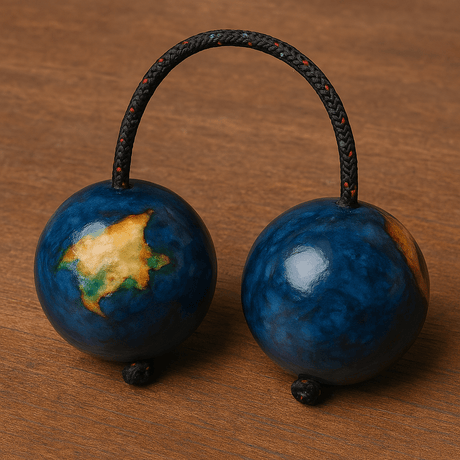

 £1.95 off
Kashaka Percussion Shaker, Ocean Blue Suar Wood
Low stockSale price £1395 Regular price £1590Unit price


 £15.25 off

 £2.21 off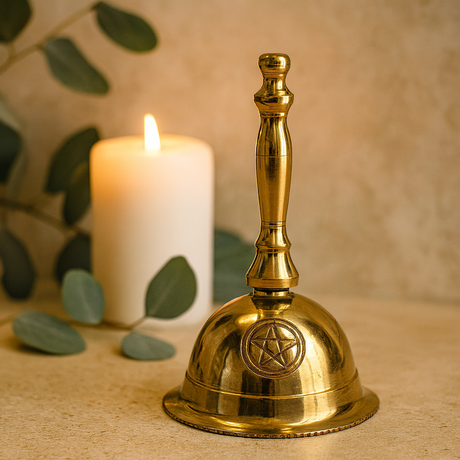
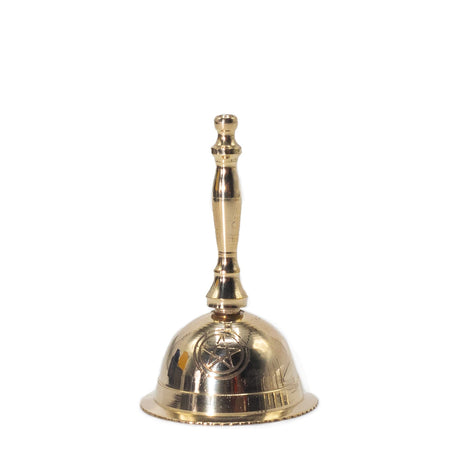
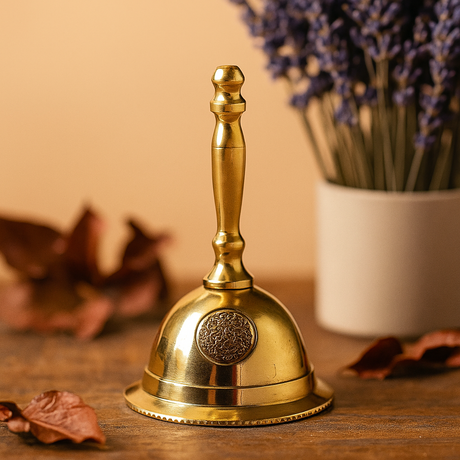
 £3.13 off
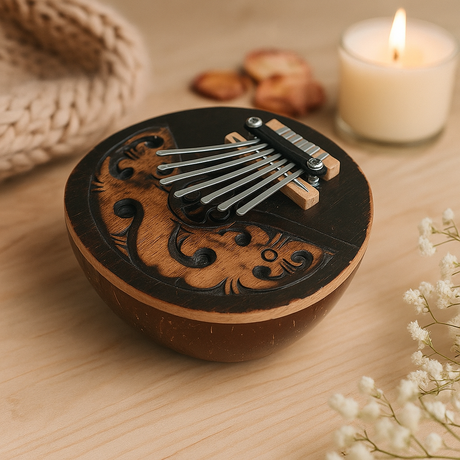
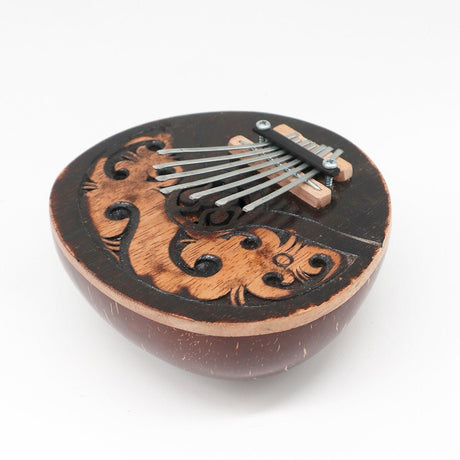
Kalimba Thumb Piano Coconut Shell Handmade 7 Keys
In stockSale price £1595 Regular price £1908Unit price


 £9.33 off
Singing Bowl Om Five Buddha Earth Powder 16cm
In stockSale price £4599 Regular price £5532Unit price


 £1.36 off




Singing bowls have been at the heart of contemplative practice for centuries, their resonant tones offering a natural invitation to slow down, breathe, and arrive in the present moment. This collection of sound healing instruments brings together handcrafted percussion, throat instruments, and tonal tools drawn from musical and meditative traditions — each chosen for the quality of sound it produces and the intention it serves. Whether you are beginning a personal practice or deepening an existing one, these instruments meet you where you are.
What is in the collection
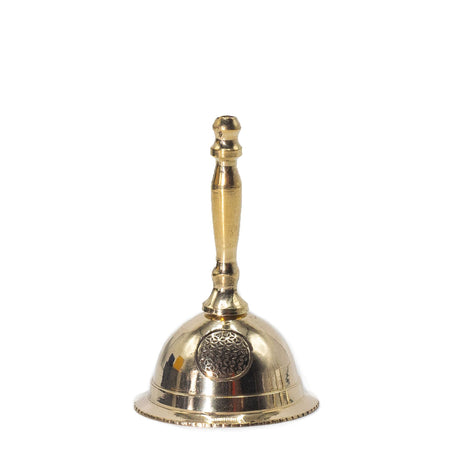
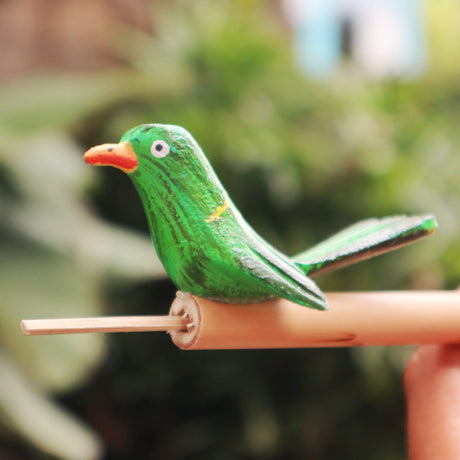
The range spans several families of hand percussion. Singing bowls in various sizes produce rich, layered overtones when struck or circled with a mallet — a sound that lends itself naturally to meditation and ceremony. Tingsha cymbals offer bright, clear chimes ideal for marking transitions in practice. Shakers and rattles, including hand-carved suar wood shakers and traditional maracas, add rhythmic texture and are particularly well suited to sound journeys and group work. The kalimba thumb piano — a plucked idiophone with keys mounted on a resonant body — brings gentle, melodic tones in a compact, approachable form. Bird whistles introduce playful, nature-inspired voices, while Tibetan bells and altar bells serve both ceremonial and musical purposes. A selection of mallets, strikers, and singing bowl cushions is also available to support your playing.
Choosing your instrument
Size is the most practical starting point when selecting a singing bowl. Smaller bowls (12–16 cm) tend toward higher, more focused tones and are easy to hold or place on a cushion. Larger bowls (20 cm and above) resonate with deeper, more sustained overtones that fill a room — well suited to group meditation or therapeutic settings. If you prefer a bright, immediate chime, tingsha cymbals or a kalimba thumb piano may be a better fit than a bowl. For breathwork or sound journeys, shakers and bird whistles offer dynamic, rhythmic possibilities. Material and finish also influence tone: suar wood and coconut shell produce warm, organic resonance; brass and earth-powder finishes tend toward a fuller, more complex harmonic profile.
Ways to play and use
These instruments are designed for quiet, intentional use rather than performance. A singing bowl is struck gently and circled with a velvet-wrapped mallet to build its tone gradually — a simple technique that rewards patience. Tingshas are held by their leather straps and struck together with a controlled, even motion. Shakers are moved in slow, steady arcs to produce a continuous, meditative rattle. The kalimba is played by pressing the keys with your thumbs, producing clean, bell-like notes that layer beautifully in sequence. Whether you are using them during meditation, to mark moments of ceremony, or simply to bring a moment of calm to a room, the practice is the point — not perfection.
Frequently asked questions
How do I produce a good tone from a singing bowl?
Hold the bowl in the palm of your non-dominant hand, or rest it on a cushion. Strike the bowl's outer rim firmly but gently with the wooden side of a mallet, then circle the rim with light, even pressure to sustain the sound. The tone builds as the bowl vibrates — practice and a quality mallet make a significant difference. A velvet-wrapped striker produces a richer, warmer sound than an unwrapped one.
What size singing bowl should I choose for meditation?
Smaller bowls (12–16 cm) are well suited to personal meditation — they are easier to hold, produce a focused tone, and are comfortable to play seated. Larger bowls (20 cm and above) are better for room-filling sound or group work, as they produce deeper, more sustained overtones. If you are unsure, a 16–18 cm bowl is a versatile starting point for most practitioners.
What is a kalimba thumb piano and is it suitable for beginners?
A kalimba — sometimes called a thumb piano — is a plucked idiophone with keys (tines) mounted on a resonant body. Notes are produced by pressing and releasing the keys with both thumbs. It requires no prior musical knowledge and produces pleasant, melodic tones with minimal technique, making it an accessible entry point for beginners and experienced musicians alike.
How should I care for my singing bowl or percussion instrument?
Wooden instruments should be kept away from prolonged moisture and direct heat. Brass and metal instruments can be wiped clean with a dry cloth; avoid harsh cleaners that may affect the finish. Singing bowls benefit from occasional cleaning of the outer surface with a soft, dry cloth. Store instruments in a dry, stable environment — a dedicated cushion or bag helps protect them during storage and travel.
Do the instruments come with mallets or accessories?
Singing bowls are sold individually without mallets unless the listing specifies otherwise. A selection of mallets and velvet-wrapped strikers is available within the collection, as are singing bowls cushions sized for smaller bowls. Tingshas, shakers, and other percussion instruments are typically sold as individual pieces without additional accessories unless stated in the product listing.