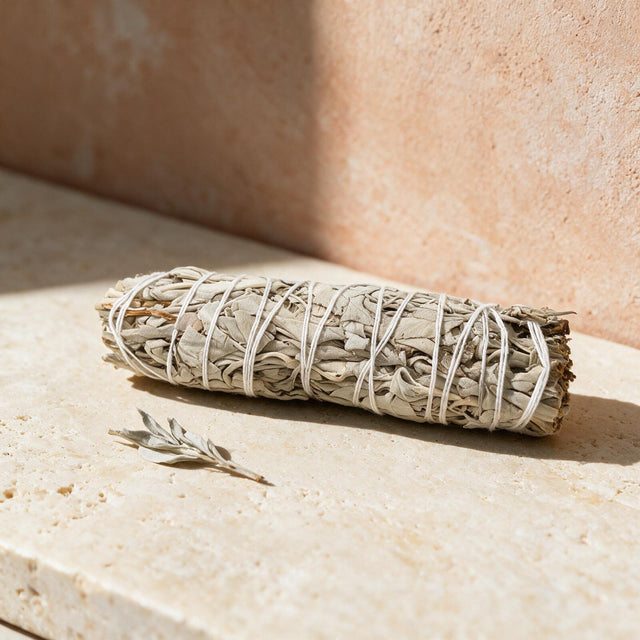
Smudge sticks
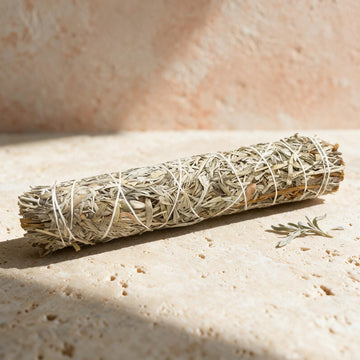
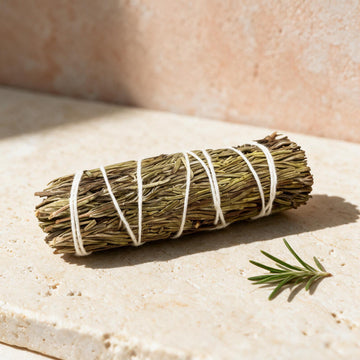
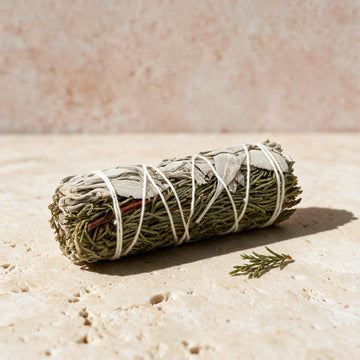
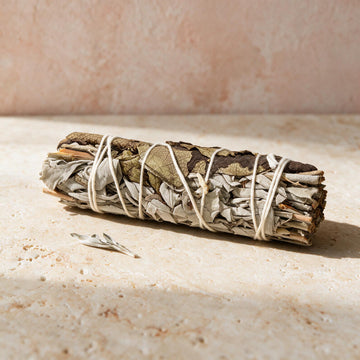
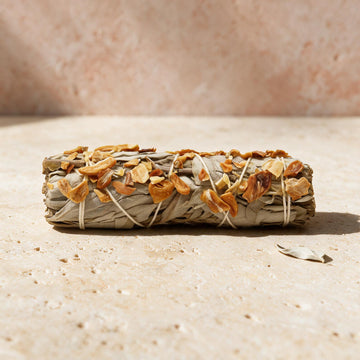
A smudge stick is a bundle of dried herbs, often sage, bound tightly with cotton thread. You light the tip, let the leaves catch, blow out the flame and let the smoke rise from the smouldering end, holding a bowl beneath to catch embers. One bundle lasts many short sessions.
- Burn time
- a few minutes per lighting; a bundle lasts many sessions
- How it is lit
- flame at the tip until the leaves catch, then blown out
- Smoke
- thick and herbal; loose embers can drop

Burns in

As a gift


Shop Smudge sticks
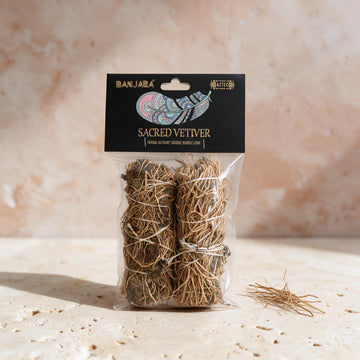
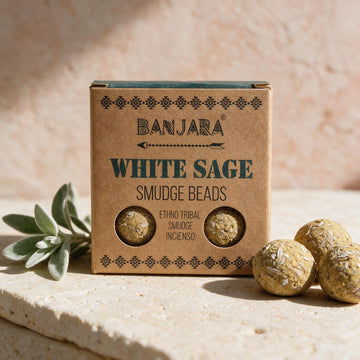
- Smudge Sticks Vetiver Patchouli Banjara, Pack of 2 2 pieces · Vetiver
 India£13.95Members: +£1.00 back
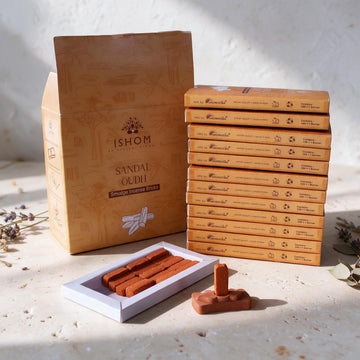
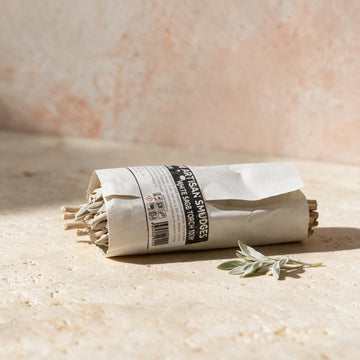
- Pack of 15 Natural Incense Smudge Bricks and Burner, Guggal 15 pieces · GuggalIndia£4.49Members: +£0.15 back
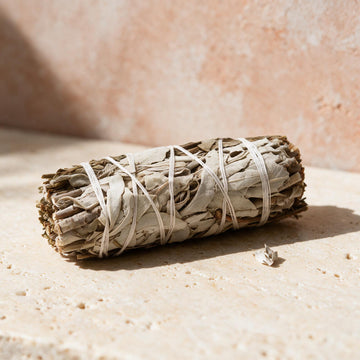
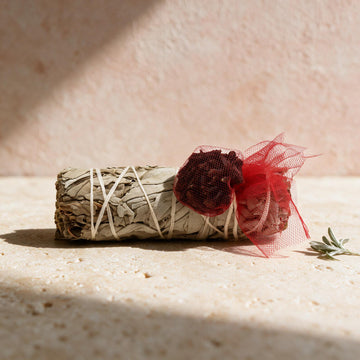
- White Sage Smudge Stick With Juniper 10cm 10 cm · White sage
 Mexico 5.0 (2)£10.95Members: +£0.65 back

 India
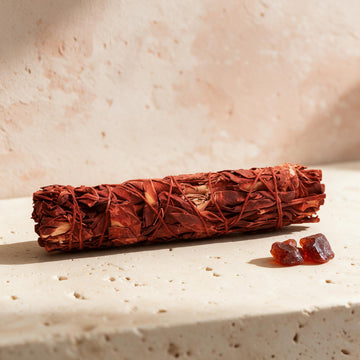
 Mexico





How to use it
- Open a window a little and hold a heat-proof bowl with sand ready.
- Light the tip of the bundle and let it flame for a few seconds.
- Blow the flame out. The leaves should glow and smoke.
- Walk slowly through the room with the bowl beneath the bundle. Waft the smoke with your hand or a paper fan.
- Press the tip into the sand until it is fully out, and check before you leave the room.
Frequently asked questions
How do I put out a smudge stick?
Press the burning end firmly into sand or a heat-proof bowl and turn it until no smoke rises. Do not dip it in water if you want to use it again. Check that it is fully out before you put it away.
Why does my smudge stick keep going out?
A tightly bound bundle can need a second lighting. Hold the flame a little longer and let more leaves catch. If it was stored somewhere damp, let it dry for a few days.
What can I use instead of white sage?
Garden sage, rosemary, lavender, juniper and cedar all make good bundles with traditions of their own. White sage is sacred to many Indigenous peoples of the American Southwest, so many people choose other herbs.
What do I fan the smoke with?
Your hand works well, or a paper or wooden fan. We do not use feathers.
Sources: Wikipedia, Salvia apiana; California Native Plant Society, Saging the World