Maneki-neko
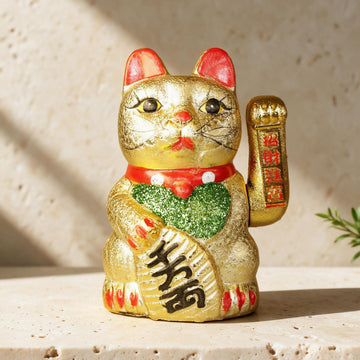
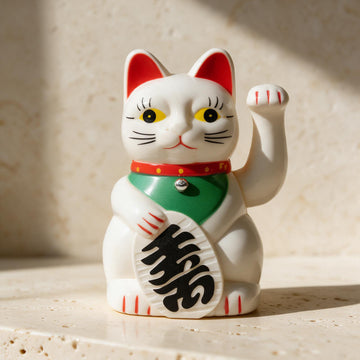
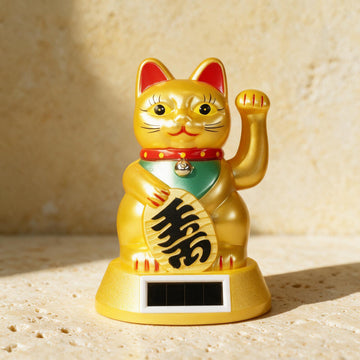
The maneki-neko, the beckoning cat, is a Japanese figure of a seated cat with one paw raised, said to invite good fortune and customers inside. The earliest known figures date from the late Edo period, in the nineteenth century, and it still sits by shop doors and tills across Japan. It is Japanese, though often called the Chinese lucky cat.
- Name
- Japanese for beckoning cat
- Earliest figures
- late Edo period, 19th century
- Raised left paw
- invites customers

As a gift

Shop Maneki-neko
- Lucky Cat Figurine Maneki Neko Money Cat 25.5 cm · Porcelain
 China 5.0 (1)£23.95Members: +£1.10 back
- Maneki Neko Lucky Cat, Porcelain with Waving Paw 17.5 cm · PorcelainChina 5.0 (6)£10.95Members: +£0.60 back

 China







A small practice
- Set the cat by your door, facing out.
- When you pass it, think of one person you would like to see more often.
- Invite them this week: a message, a meal, a walk.
Frequently asked questions
What does the maneki-neko mean?
It is the Japanese beckoning cat, a sign of welcome. Tradition holds that it calls good fortune and customers inside, which is why it sits in so many shop windows.
Which paw should a lucky cat raise?
By tradition a raised left paw invites customers and a raised right paw invites money. Some figures raise both.
Is the lucky cat Chinese or Japanese?
Japanese. It became popular in Chinese-run shops around the world, which is why many people call it the Chinese lucky cat.
Where should I put a maneki-neko?
Near the entrance or the till, facing the door. At home, a hall table or a shelf near the front door is the usual place.
Sources: Wikipedia, Maneki-neko; Wikipedia, Gōtoku-ji