
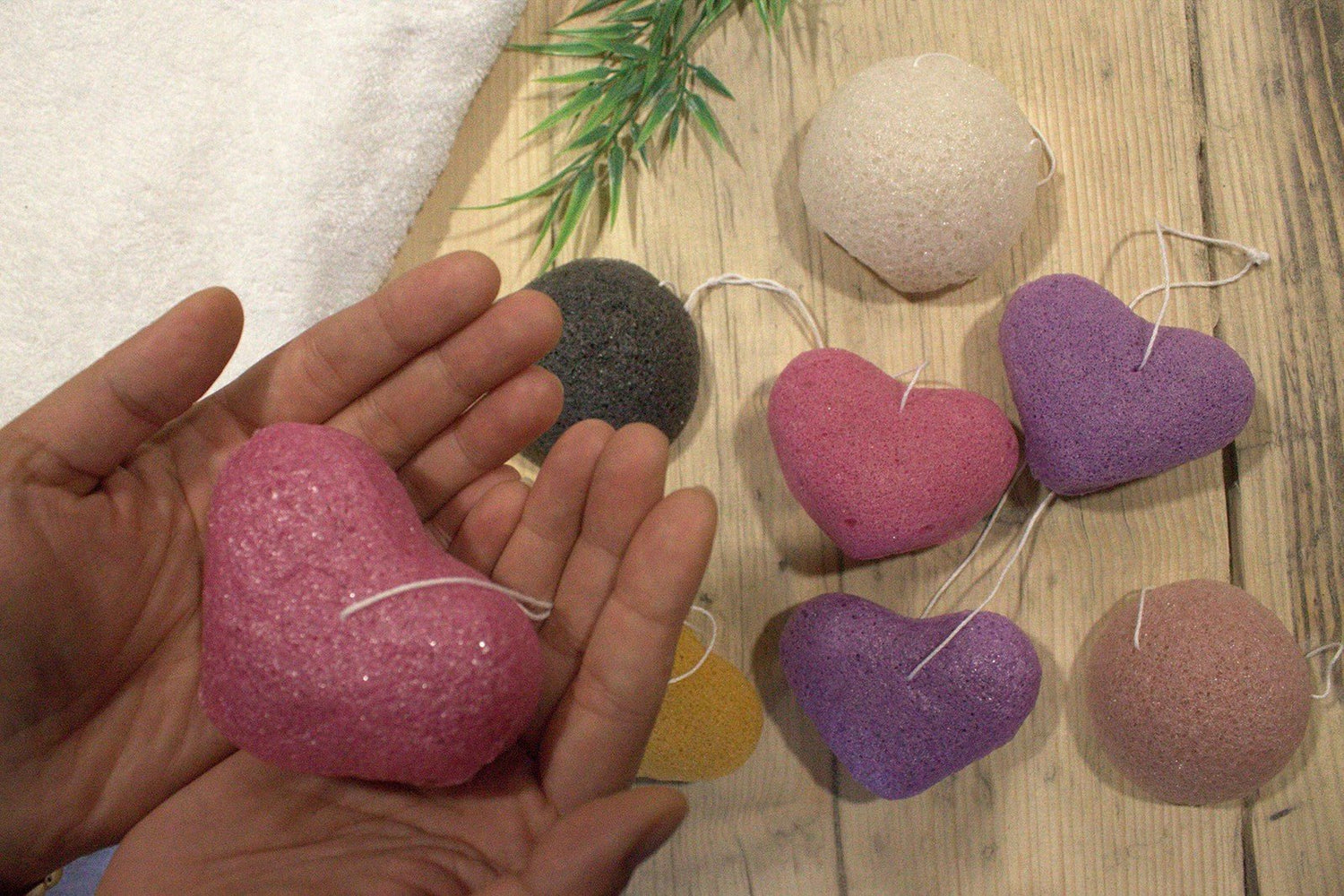


Konjac Facial Cleansing Sponge Heart Peach
 Ships from the UK
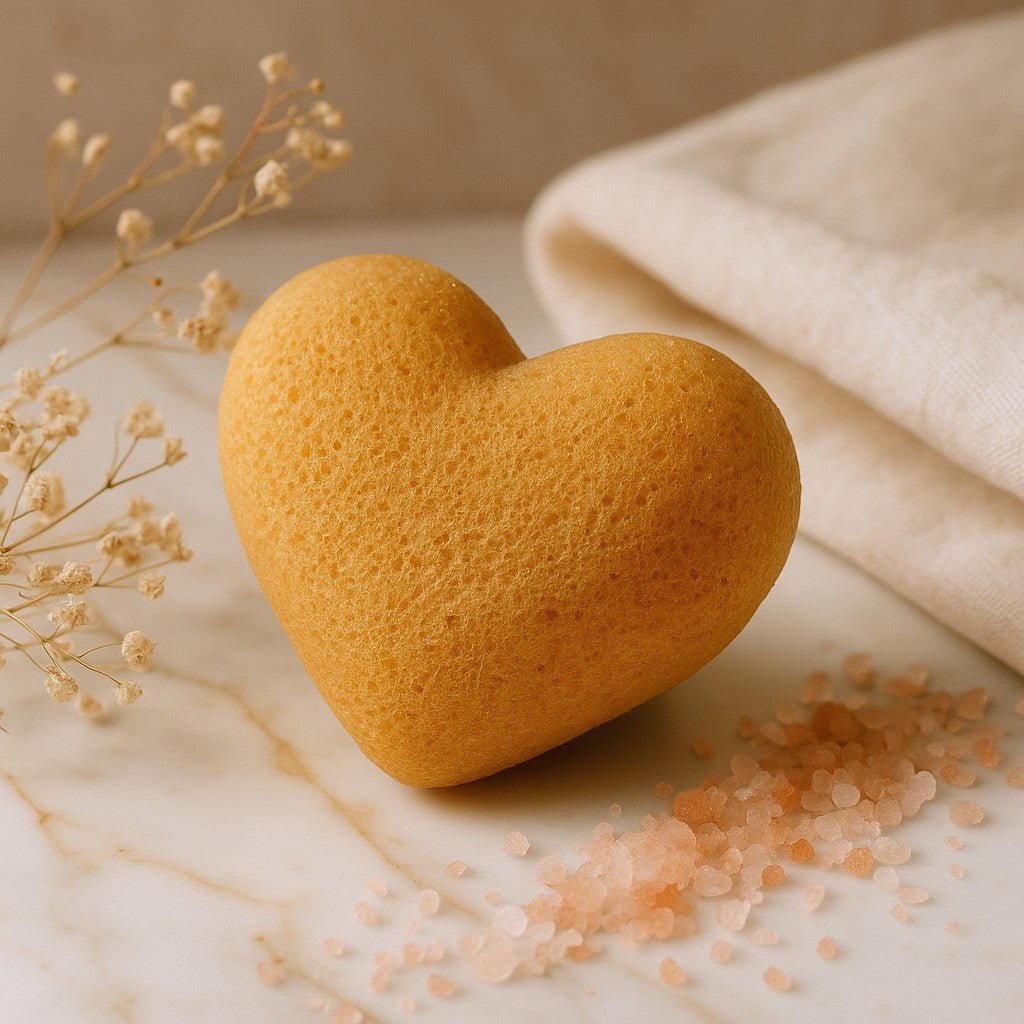
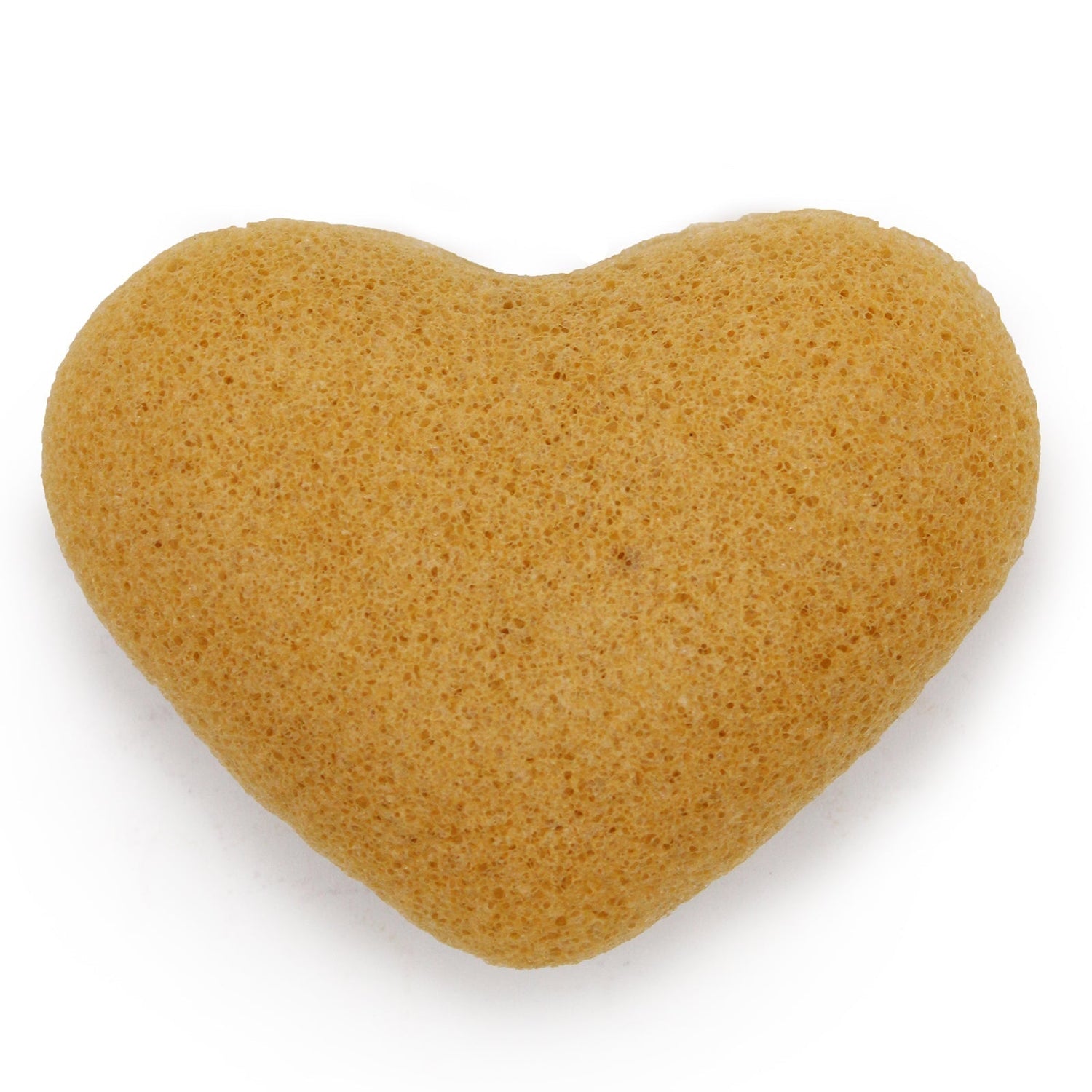
Dry, it feels like a small firm pebble. Under water, this peach heart konjac sponge softens into a cushioned cleansing pillow, ready for a quiet face or body ritual with water alone or alongside your usual cleanser.
Made from vegetable fibres of konjac root, it brings a gentle, plant-based feel to everyday cleansing. The heart shape makes the moment feel a little more considered, like a small act of care at the sink or in the bath.
Konjac Facial Cleansing Sponge Heart Peach is backordered and will ship as soon as it is back in stock.
Email me when it's back in stock
One email when this piece is back. No marketing, and you can unsubscribe at any time.
Dry, it feels like a small firm pebble. Under water, this peach heart konjac sponge softens into a cushioned cleansing pillow, ready for a quiet face or body ritual with water alone or alongside your usual cleanser.
Made from vegetable fibres of konjac root, it brings a gentle, plant-based feel to everyday cleansing. The heart shape makes the moment feel a little more considered, like a small act of care at the sink or in the bath.

Konjac Facial Cleansing Sponge Heart Peach

Konjac Facial Cleansing Sponge Heart Peach is backordered and will ship as soon as it is back in stock.
What it is
These are the tools of the bath: loofah and sisal scrubbers, jute mitts, konjac sponges for the face and body, foot stones of lava stone, soap bags and hammam towels. Each page says what it is made of, synthetic fibres included.
Why people choose it
- Plant fibres Loofah, sisal, jute, konjac, bamboo and linen.
- For face, body or feet Each page says where it is meant to be used.
- Made of what it says The materials come from the label, synthetic fibres included.
- Works with any soap A soap bag holds the last small pieces of a bar.
How to use it
- 1
Wet the tool and work up a lather with your soap
- 2
Use gentle circles; firmer materials such as sisal give a stronger scrub
- 3
Rinse it and hang it to dry after every use
Care: Rinse well and hang to dry after each use. Replace plant fibre scrubbers every few months. Let a konjac sponge dry fully between uses.
Customer reviews
2 reviews of this piece
-
★★★★★ A.
Very nice different buy more
-
★★★★★ S.
Thank you for lovely gift!
Complete your ritual
A few things often kept alongside this piece.
About this product
How the konjac fibre works with water
- Once fully soaked, the sponge holds water through its porous fibre structure, creating a soft buffer against the skin.
- The texture becomes tender and springy when wet, so cleansing feels cushioned rather than scratchy.
- Use it on its own for a simple water cleanse, or pair it with a small amount of your usual facial cleanser.
- The peach heart shape sits comfortably in the hand and turns a daily wash into something slower.
- Its soft character is inspired by a long East Asian skincare habit, where konjac sponges have been valued for delicate washing.
Vegetable fibre, simple and tactile
This sponge is made from vegetable fibres of konjac root. The material is naturally porous, which is why it changes so noticeably once saturated with water.
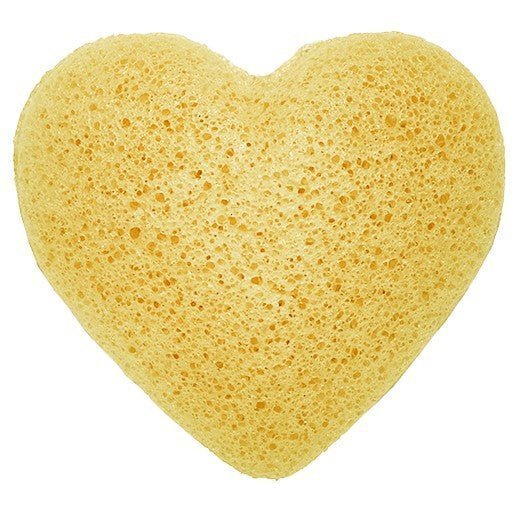
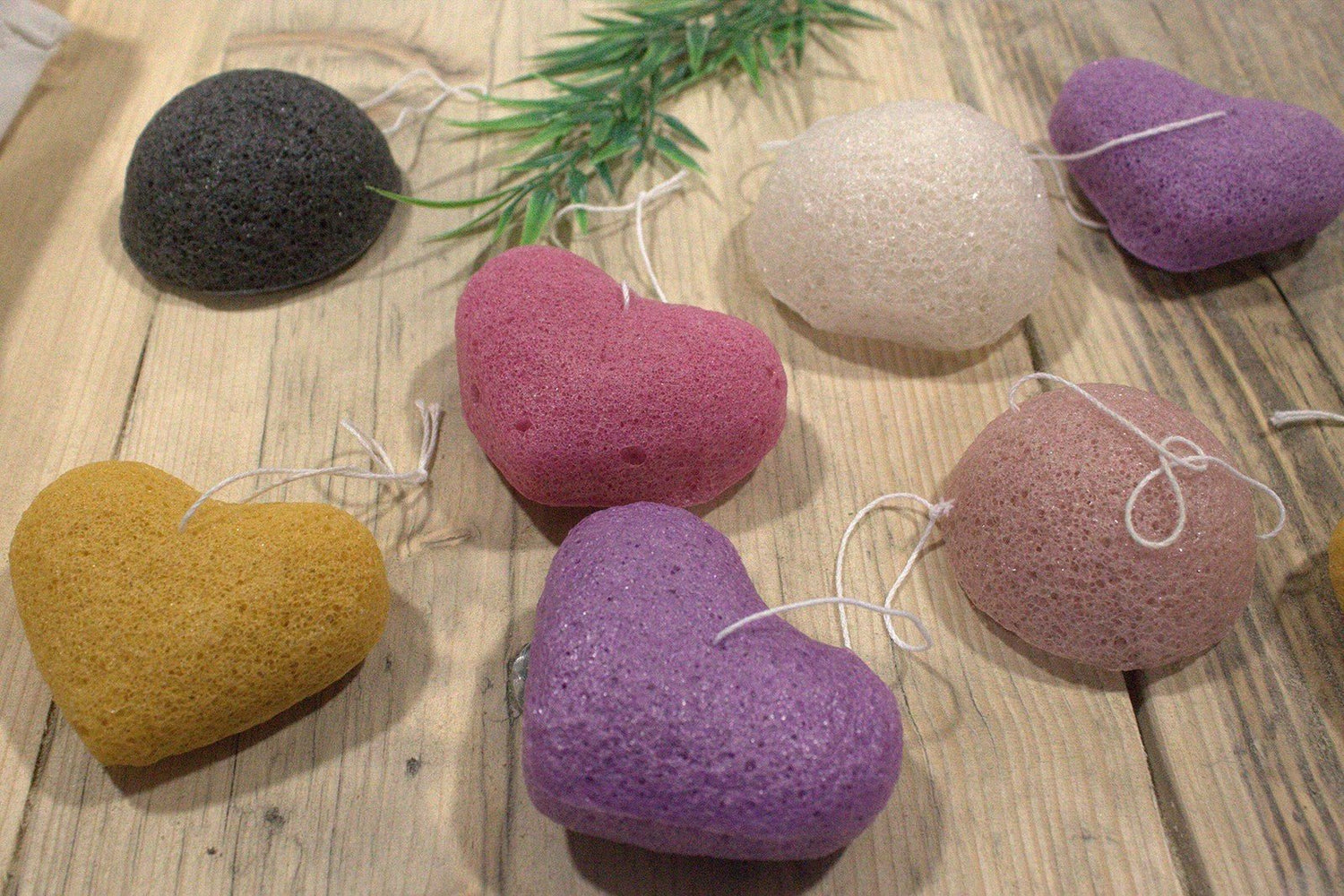
The colour is a gentle peach, with a rounded heart form that feels softer than a square cloth or sharp-edged sponge. It is part of the Natural Japan Style Konjac Sponges range.
How to soften, use and look after it
Soak the sponge in water until it becomes fully soft, then press out the excess water gently. Move it over the face or body in light circular motions, with or without cleanser.
After use, rinse it well and squeeze it carefully between your palms. Leave it somewhere airy to dry between uses, rather than storing it wet in a closed pot.
Konjac in skincare tradition
Konjac comes from a plant root used across parts of East Asia, including Japan, where konjac sponges became known for their soft texture. They were first used in Japan as bath sponges for newborn babies over a century ago, before becoming popular as facial and body cleansing sponges in China, Southeast Asia and Europe. In skincare, the appeal is simple: the fibre drinks in water, then releases it through a smooth, cushioned surface. It gives cleansing a slower, gentler rhythm without adding complexity to the bathroom shelf.
Size and details
Weight: 20 g. Material: vegetable fibres of konjac root. Origin: China.
Includes one peach heart konjac cleansing sponge.
A gentle little gift
A thoughtful choice for someone who enjoys natural bathroom rituals, soft textures and simple skincare tools. It suits a self-care parcel, a travel wash bag, or a small present for someone building a calmer daily routine.