

 £14.40 off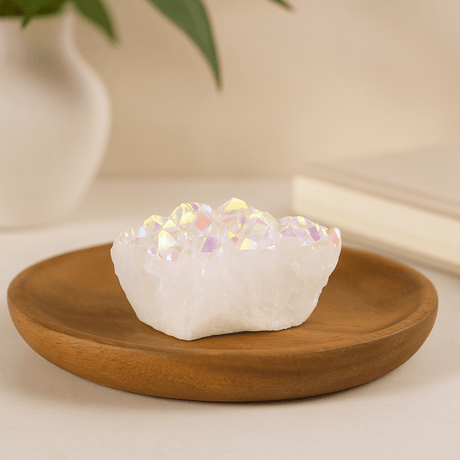


 £1.41 off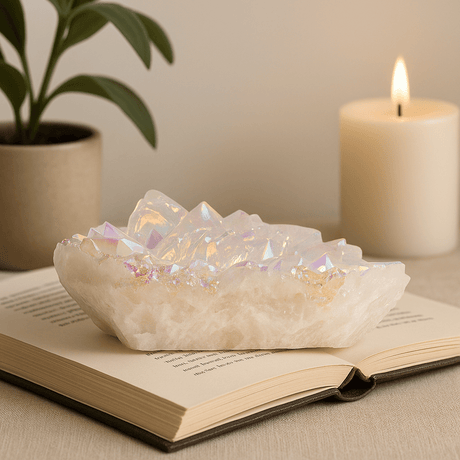


 £12.80 off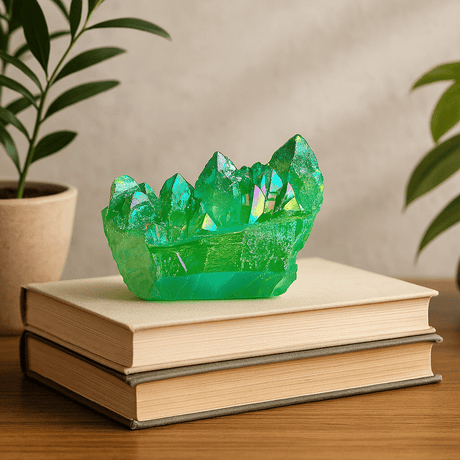










 £12.80 off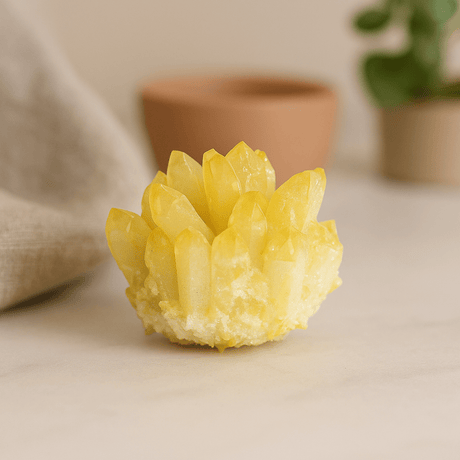


 £12.80 off
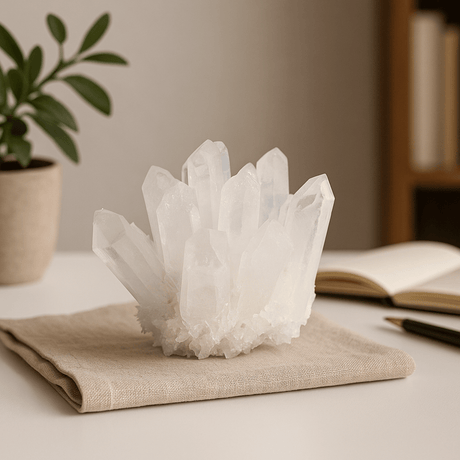
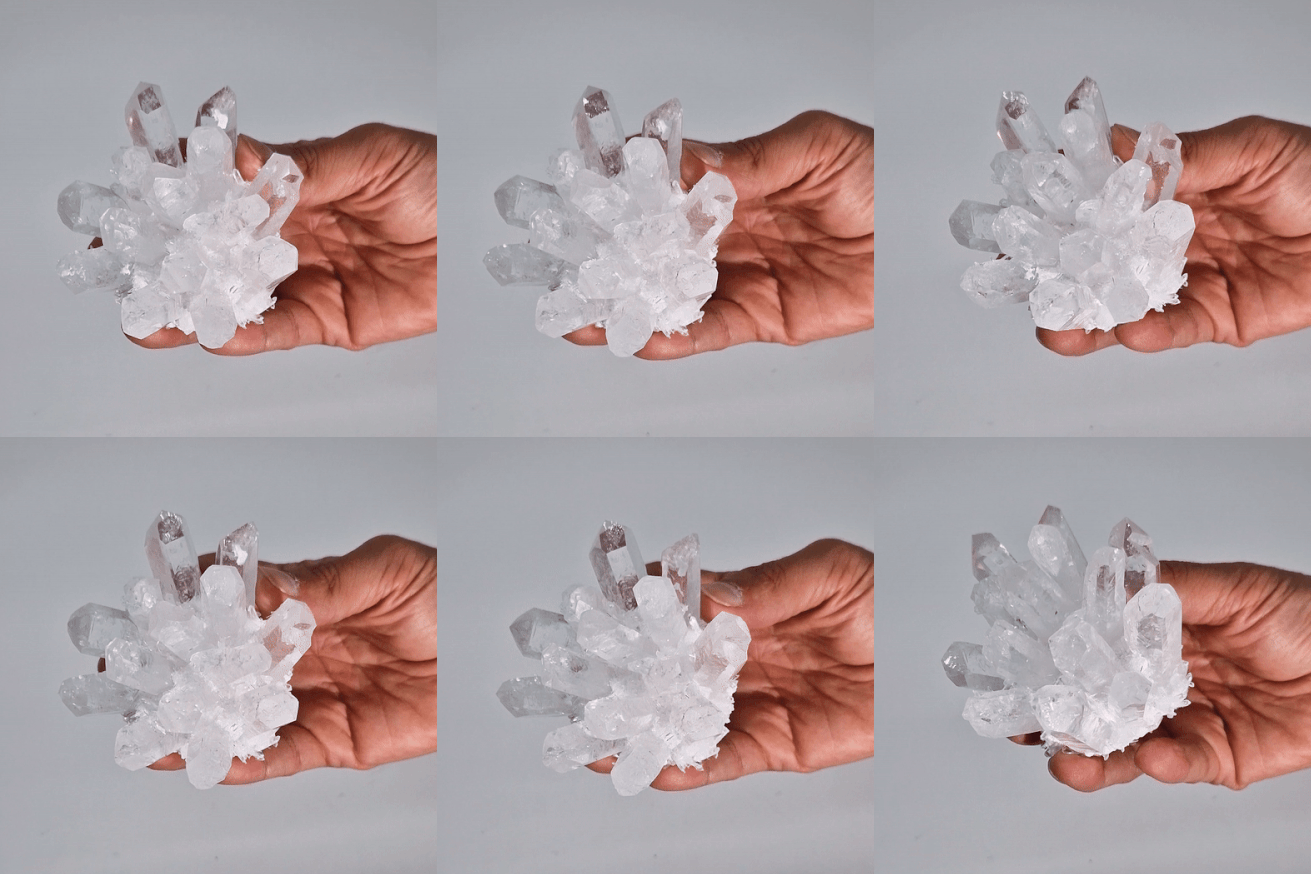
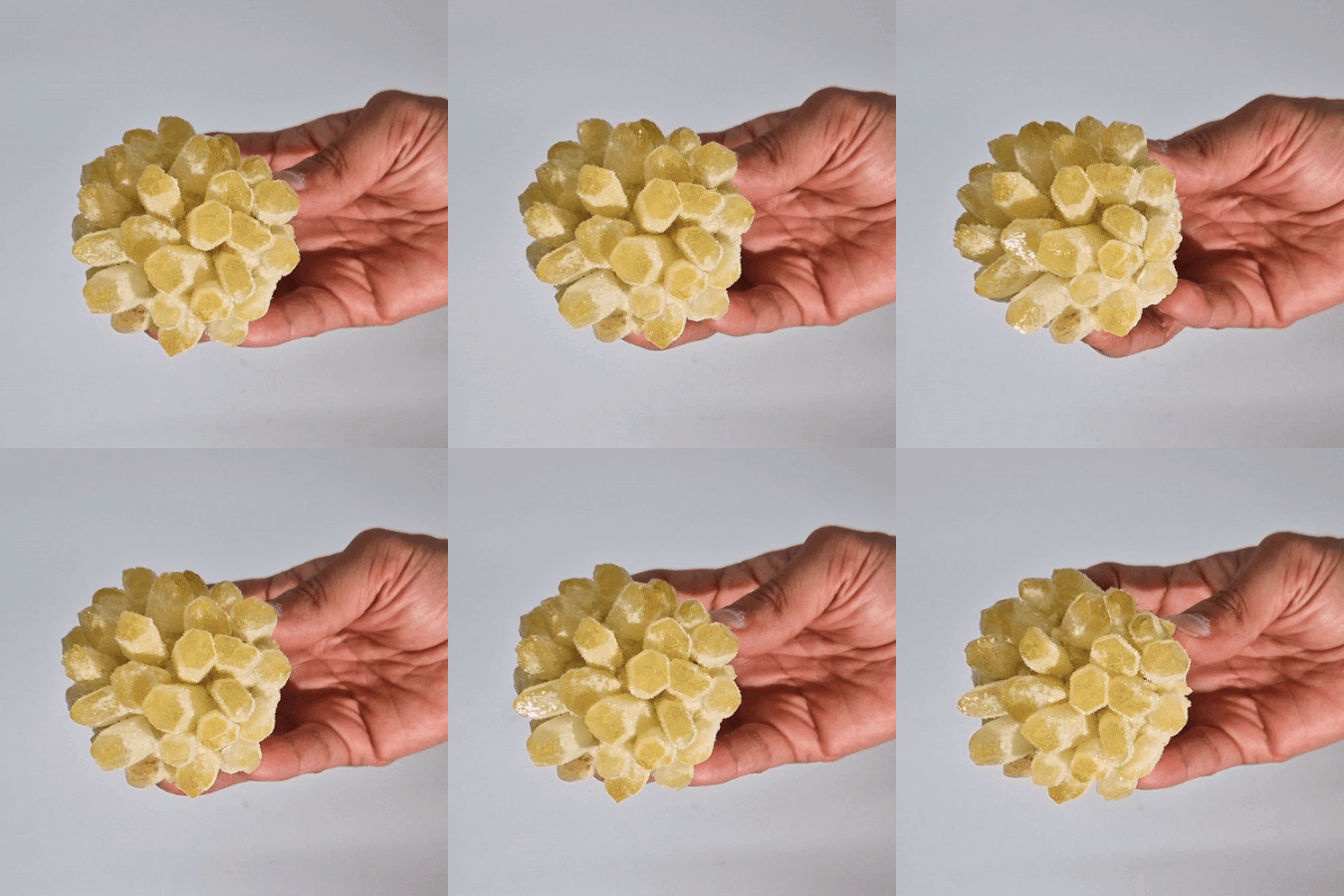
Yellow Ghost Quartz Crystal Cluster, Man-Made
In stockSale price £5200 Regular price £6480Unit price


 £14.40 off


 £5.95 off
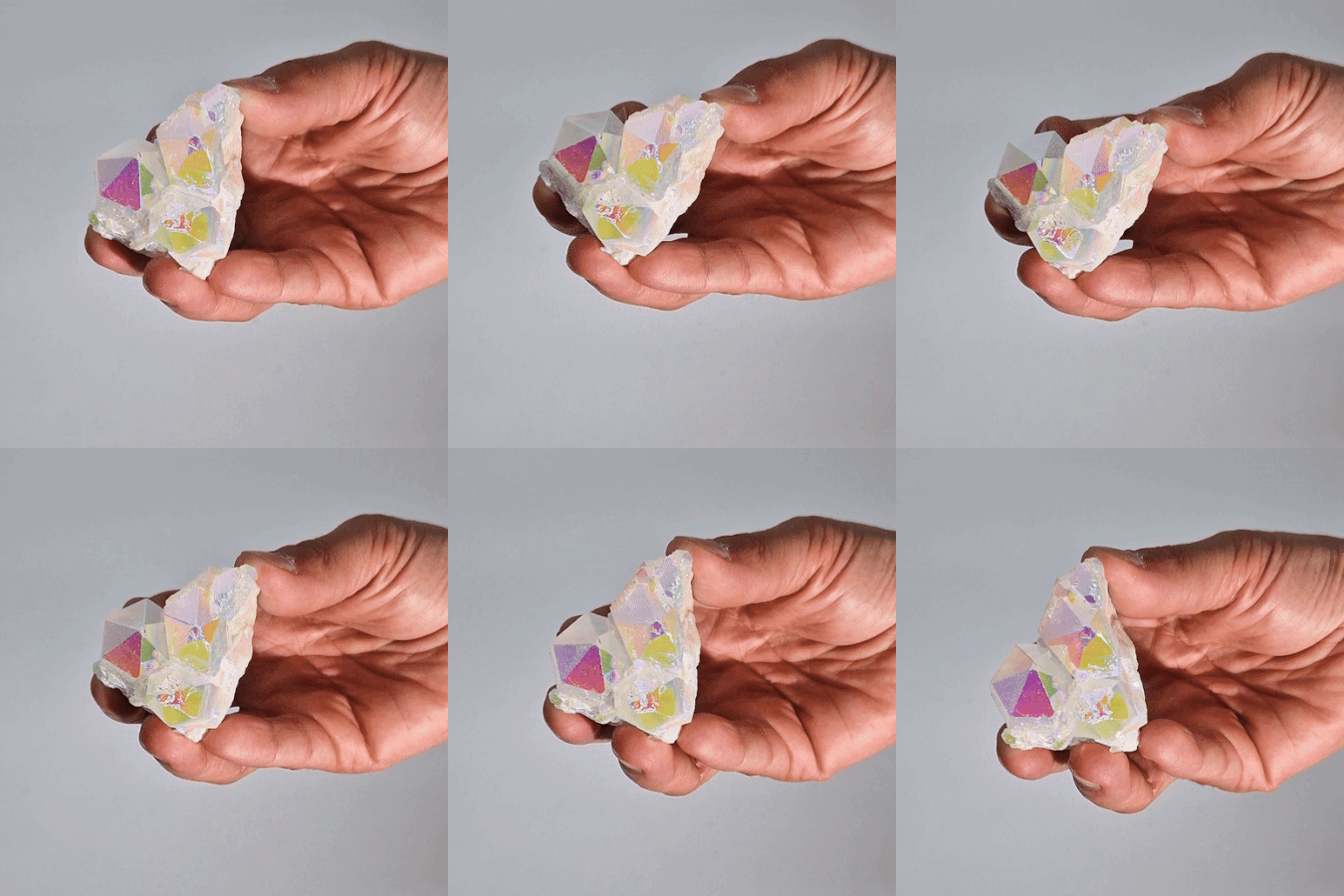
Apophyllite Stilbite Crystal Specimen, 20-30mm — Pack of 6
In stockSale price £2195 Regular price £2790Unit price


 £17.36 off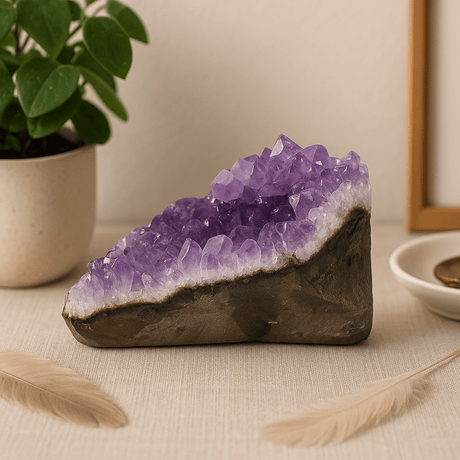

 £10.61 off
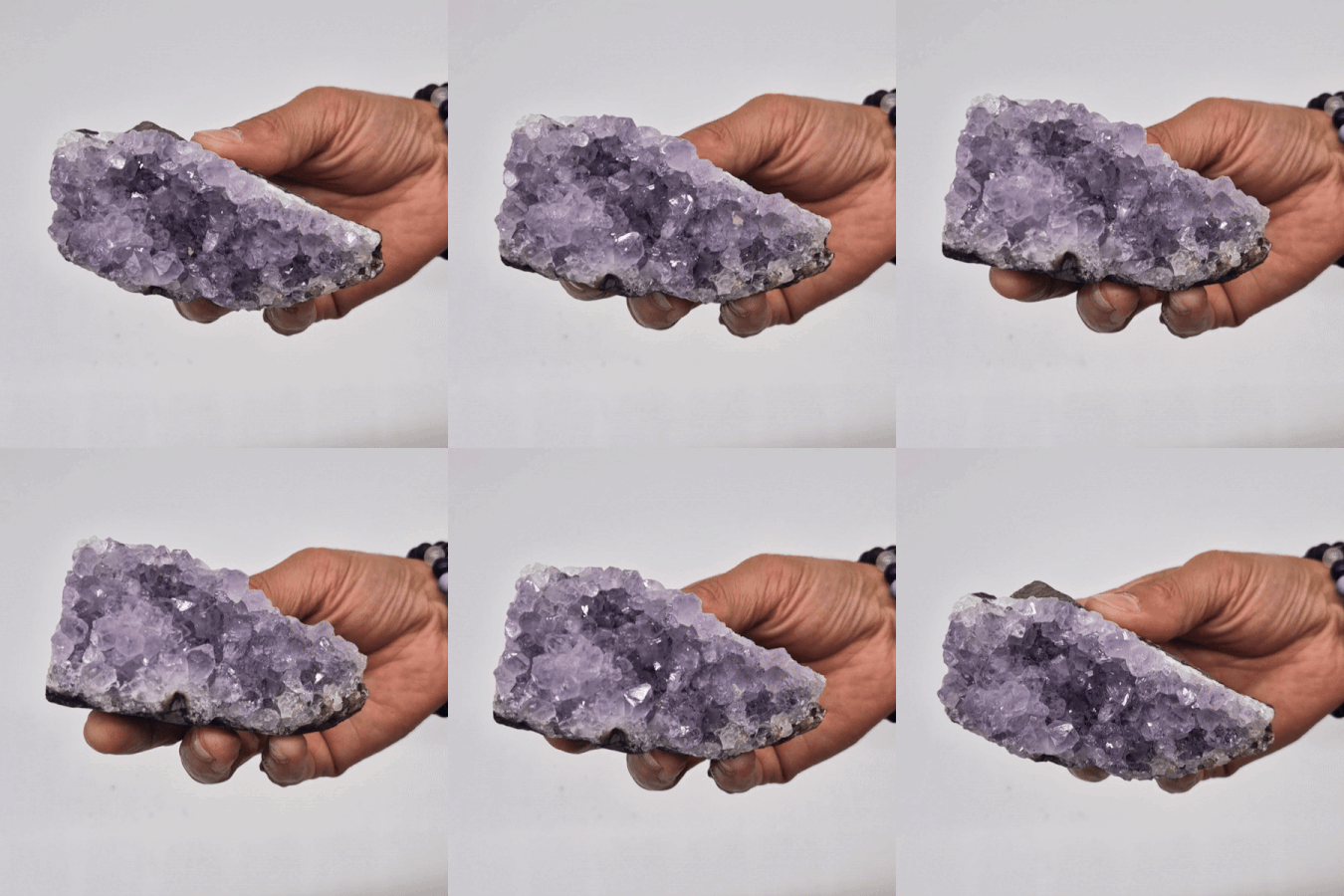
Amethyst Crystal Standing Cluster Natural Medium 350-450g
In stockSale price £4699 Regular price £5760Unit price


Druzy clusters catch and scatter light in a way few other formations can, their tiny crystalline surfaces glinting from every angle as light moves across the room. This collection gathers together the shimmering texture of druzy together with stand-alone crystal clusters and apophyllite specimens — each piece chosen for the way it holds space in a home. Whether you are drawn to the depth of a natural amethyst cluster or the ethereal sheen of a hand-finished aura quartz piece, these specimens invite you to slow down and look.
What is inside this collection
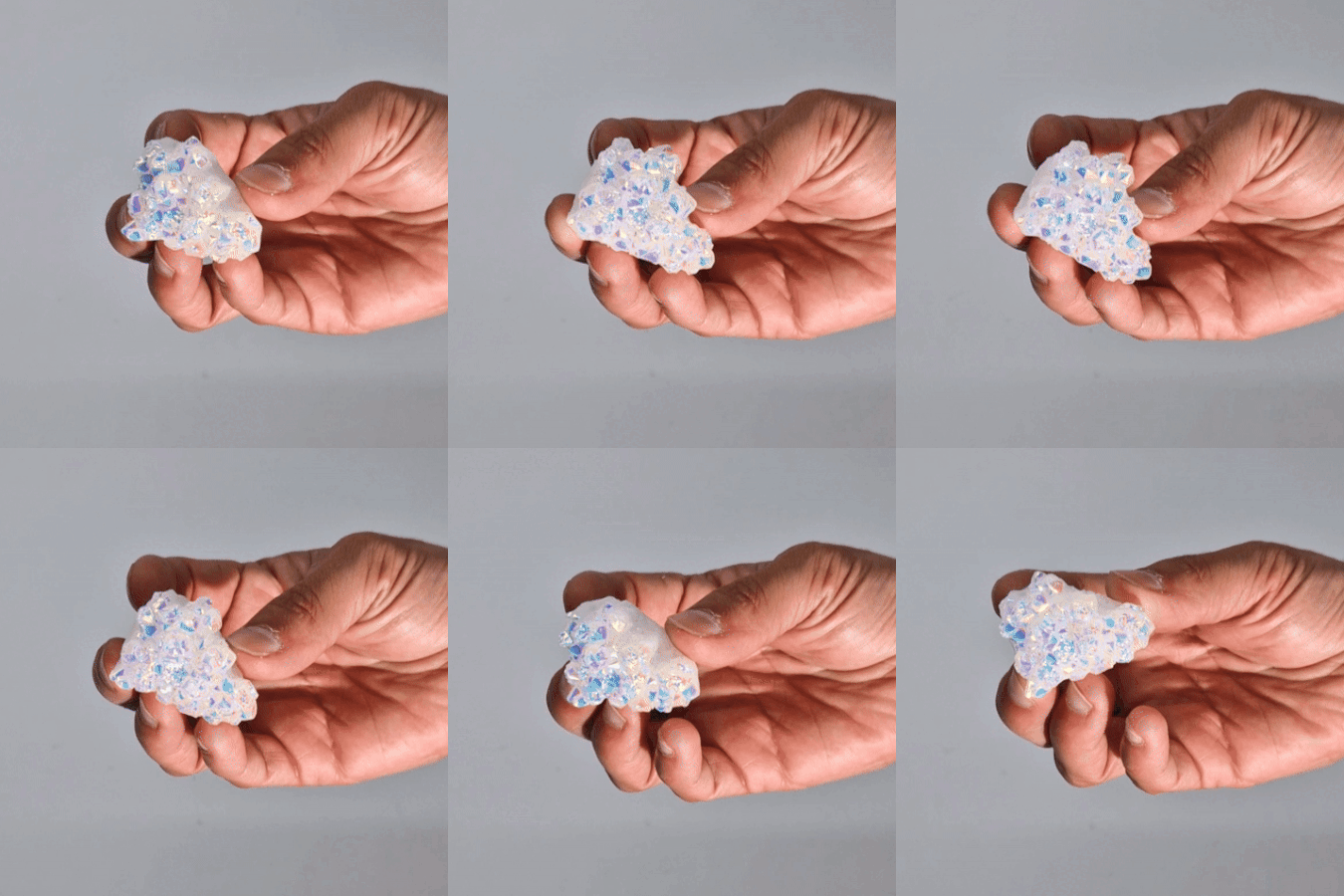
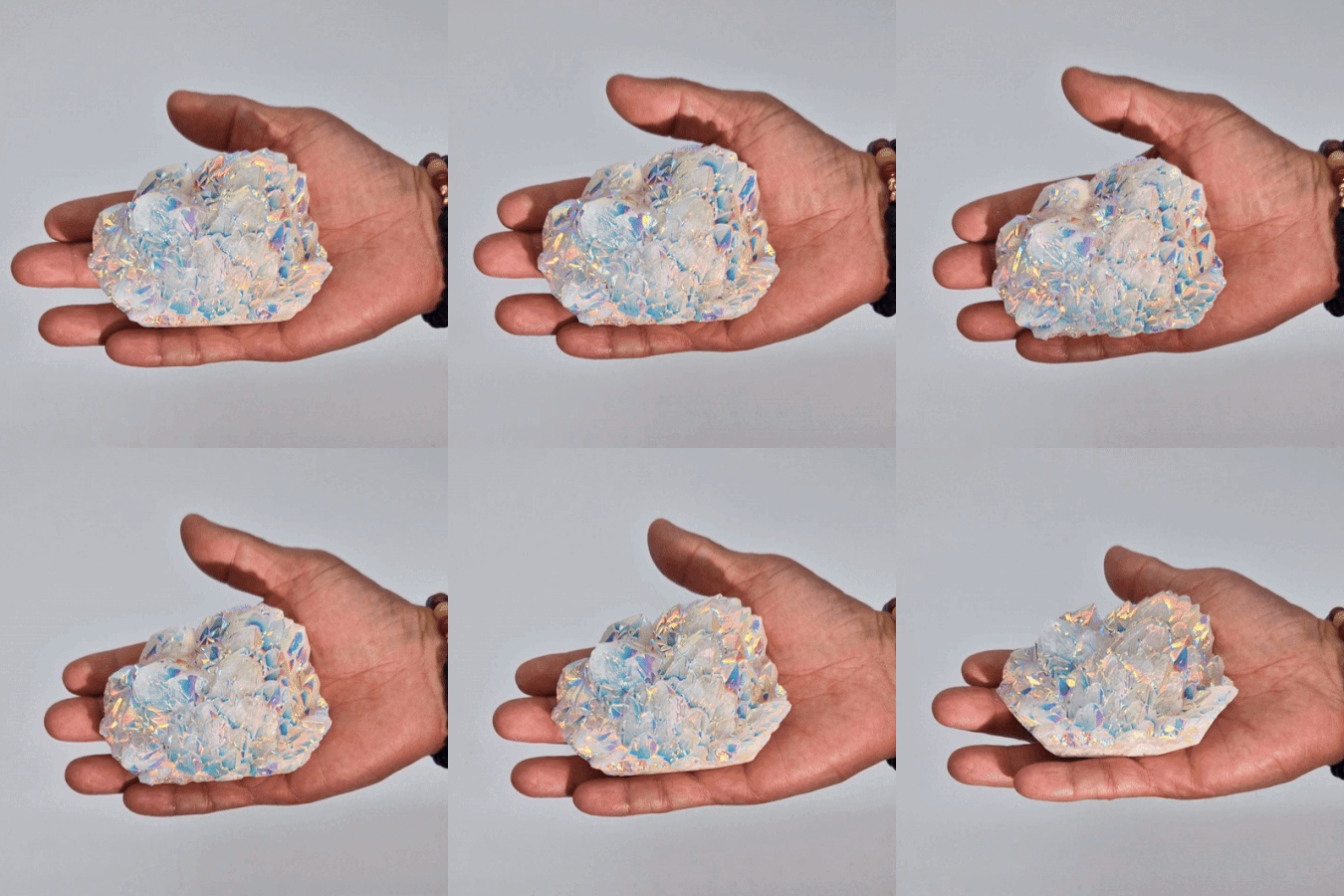
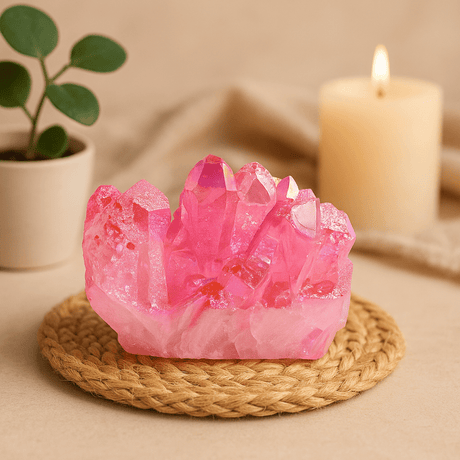
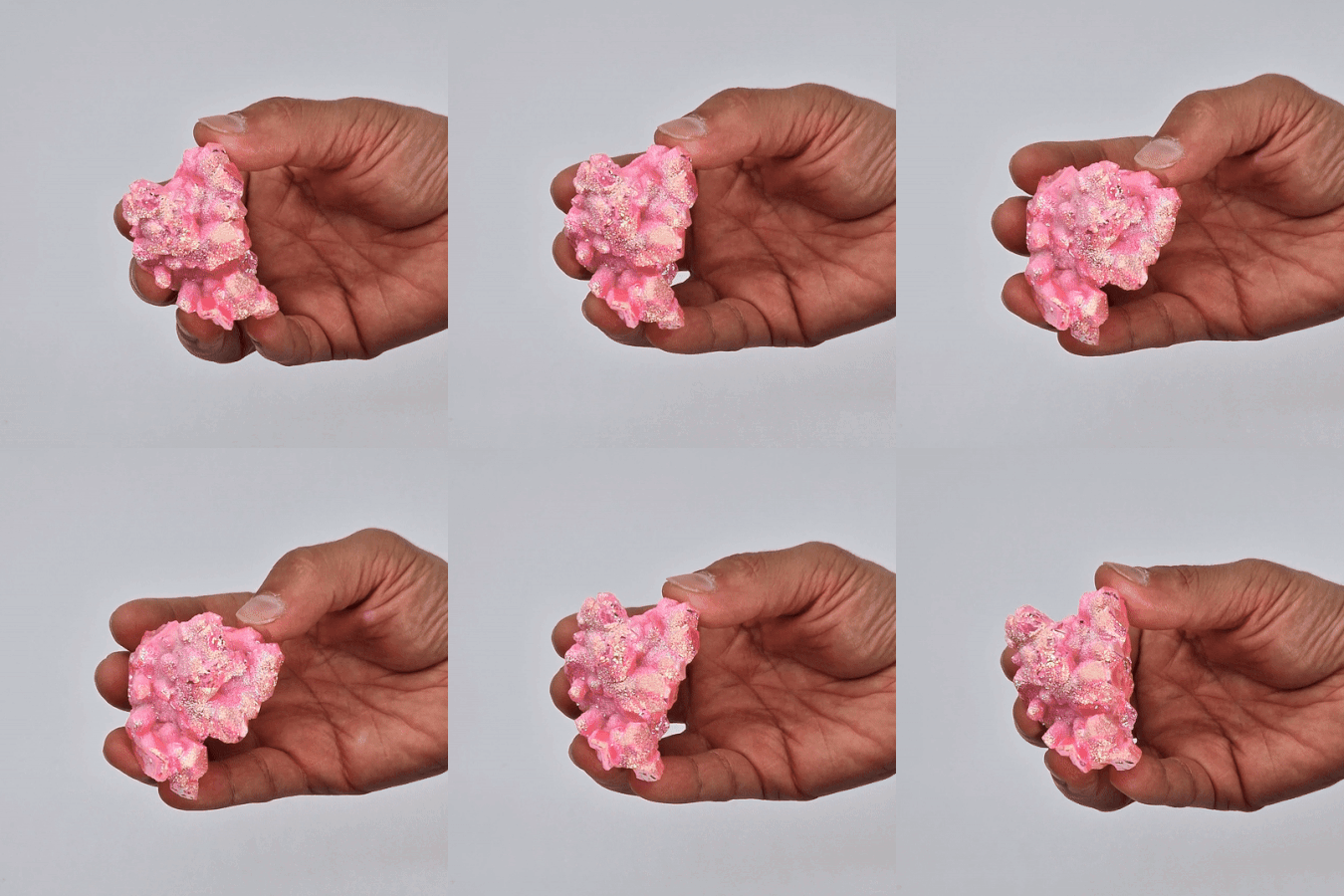
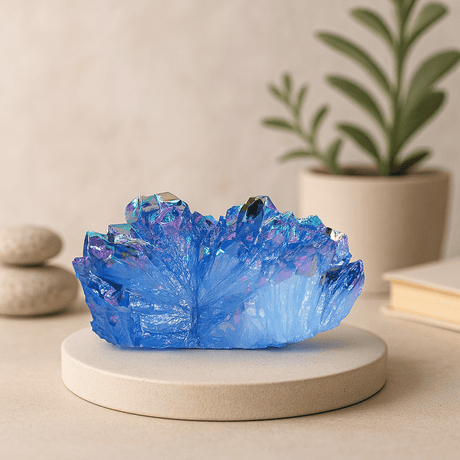
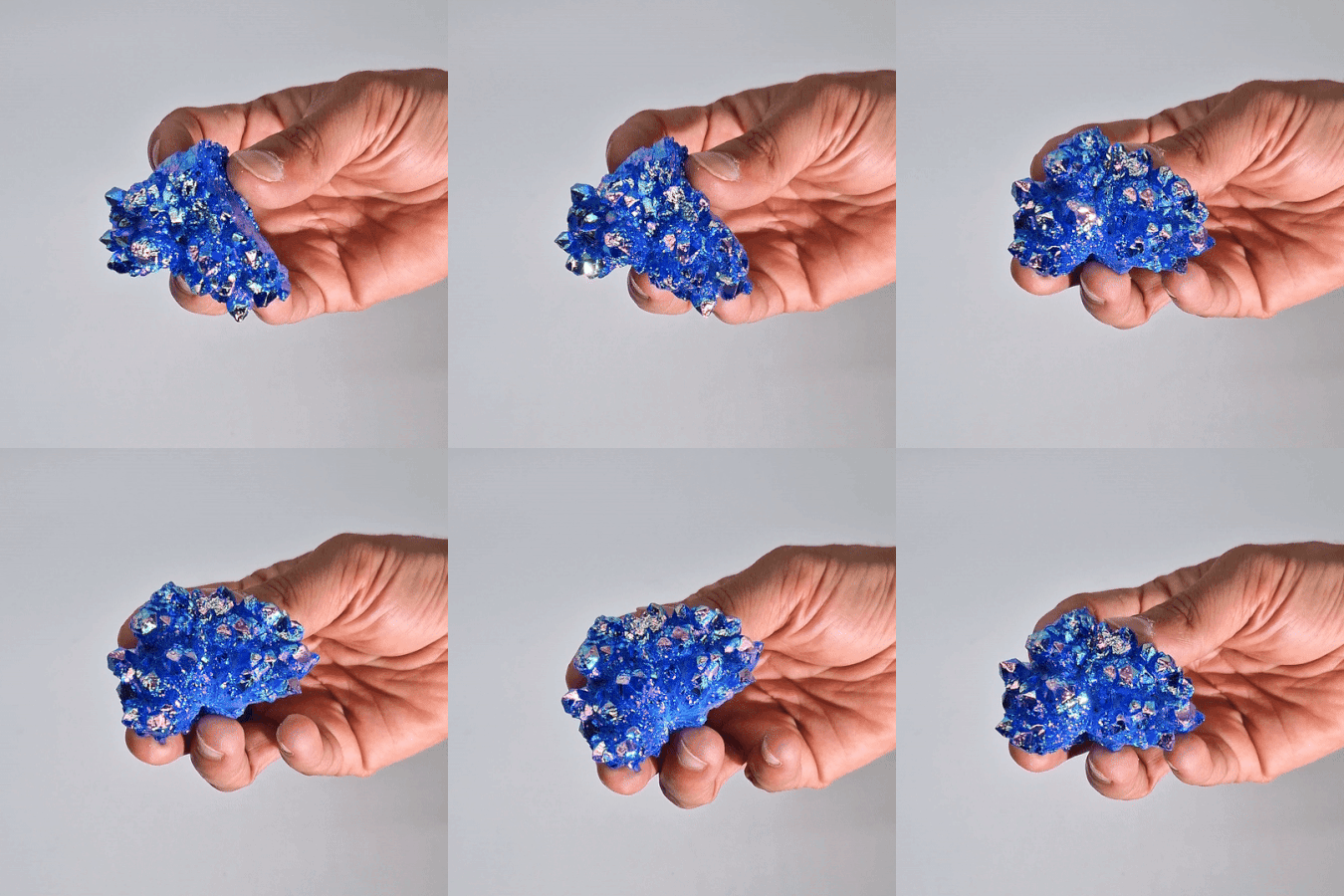
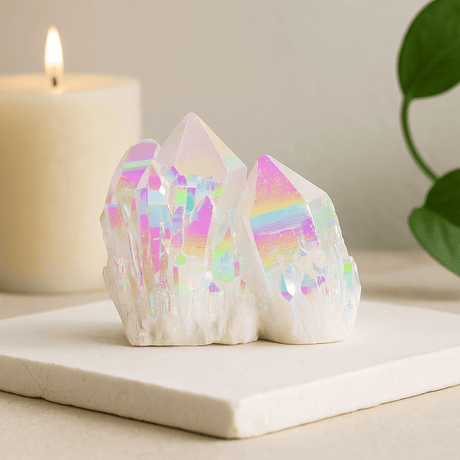
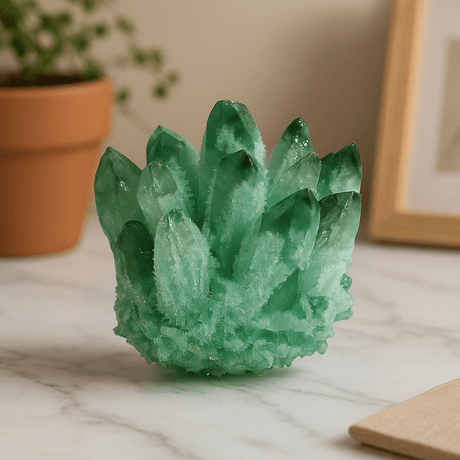
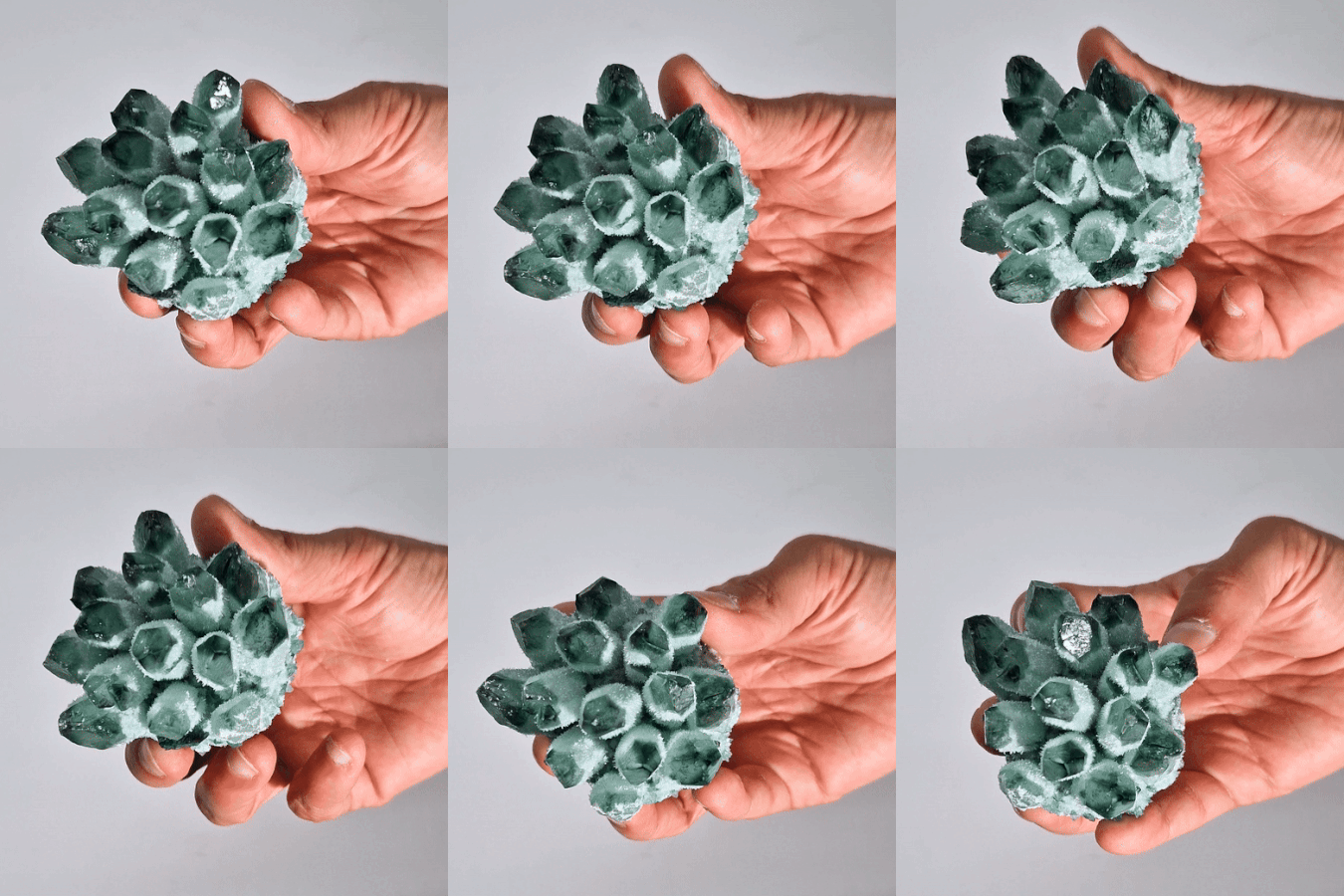
You will find natural crystal clusters in deep amethyst and clear quartz, chosen for their formation, proportion and how they sit when placed on a surface. Alongside them sit man-made aura quartz clusters in rose, silver, emerald and aqua — each one created in a laboratory by bonding precious metals to clear quartz to produce that characteristic iridescent shimmer. Small apophyllite specimens bring a lighter, more translucent quality, with their delicate crystalline structures catching light in an altogether different way. The collection spans both natural formations and crafted pieces, so you can choose according to what matters most to you.
How to choose a crystal cluster
If provenance and rarity matter to you, natural amethyst clusters and clear quartz formations are generally the more sought-after choice. Man-made aura quartz pieces offer vivid, consistent colour at a more accessible price point, and are worth considering if a particular tone fits your space. For apophyllite specimens, the appeal is partly in their translucency and the way light passes through them rather than bounces off — smaller pieces in the 20–30 mm range work particularly well on shelving, bedside tables or in a quiet corner.
Ways to display your cluster
Crystal clusters work well as a focal point on a sideboard, mantelpiece or console table, or grouped with other specimens at varying heights for a more considered arrangement. Amethyst clusters in particular suit spots where the colour can be seen clearly — near a window where natural light can reach the points, or under a lamp that picks up the shimmer. Smaller apophyllite pieces are versatile enough for shelves, windowsills or a bedside table. For a fuller crystal display, you might explore Crystal Trees or pair a cluster with a Natural Crystal Geode to build a layered arrangement. Browse the Shop by Crystal page to find specific stones that call to you, or visit the the Chakra hub for guidance on which crystals are traditionally associated with different energy centres.
Frequently asked questions
What is the difference between a druzy cluster and a regular crystal cluster?
A druzy refers specifically to a coating of tiny crystals that have formed on a rock surface or matrix — the glittery crust you see on a geode face, for example. A crystal cluster, by contrast, is a formation where multiple points have grown together from a single base. Some pieces in this collection are druzy formations, while others are stand-alone crystal clusters; both share the quality of catching light from many angles at once.
Are the aura quartz clusters natural?
The aura quartz pieces in this collection are man-made. They are created in a laboratory by bonding precious metals to clear quartz under heat and pressure, which produces the vivid iridescent shimmer. Natural clear quartz is used as the base, but the aura finish itself is a crafted process rather than one that occurs in nature.
How should I look after my crystal cluster?
Crystal clusters are generally happy on a dry shelf or table, away from prolonged direct sunlight which can fade some specimens over time. A soft brush will remove surface dust. Avoid prolonged water exposure, as most clusters are not fully waterproof — particularly those with a druzy surface, where moisture can become trapped between the tiny crystals. If you are unsure about a specific piece, it is worth checking the individual product listing for care guidance.
Can I use crystal clusters for healing crystals or meditation?
Crystal clusters are popular in crystal healing and meditation practices as a focal point for intention-setting or simply as an aid to stillness. They are not a substitute for professional medical care. Many people find that having a specimen nearby during a practice helps create a sense of calm and intentionality, but how you use them is entirely personal.
What size cluster should I choose for a bedside table?
A small-to-medium cluster — roughly the size of a fist or smaller — generally works well on a bedside table, where space is limited but you still want the piece to be visible and appreciated. Larger clusters are better suited to a mantelpiece, console table or open shelf where they have room to be seen properly. Apophyllite specimens in the 20–30 mm range are particularly well suited to smaller surfaces such as bedside tables and windowsills.