


 New arrival
Premium Brass Tibetan Tingsha - Plain Traditional - approx 7.5cm (345gm)
Regular price £3895Unit priceIn stock


 New arrival
Premium Brass Tibetan Tingsha - Seven Chakra - approx 7cm (255gm)
Regular price £3195Unit priceIn stock


 New arrival
Premium Brass Tibetan Tingsha - Lucky Symbols - approx 6cm (155gm)
Regular price £2195Unit priceIn stock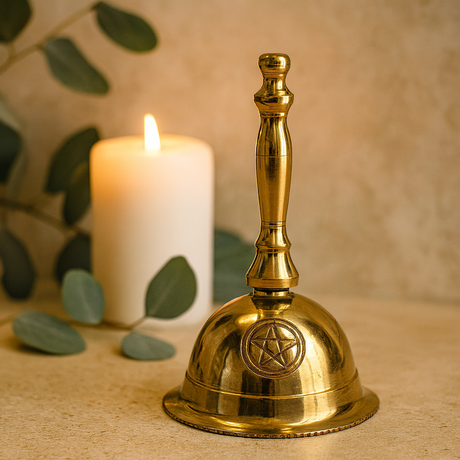
 £2.90 off
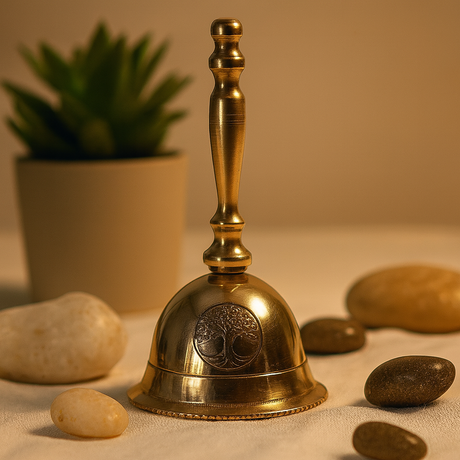
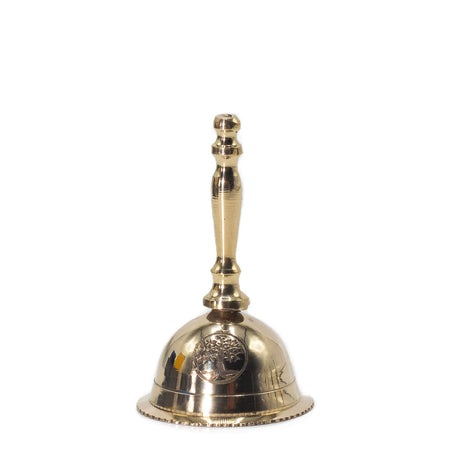
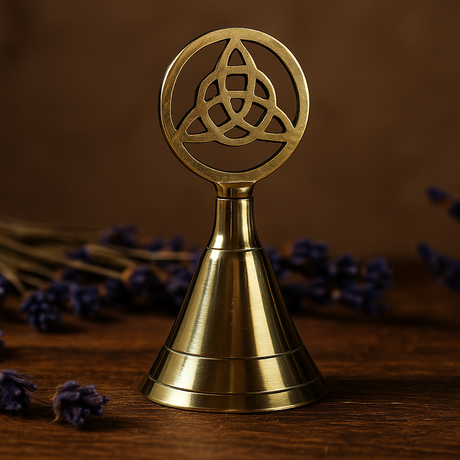
Brass Altar Bell – Triquetra Celtic Ritual Chime
Sale price £1495 Regular price £1785Unit priceIn stock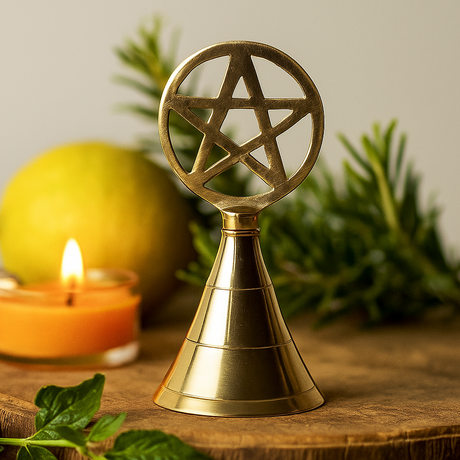
 £2.90 off
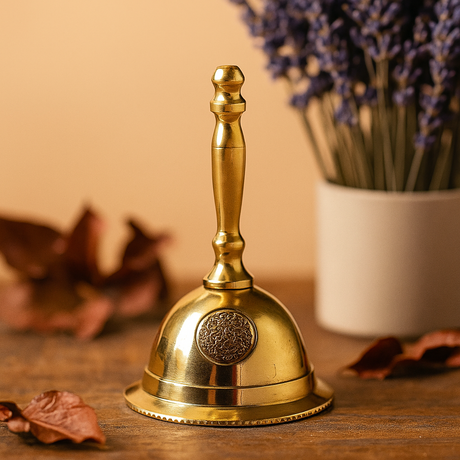
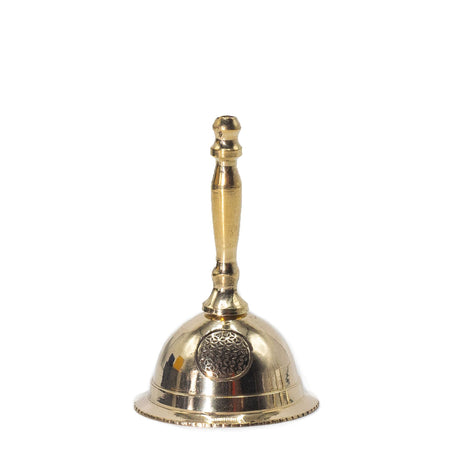
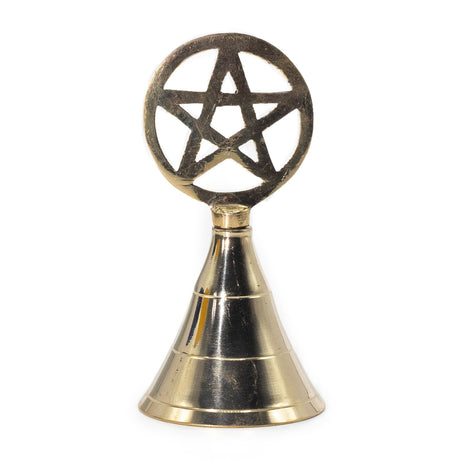
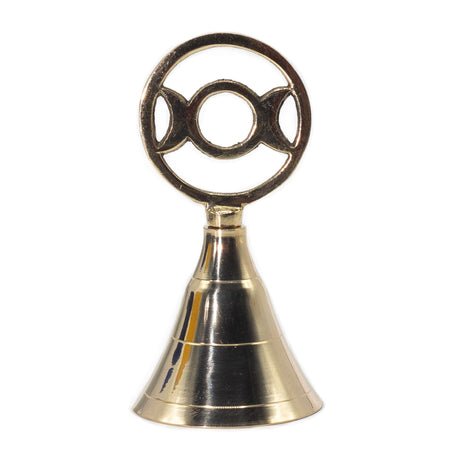
Solid Brass Pentacle Altar Bell Wiccan Ritual Chime
Sale price £1495 Regular price £1785Unit priceIn stock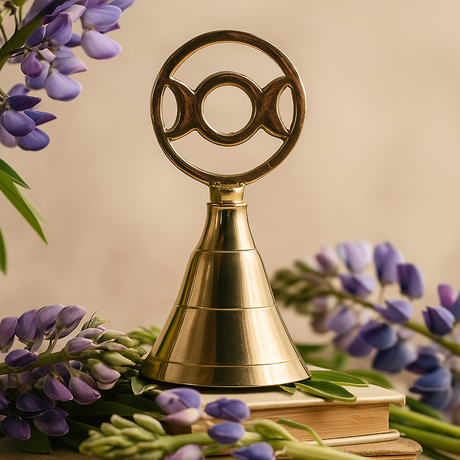
 £2.90 off


 £4.01 off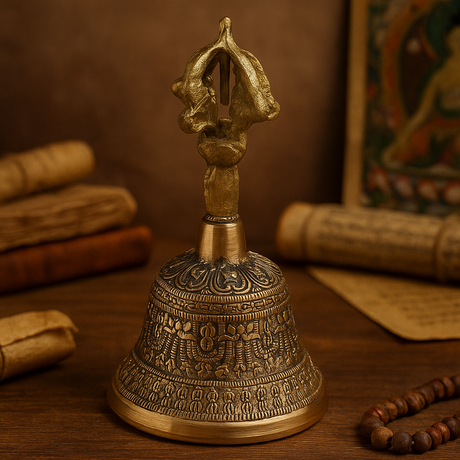


 £7.55 off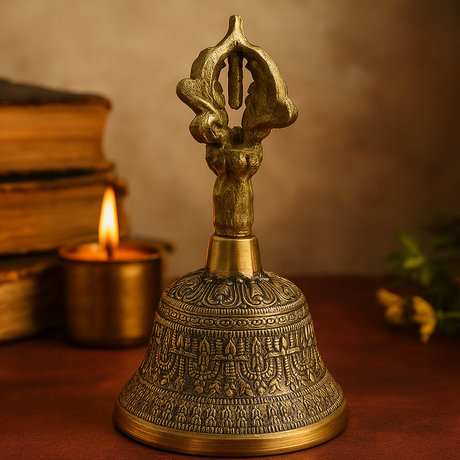


 £4.86 off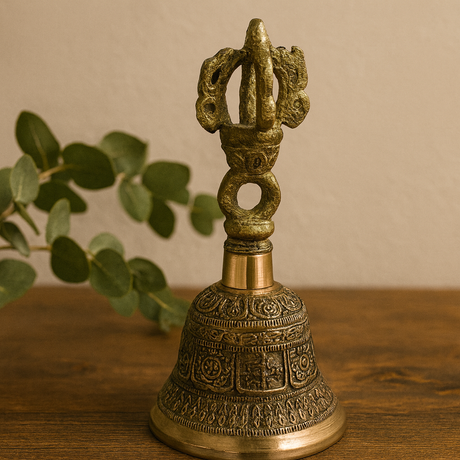
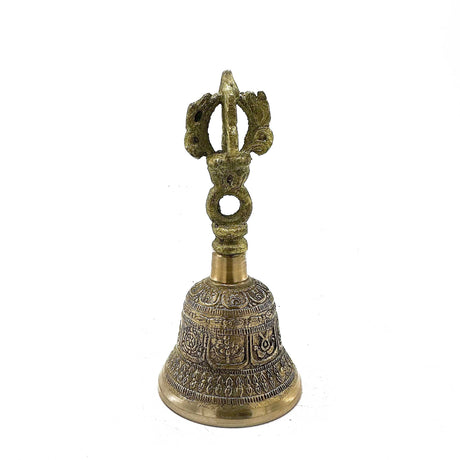


 £3.13 off


Tibetan bells have been used for centuries in contemplative practice across the Himalayas — their clear, sustained tone acting as a gentle signal to shift attention, mark a transition, or simply bring the room to stillness. Also known as tingshas when made as paired cymbals, these hand bells distil centuries of craft into a small, wearable object that rewards attention. Whether used on a meditation cushion, an altar, or simply placed where light catches the brass, they carry that particular quality of sound that makes the mind stop reaching for the next thing.
What's inside the collection
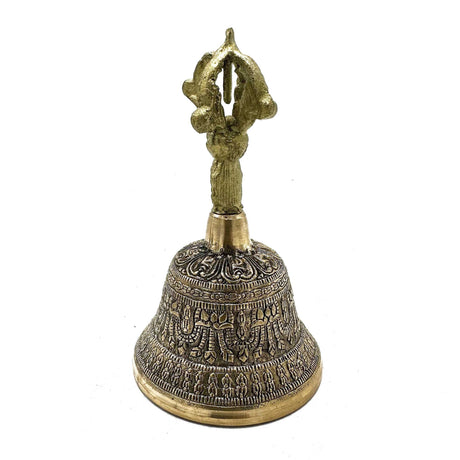
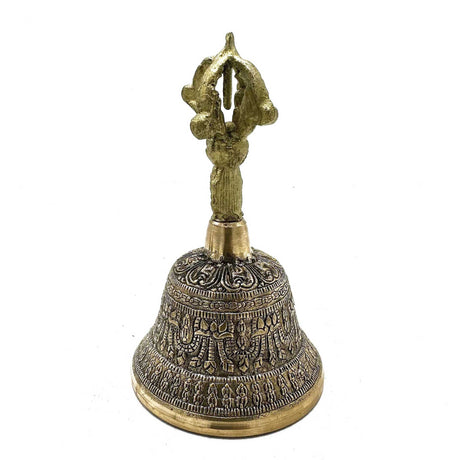
This is a collection of handcrafted brass Tibetan bells in a range of sizes — from compact tingshas around 6–7 cm to larger altar bells reaching 15 cm in height. You'll find plain traditional tingshas alongside decorated versions bearing lucky symbols, seven-chakra engravings, and tree-of-life motifs. Solid brass altar bells and ritual chime bells round out the selection, each with its own character in tone and finish. Every piece is sized in centimetres, so you can match the bell to your hand and your practice before it arrives.
How to choose a Tibetan bell
Size matters in two ways: how it feels in the hand, and how it sounds in the room. Smaller tingshas and bells under 8 cm are ideal if you want something portable — easy to slip into a cushion bag or hold during a walking meditation. Larger altar bells tend to produce a fuller, more resonant tone that fills a room, making them better suited to a fixed altar or a dedicated meditation space.
For decoration, consider whether you prefer the simplicity of a plain traditional tingsha or something with more symbolic detail. Engraved motifs such as the seven-chakra design or lucky symbols can add a personal layer of meaning to your practice without overwhelming the form. If the bell is for ritual use alongside other instruments — say, alongside a singing bowl or a gong — a complementary tone and size will help the sounds layer rather than compete.
Ways to use your bell
Tibetan bells are among the most versatile instruments in a slow-living home. On an altar, a brass altar bell becomes both object and tool — struck at the beginning or end of a ritual to mark the threshold between ordinary time and intentional practice. As hand bells for meditation, they are struck once to open a session, then placed within reach to sound again when the mind wanders. Some practitioners use tingshas as a focus for setting an intention: the moment of hearing the tone becomes the moment of the commitment.
Beyond the cushion, small bells bring warmth to a shelf or bedside table — brass catches the light and the tone is light enough not to disturb sleep while still carrying far enough to call the room to attention. If you are drawn to the broader world of resonant instruments, tingshas and altar bells pair naturally with sound healing instruments such as singing bowls, handpans, and tongue drums — each bringing a different texture to shared practice.
Frequently asked questions
What is the difference between a Tibetan bell and a tingsha?
Tingshas are a specific type of Tibetan bell made from two small brass cymbals joined by a leather cord — struck together to produce a clear, singing tone. Tibetan bells in this collection also include altar bells and chime bells, which are struck against an external surface. Both are used in meditation and ritual practice, but they differ in form and the way they are held.
What are Tibetan bells made from?
The bells in this collection are made from brass — a traditional material for Himalayan bells and tingshas. Brass produces a warm, resonant tone and develops a natural patina over time. The exact alloy can vary between pieces, which is part of why each bell has its own character in sound and feel.
How do I clean and care for a brass Tibetan bell?
Brass naturally darkens with age and handling, which many people welcome as part of the bell's character. If you prefer to keep it bright, a soft cloth and a little mild brass polish will restore the shine. Avoid harsh chemicals or abrasive cloths, as these can affect the tone by altering the surface of the metal. Store tingshas with the cymbals separated to avoid accidental resonance, and keep all bells away from prolonged moisture.
What size Tibetan bell should I choose for meditation?
For seated meditation where the bell is held in the hand, a smaller tingsha or bell around 6–8 cm is most comfortable. For altar use or a room where you want a fuller resonance, a larger altar bell of 10 cm or more will carry further and feel more substantial as an object. If you are unsure, err towards a size that feels balanced in your grip — a bell that sits well in the hand tends to produce a more confident tone.
Do Tibetan bells come with a striker or are they used as tingshas?
Tingshas — the paired cymbals — are struck together by hand and do not require a separate striker. Single altar bells and chime bells are struck using a small wooden or soft mallet, which is typically included with the bell. Check the individual product listing for details on what is included with your chosen piece.