There is a small, settling moment when you draw a card, turn it over, and let the image meet whatever you have been carrying that day. Oracle cards are made for moments like that. Less a forecast than a quiet prompt, they give you a picture and a few words, and ask you to slow down long enough to notice what they stir. This is a beginner-friendly guide to the enchanting world of Oracle Cards, what they are, how to choose a deck, and how to sit with one as a practice for reflection and gentle self-discovery.
What are Oracle Cards?
Oracle Cards are not just tools of divination; many people use them as prompts for self-reflection and personal growth. An Oracle deck typically holds around 30 to 60 cards, though some decks have far more or fewer, unlike the more structured 78-card Tarot deck, which keeps the same fixed system every time. Each Oracle deck is its own world, with themes ranging from nature and animals to angels and the chakras. The cards usually pair symbolic imagery with a short, reflective message meant to invite an intuitive response. Whether you're seeking guidance, affirmation, or a reflective moment, Oracle Cards can be a calm companion, not because they decide anything, but because they give your attention somewhere to land.
The many faces of the oracle: types of Oracle Card decks
Oracle Cards come in a wide variety, each with its own imagery and lens. Here are a few of the most popular kinds.
Angel Oracle decks
Angel Oracle decks draw on angelic imagery from a long devotional tradition, leaning on themes of comfort, hope, and protection. The artwork is usually soft and luminous, and the messages tend towards reassurance. In this tradition, a card might be read as a reminder to feel supported in an uncertain moment. A card showing Archangel Michael, for instance, is often taken to evoke a sense of steadiness and courage, a prompt to gather yourself, rather than a promise about what will happen.

Animal Spirit decks
Animal Spirit decks draw on the symbolism many cultures have woven around animals. Each card carries a creature and the qualities it has long been associated with, offered as a way to reflect on your own traits and instincts. In this tradition, the animals work as totems, mirrors for something you already sense. A Wolf card, for example, is often read as a nudge to trust your instincts and lean on your closest connections.

Love Oracle decks
Love Oracle decks turn towards relationships and feeling. These decks draw out themes around romantic love, self-love, and emotional life, and people often reach for them as a tool for reflection and self-awareness when something tender is on their mind. They can support emotional processing, a quiet way to name what you are feeling rather than a verdict on anyone's heart. A card of two intertwined hearts, for instance, might invite you to consider where you long for more openness, or where a bond is deepening.

Chakra Oracle decks
Chakra Oracle Decks focus on the seven chakras, the energy centres described in the yogic tradition, offered here as a framework for reflection rather than a claim about the body. Each card relates to one chakra and gives a prompt for noticing where you feel settled and where you feel out of balance. People use these decks for self-awareness and to think through what might be sitting heavily. A card linked to the Throat Chakra, for instance, might be read as an invitation to speak more honestly or express something you have been holding back.

Moon Oracle decks
Moon Oracle decks follow the phases of the moon, and the lunar imagery is meant to evoke the rhythm of cycles, beginnings, fullness, release. People use them to reflect on their own patterns and emotional tides, and they are popular for marking the new and full moon. A Full Moon card, in this tradition, is often read as a moment of culmination or letting go, a cue to pause and take stock, with what you do next left entirely to you.

Choosing your Oracle deck: a personal choice
Choosing an Oracle deck is a little like finding a good companion. Look beyond the prettiest artwork to the deck you actually keep returning to. Notice which theme speaks to where you are right now, a nature or animal deck if you are after grounding, an angel deck if you want comfort, a moon deck if you are drawn to cycles and timing. The right deck is simply the one you will pick up and sit with. Beginners often find a smaller deck easier to settle into.
Using your Oracle Cards: a simple practice
Working with Oracle Cards is an unhurried, intuitive thing. Here is a step-by-step way to begin, keeping in mind that the ritual is there to serve your attention, not to be got right.
Create your sacred space
- Find a quiet, comfortable spot where you won't be disturbed.
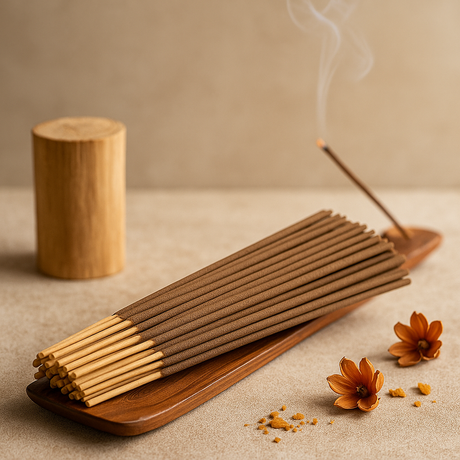
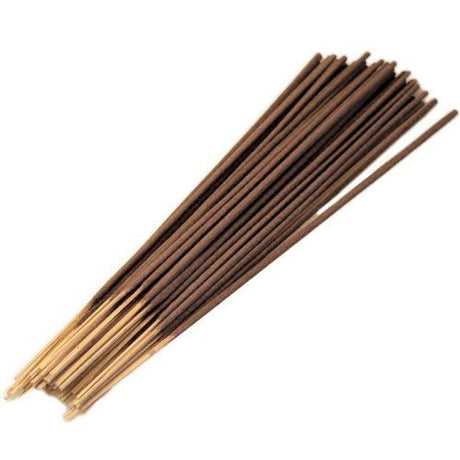
- If you like, set the ambiance with candles, incense, or soft music to create a serene atmosphere conducive to introspection.
Cleansing your deck
- Many readers like to mark a fresh start before the first reading, and now and then afterwards. You might do this by passing each card through the smoke of sage, by using the smoke of sage or palo santo, by leaving them in moonlight, or simply by holding the deck and picturing it settling. None of this is required, think of it as a small ritual that helps you arrive.
Setting your intention
- Take a few slow breaths to centre yourself.
- Hold the deck and set an intention, or ask a question you would like to reflect on. It can be specific or open-ended.
Shuffling the cards
- Keeping your question in mind, shuffle the deck. There's no right or wrong way; do what feels natural.
- Carry on until it feels like time to stop, trusting your own sense of it.
Drawing the cards
- Draw a card or two, the top card, one that slips out while shuffling, or any you feel drawn to.
- If you're starting out, a single card is a lovely way to keep your reading focused.
Interpreting the cards
- Look at the card closely. Notice its images, its colours, and the feelings it brings up.
- Read the message on the card, if there is one, and see how it sits with your question.
- Trust your first honest reaction, it is often the most telling.
Reflect and journal
- Spend a little time with the card's message. How might it apply to where you are right now?
- You may find it helpful to write a line or two in a journal. Over time, these notes can quietly reveal a pattern.
Closing the session
- When you've finished, take a moment to close the practice in whatever way feels right to you.
- Store your cards in a safe and respectful place, such as a special box or cloth, so they stay a thing apart from the everyday.
Common questions
Can I use Oracle Cards to predict the future?
We'd gently steer you away from that idea. Oracle Cards are a tool for reflection and present-moment insight, not prediction. The reading doesn't decide anything, you do. Used this way, a card becomes a prompt for noticing what you already feel and a nudge towards a clearer choice, with you holding the pen the whole time.
What if I don't understand a card's message?
It's perfectly fine if a card's meaning isn't immediately clear. Sit with the imagery and how it feels to you. Journaling can help deeper meanings surface, and sometimes understanding unfolds days later. A card that puzzles you today may be the one that lands most clearly next week.
How can I refresh my deck?
You might pass the deck through the smoke of sage or palo santo, rest it on a windowsill under the full moon, or simply set an intention and picture the cards being surrounded by light, visualising them settling. Think of it as a small way to mark a fresh start before a reading, a ritual that helps you arrive, rather than something the cards need.
An unfolding practice
That's where this guide ends, but your own practice with Oracle Cards is only beginning. Treat it as a quiet space for reflection, a chance to slow down, ask an honest question, and notice what the image brings up in you. Start plainly, add whatever helps you settle, and let the cards do what they do best: give your attention somewhere kind to rest, one card at a time.