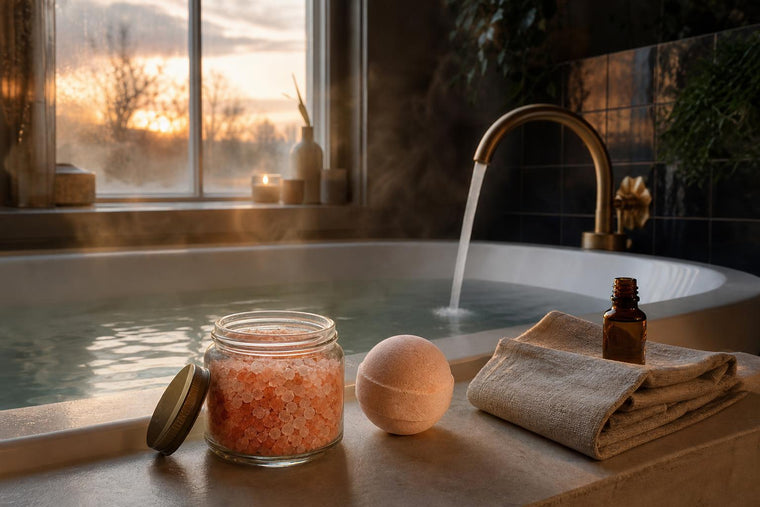
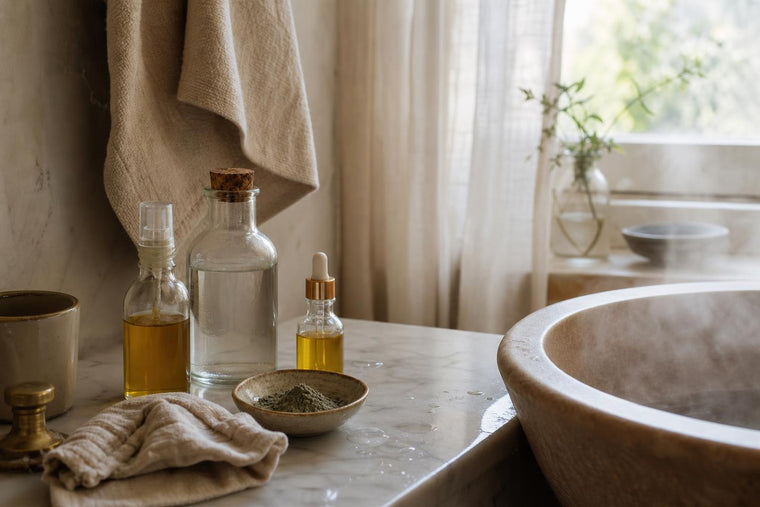
Draw the bath before you decide whether you deserve it. Let the tap run, let the sound of water filling a tub be the only task on your list for the next hour, and let one evening a week be the evening when nothing else is asked of you.
This is the practice: not a spa treatment, not an occasional indulgence, but a weekly reset kept on the same day, in the same order, until the order itself becomes part of what settles you.
Why Sunday
The idea of setting one day apart from the rest is older than any modern notion of self-care. The seven-day week itself did not begin with Rome; it reached the Mediterranean by way of Babylonian astrology and the Hellenistic world, where each day already carried the name of a heavenly body. Rome inherited the rhythm rather than inventing it, and it was Rome that first gave one day within that week a special legal standing: in 321 CE the emperor Constantine issued an edict restricting court business and public activity on dies Solis, the day of the sun, a limit on work, not yet the full day of rest that later Christian tradition would make of the Sabbath. Empires pass. The habit of keeping one day different from the other six has outlived the empire that first wrote it into law, and it is still there, quietly, in the shape of your own week.

Sunday does not have to carry any particular belief to earn this. It only has to be the day you protect.
Wash First, Then Soak
Clear the bathroom of anything that does not belong to this hour. Light an incense stick and let the smoke do its slow work while the room empties of the day. Then shower, properly, before the tub is even run. Wash your hair, wash your skin, rinse until the water off you runs clean. This is the principle behind the Japanese ofuro, where washing and soaking are kept as two separate acts: you clean the body under running water first, and only then does the tub become a place to rest in, rather than a place to sit in what you have just washed away.
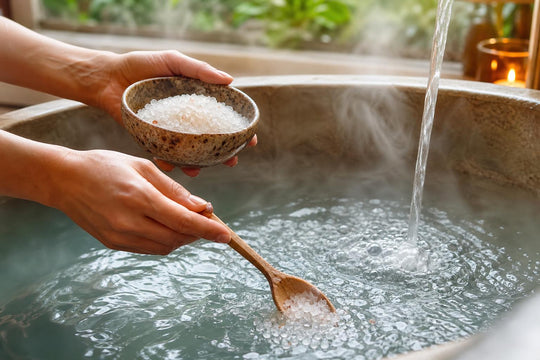
Now fill it. Warm, not scalding, with a handful of Epsom salt dissolved in as it fills, or Himalayan bath salt if you would rather the water carry a different mineral colour and weight. Epsom salt takes its plain English name from a town whose mineral spring was known for easing tired limbs long before anyone called this a ritual. Let the water finish filling before you get in. There is no need to rush a thing you have set an entire evening aside for.
The Half Hour in the Water
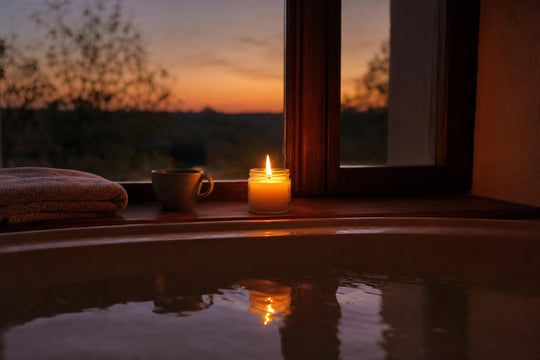
Steep a pot of tea before you undress, so it is waiting for you afterwards rather than an errand you have to run cold and wrapped in a towel. Set a candle where you can see it from the tub, not for its scent alone but as a small, steady point for the eye to return to when the mind wanders, which it will.
Once you are in the water, use your hands. Press along your forearms, your shoulders, the base of your neck, the way a firm massage works a knot rather than the way a light touch merely grazes it. This kind of vigorous hand-pressing after bathing has a long history of its own: the English word we now use for washing the hair, shampoo, comes from a Hindi word meaning to press or knead, carried into the language through exactly this kind of bathing and massage tradition. You are, without quite meaning to, repeating something with real roots.
Stay in until the water starts to lose its heat, not a minute before.
Afterwards
Dry off without hurrying. Dress in whatever feels like the end of the week rather than the start of the next one. Pour the tea, still warm if you timed it right, and drink it sitting down rather than standing at a counter. If you keep a mala, this is a good moment for a short round of japa, counting bead by bead until the mind quietens on its own rather than being told to; if you don't, simply sit with the cup for as long as it takes to finish it.
Then put the candle out. Not because it has burned long enough, but because you choose the moment it ends, the same way you chose the moment the whole evening began. That small act of deciding, rather than merely stopping, is most of what a weekly reset actually gives you: one evening in seven where you are not carried along by the day, but the one setting its shape.

 United Kingdom


 China