


 £1.39 off

 £1.39 off


 £1.39 off


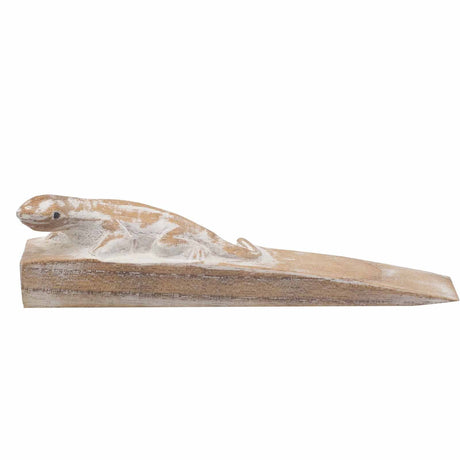
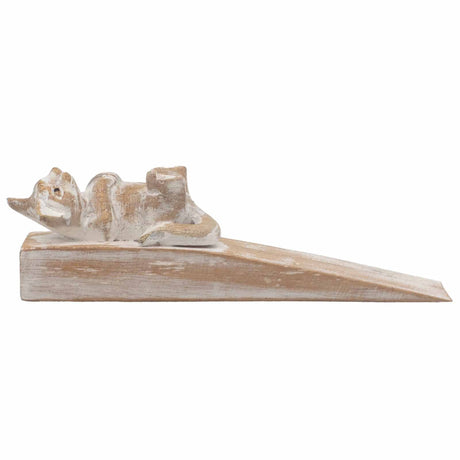
Hand-carved wooden door stops bring quiet intention to rooms that are easy to overlook. While a door swings open and closed dozens of times a day, the object that holds it still deserves a second look — and these handcrafted animal forms reward exactly that. Cast in solid wood and shaped by hand, each piece carries the grain, the weight, and the slight idiosyncrasy that machine-made décor simply cannot replicate.
What is a door stop?
At its most practical, a door stop is a weighted object placed behind a door to prevent it from swinging too far, damaging a wall, or disturbing a draught. These ones do that — and then go further. Carved from wood into animal forms including a gecko, a baby seal, a whale, a kitten, and a dormouse, each piece is a small sculpture as much as a functional addition to your boho home. The animals lend character; the wood lends warmth. No two pieces are identical, because each one carries the marks of the hands that shaped it.
Choosing the right door stop for your space
Weight matters. A compact door stop works well for lighter interior doors; a heavier piece is better suited to solid external doors or heavy timber. As you browse, consider the door you are trying to hold — its size, its weight, and how often it moves. Beyond function, think about the animal and the room. A dormouse feels at home in a study or reading corner; a kitten suits a family kitchen; a seal or whale is a natural companion for a bathroom with a coastal influence. The wood tones warm most palettes, so you can choose for personality as much as for practicality.
How to style a door stop in your home
These pieces earn their place not just at the threshold but anywhere a door needs holding — and anywhere a room needs a moment of visual interest. Tuck one beside a glazed door to keep it from swinging into a plant, or position a wooden stool or side table and let the door stop nestle alongside it as part of a styled vignette. In a boho or eclectic interior, a hand-carved animal door stop softens the practical edges of a room and introduces an organic, tactile note that pairs naturally with woven textures, natural fibres, and reclaimed wood surfaces. A brass door knocker on the same door as a wooden animal door stop creates a pleasing contrast between cool metal and warm wood — two materials, two textures, one considered whole.
Frequently asked questions
What are these door stops made from?
Each piece is hand carved from solid wood. The exact species of wood may vary between pieces, as the collection draws from artisan makers, but every door stop is crafted from natural timber — no hollow resin, no plastic bases. The grain you see is the wood itself.
How heavy are they?
Weights vary by individual piece and the animal they represent. Larger animal forms tend to be heavier; smaller ones are better suited to lighter interior doors. Check the individual product listing for specific measurements and weight details before choosing for a heavy or external door.
Can I use a wooden door stop outside?
Wood is a natural material and will absorb moisture if left exposed to the elements. These are best suited to indoor use — porches and covered entrances may work, but prolonged exposure to rain will affect the wood over time. For outdoor thresholds, a stone or metal door stop would be more appropriate.
How do I care for a wooden door stop?
Wipe clean with a soft, dry cloth. Occasionally, you may apply a small amount of natural furniture wax or oil to the wood to maintain its colour and prevent it from drying out. Avoid placing it in damp areas such as an unventilated bathroom corner for extended periods.
Is each piece unique?
Yes. Because each door stop is hand carved, no two are exactly alike. Variations in grain, tone, and the precise shape of the animal form are natural characteristics of the craft — and part of what makes them appealing. If you order more than one, expect each to have its own individual character.