
Tibetan Singing Bowl 16cm Mantra Healing Engraved
 Ships from the UK
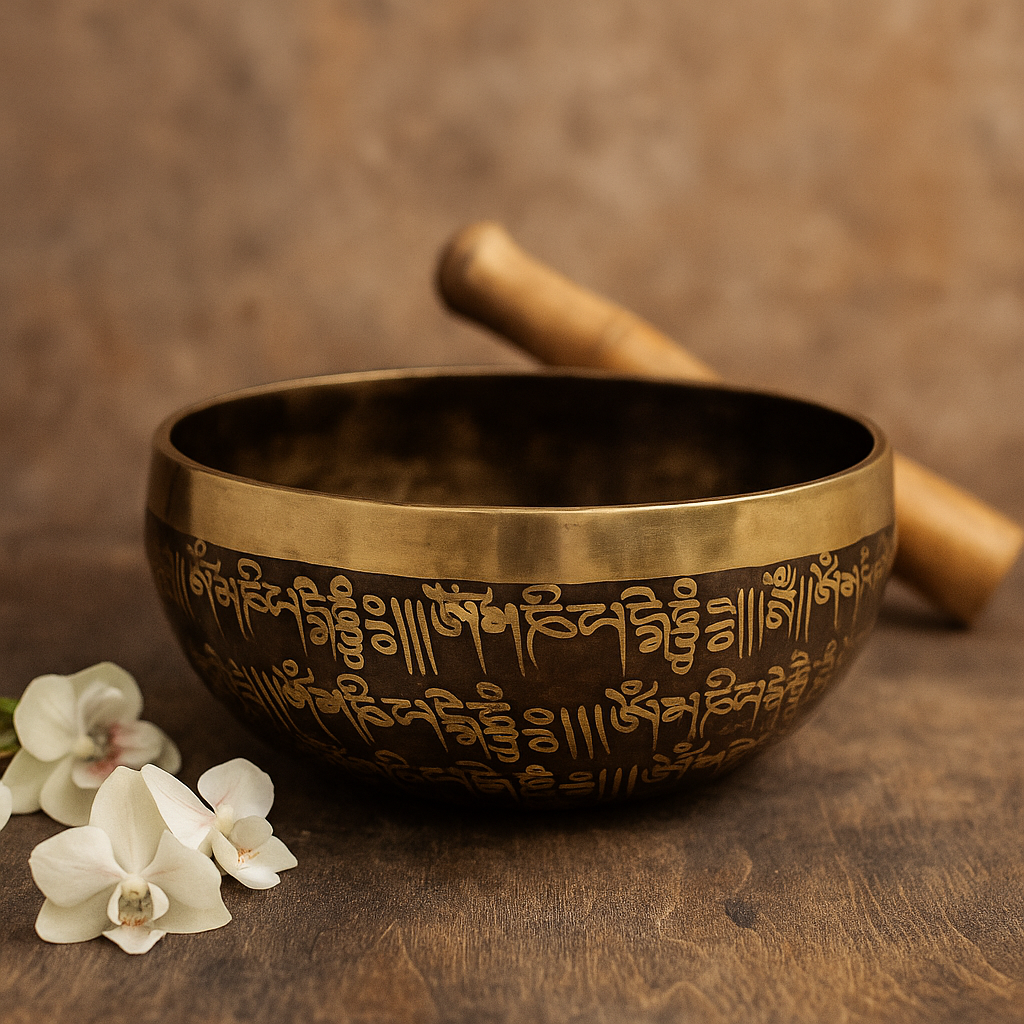
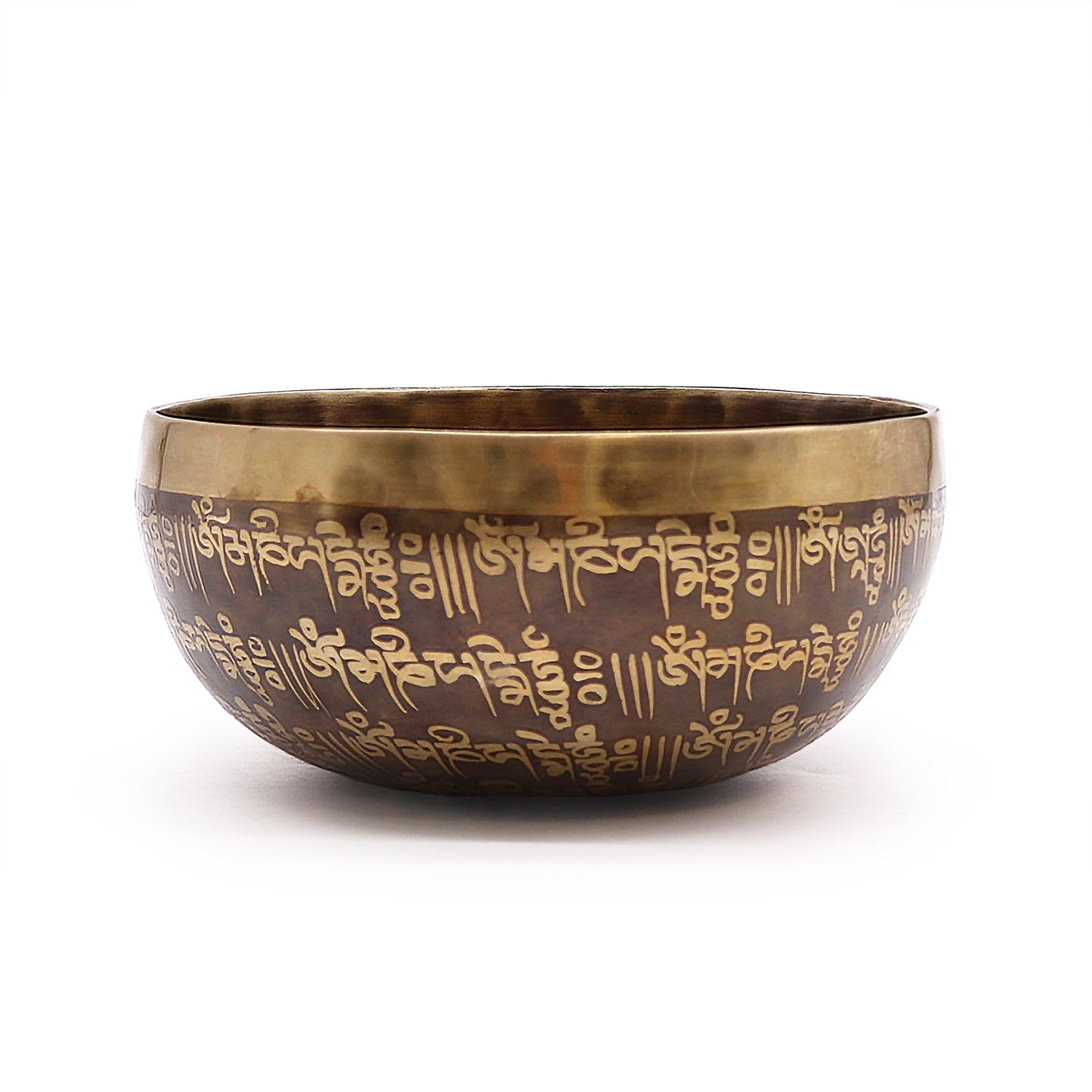
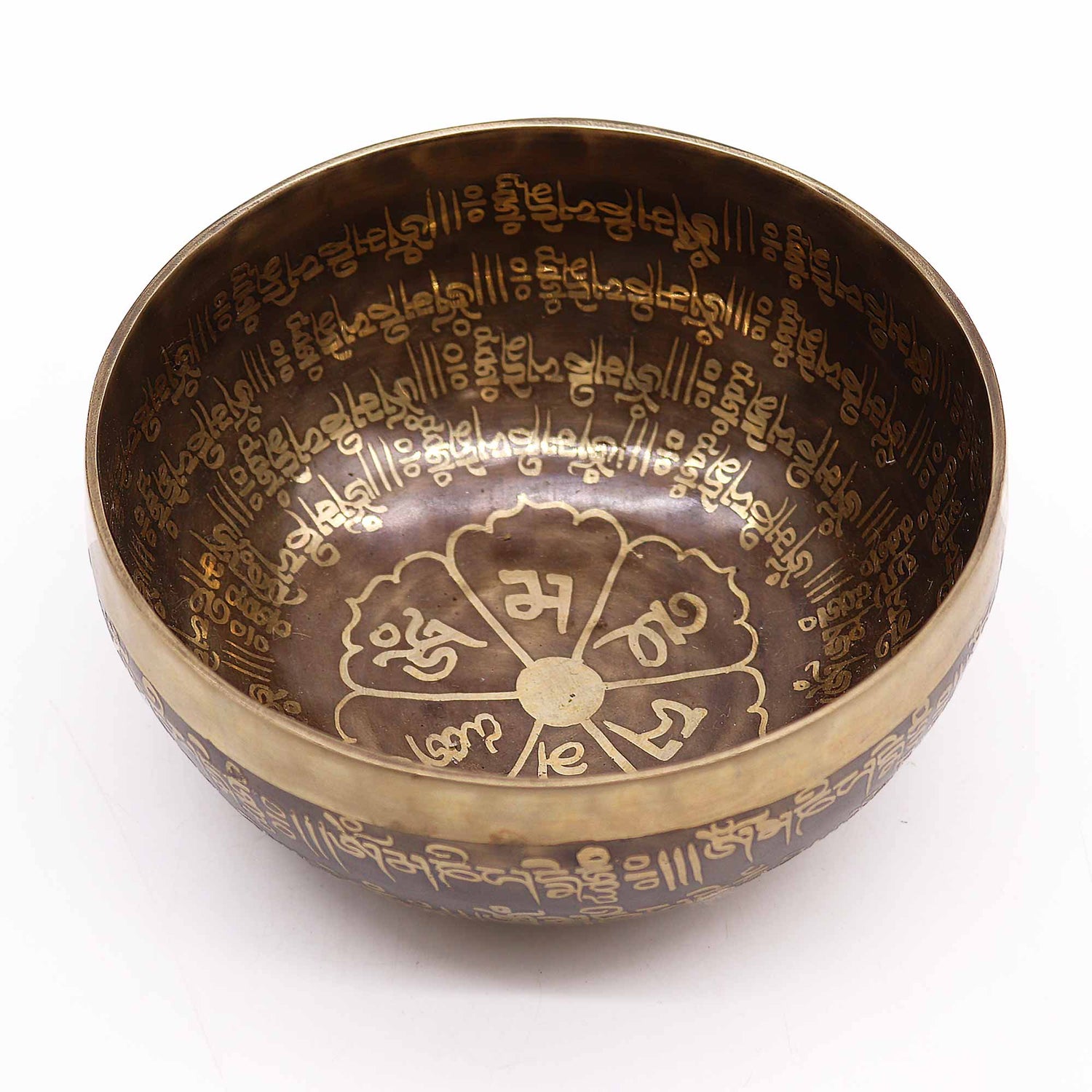
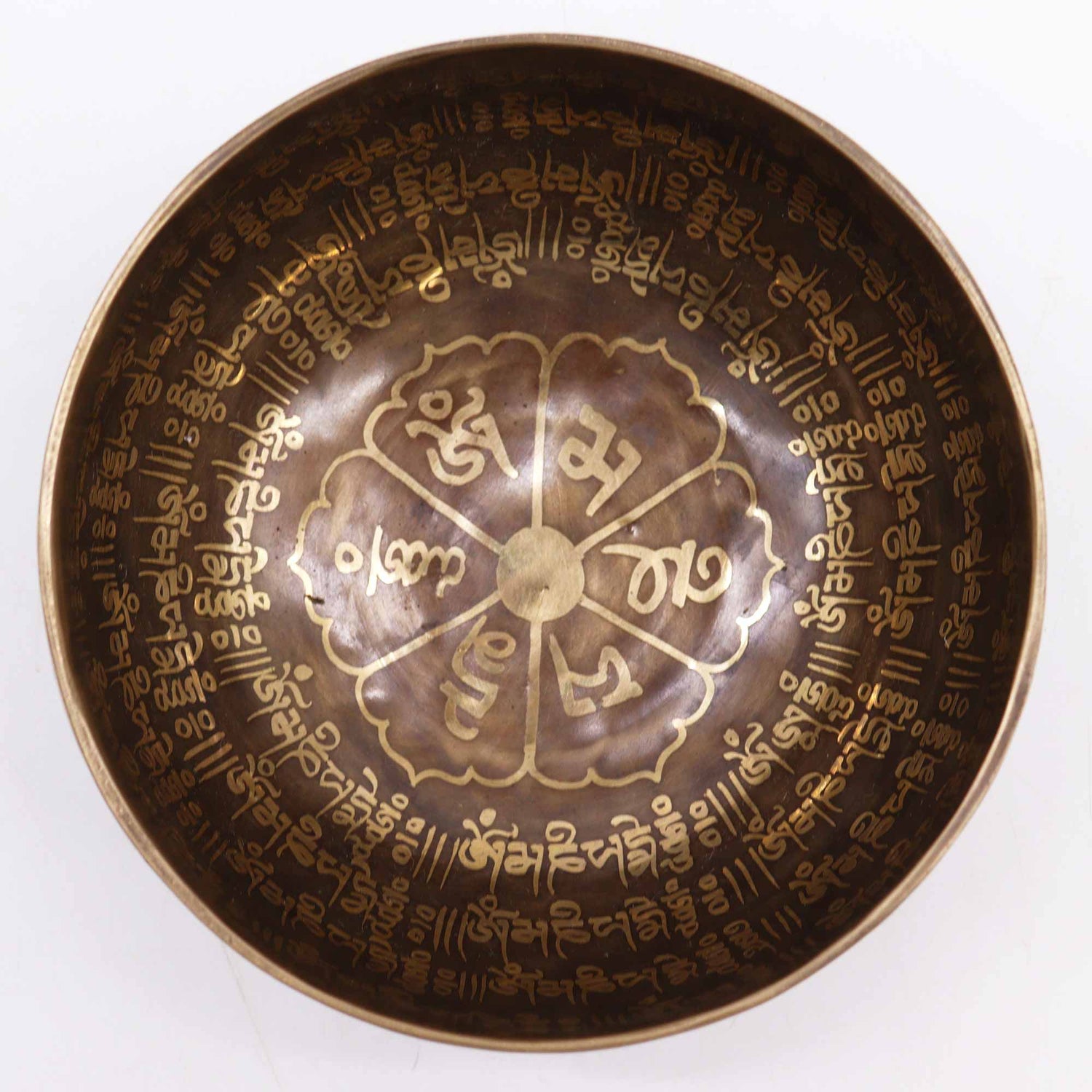
A substantial engraved singing bowl for meditation, sound practice and quiet ritual, made from brass, copper bronze, iron and silver. Its darkened metal body carries gold-toned mantra engraving across the outer wall, so it feels like both an instrument and a contemplative object before the first note is struck.
Tibetan Singing Bowl 16cm Mantra Healing Engraved is backordered and will ship as soon as it is back in stock.
Email me when it's back in stock
One email when this piece returns — no marketing, unsubscribe anytime.
A substantial engraved singing bowl for meditation, sound practice and quiet ritual, made from brass, copper bronze, iron and silver. Its darkened metal body carries gold-toned mantra engraving across the outer wall, so it feels like both an instrument and a contemplative object before the first note is struck.

Tibetan Singing Bowl 16cm Mantra Healing Engraved

Tibetan Singing Bowl 16cm Mantra Healing Engraved is backordered and will ship as soon as it is back in stock.
About this product
The bowl in the hand
- The rounded form sits low and steady, with a broad rim that invites slow, careful playing.
- The engraved mantra wraps around the outside in two flowing bands, catching the light against the darker finish.
- Its weight gives it a grounded presence on a table, altar, shelf or meditation mat.
- The warm metal tones suit calm interiors, from a simple bedside corner to a dedicated practice space.
- Used gently, it becomes a small marker for beginning, pausing or closing a quiet moment.
Sound and playing
A singing bowl is played by striking the rim or by moving a suitable striker around the outside edge with steady pressure. The tone builds as the metal vibrates, and the sound will vary with touch, pace and the striker used.
Rim-playing takes patience. A light hand, even movement and a settled bowl usually give better results than force.
Metalwork from Nepal
This bowl is handcrafted in Nepal in the Tibetan tradition, using brass, copper bronze, iron and silver. The visible engraved mantra gives the surface its ritual character, while the darkened finish brings out the warm gold of the decoration.
How to use and care for it
Place the bowl on a stable, dry surface or hold it flat on your palm. Strike the rim gently to hear its clear opening tone, or work slowly around the rim to encourage a sustained sound.
Keep it dry between uses and wipe with a soft cloth. Avoid harsh cleaners, as they can disturb the finish and the engraved surface.
The mantra in context
In Tibetan Buddhist practice, mantras are sacred phrases used as a focus for recitation, reflection and devotion. On a singing bowl, the engraving adds meaning to an already meditative object: the sound marks a transition, while the script offers a visual point of attention. Bowls like this are often used to open or close meditation, accompany personal ritual, or bring a sense of ceremony to a quiet space. The value is not in spectacle, but in repetition, listening and the simple act of returning to the moment.
Size and details
Diameter: 16 cm. Weight: 790 g.
Material: brass, copper bronze, iron and silver. Origin: Nepal.
A thoughtful ritual gift
A considered gift for someone who meditates, practises yoga, works with sound, or keeps a meaningful corner at home. The engraved surface makes it feel personal without needing to be ornate.
Material
Brass, Copper, Iron, Silver
Object No.
Common questions
Will it always sound the same?
Is it only for meditation?
Complete your ritual
A few things often kept alongside this piece.