


 £11.85 off
Orgonite Pyramid Ganesh Copper Crystal Gemstones 70mm
Low stockSale price £4395 Regular price £5580Unit price


 £7.03 off
Orgonite Pyramid With Crystals and Copper, 55mm
In stockSale price £2999 Regular price £3702Unit price


 £1.21 off
Med Orgonite Pyramids 7x6cm – Floating Quartz Sphere – Quartz Chunks
In stockSale price £1499 Regular price £1620Unit price


 £1.21 off
Med Orgonite Pyramids 7x6cm – Copper Bars – 7 Chakra Chips
In stockSale price £1499 Regular price £1620Unit price


 £1.21 off
Med Orgonite Pyramids 7x6cm – Wrapped Amethyst – Copper Chips
In stockSale price £1499 Regular price £1620Unit price


Small Orgonite Pyramids 5.5x4.5cm – Tree of Life – Black Tourmaline Chips
In stockRegular price £1095Unit price


Small Orgonite Pyramids 5.5x4.5cm – Chakra Buddha – Black Tourmaline Chips
In stockRegular price £999Unit price


Small Orgonite Pyramids 5.5x4.5cm – Flower of Life – Black Tourmaline Chips
In stockRegular price £999Unit price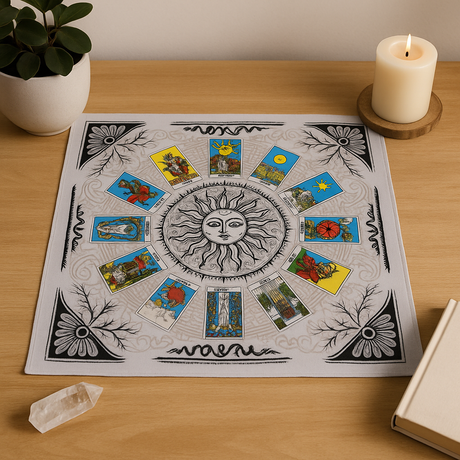







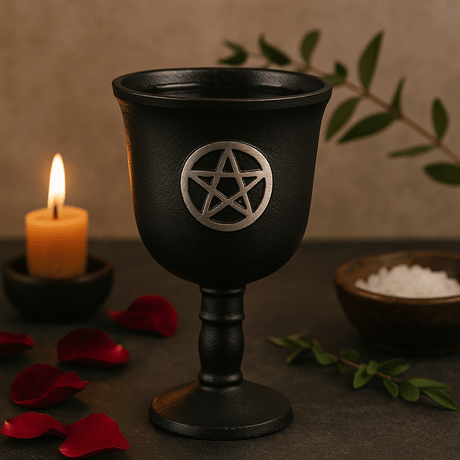
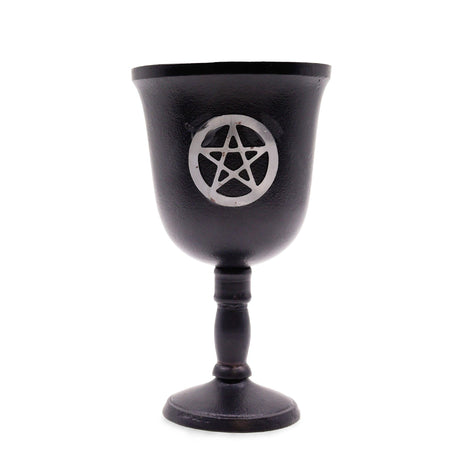 £5.86 off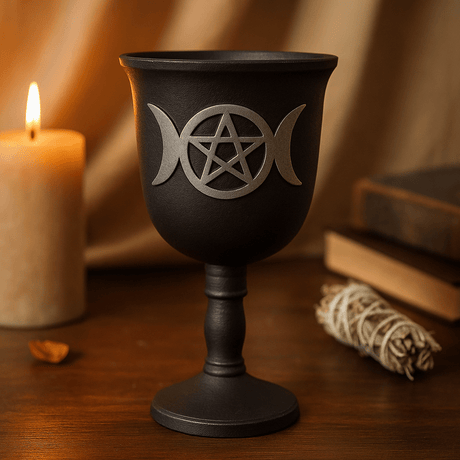
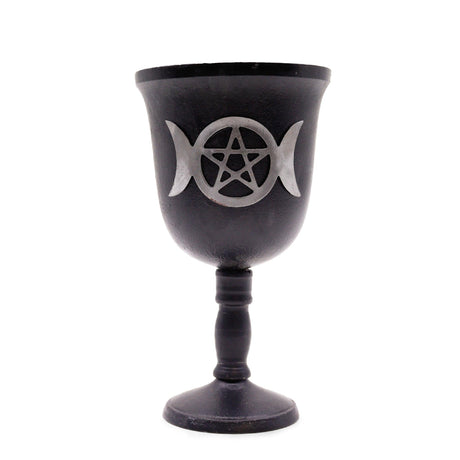 £5.86 off
Iron Ritual Goblet Triple Moon Pentagram 20x11cm
In stockSale price £2999 Regular price £3585Unit price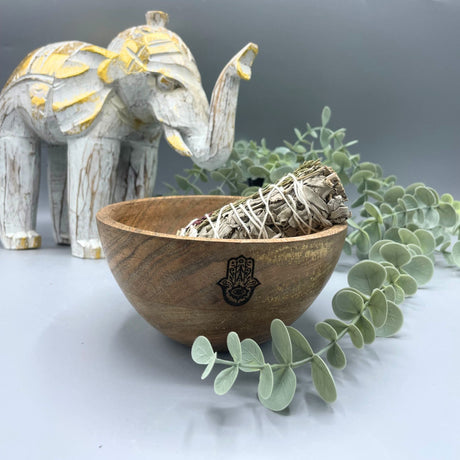
 £0.24 off
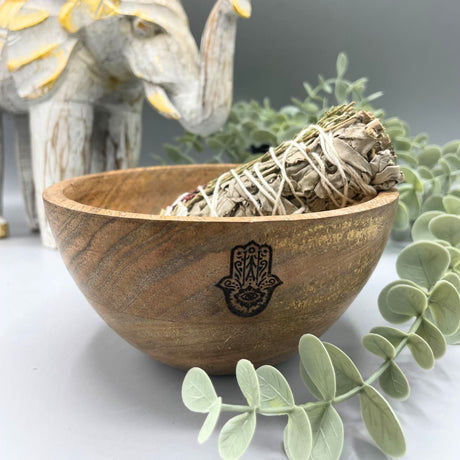
Wooden Smudge Bowl – Hamsa Ritual Altar 13x7cm
In stockSale price £1599 Regular price £1623Unit price


Selenite charging plates, orgonite pyramids, ritual bowls and hand-forged ritual knives have long served as anchors for intention — objects that make a quiet space feel complete. This collection gathers the tools that support a regular practice: purposeful pieces chosen for their material integrity, tactile weight and the way they hold meaning over time.
What's inside the collection
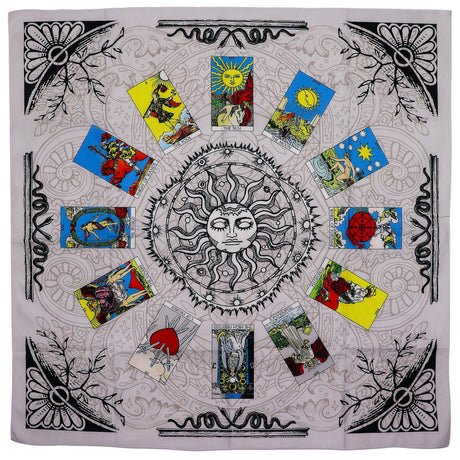
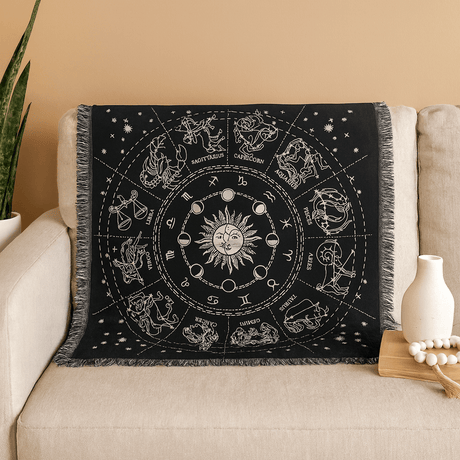
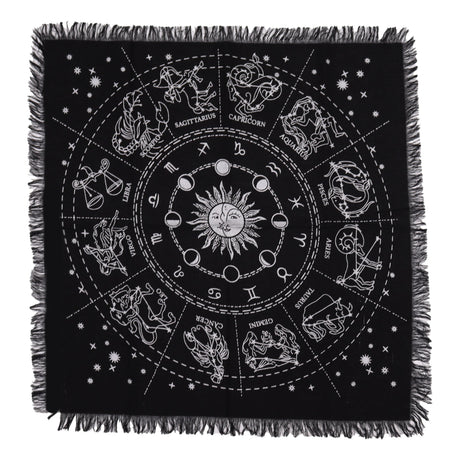
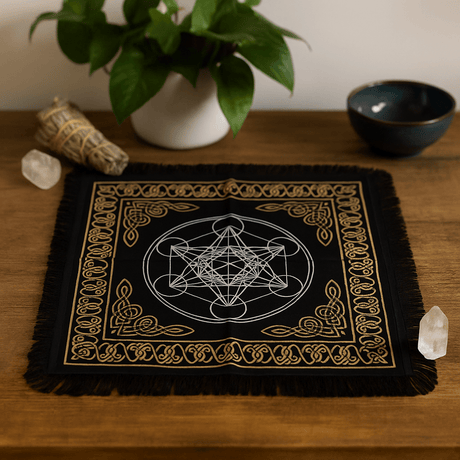
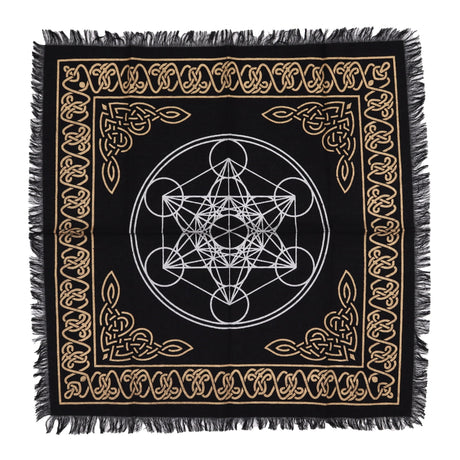
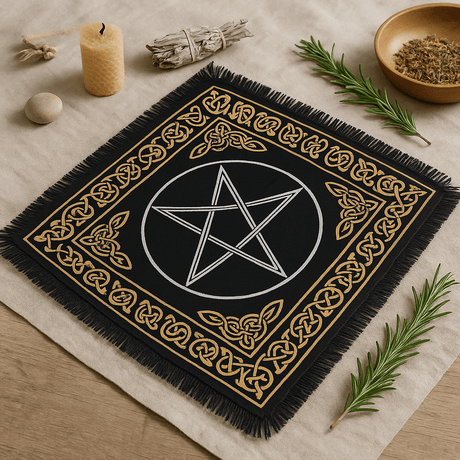
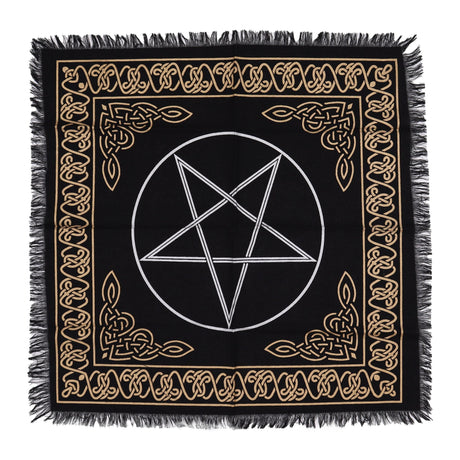
The range centres on a few key forms. Orgone Energy Pyramids — crafted with layers of resin, copper and gemstones — are among our most sought-after pieces, available in sizes from palm-sized to display-ready. Crystal Balls and selenite charging plates make natural focal points: smooth, reflective surfaces that invite pause. Ritual Knives in selenite and steel cover different traditions and purposes, from chakra work to symbolic releasing. Altar Cloths for Ritual & Meditation — including our zodiac wheel and earth mother designs — offer a fabric foundation that transforms any surface into a dedicated space.
How to choose the right piece
Consider what the tool is meant to do in your space. Charging plates work best when sized to hold the objects you recharge regularly — a 10 cm plate suits a few tumbled stones, while a 20 cm chakra plate can accommodate larger pieces or a set. Orgonite pyramids vary in copper density and gemstone content; those with black tourmaline tend toward grounding, while turquoise and copper combinations lean more energising. Ritual knives differ by handle material and blade shape — the athame-style blades suit formal altar work, while broader forms can serve more expressive ritual practice. If you are dressing an altar, start with a cloth that speaks to your practice, then build outward.
Setting up and using your tools
There is no single correct way to use these pieces, but a few principles hold across traditions. Keep selenite plates dry — the mineral is soft and moisture can cause surface damage over time. Orgonite pyramids are robust and require little maintenance; a quick dust with a dry cloth is usually sufficient. Ritual knives are best stored flat or in a dedicated wrap to protect both blade and surrounding objects. For altar cloths, a gentle hand wash in cool water preserves the print and fabric; roll, don't fold, to prevent creasing that weakens the fibres. Smudge Bowls & Ritual Bowls pair naturally with many of these pieces, catching ash and creating a contained space for cleansing practice.
Frequently asked questions
Do selenite charging plates need to be cleansed themselves?
Selenite is self-cleansing by nature, meaning it does not hold negative energy the way some other minerals do. That said, it is a soft mineral and should be kept dry and handled with care to avoid scratching or cracking.
How do I know which size orgonite pyramid to choose?
Smaller pyramids (25–55 mm) work well on a desk, bedside or altar shelf. Larger ones (70–80 mm) make a stronger centrepiece and are better suited to dedicated altar spaces or larger rooms where their effect can radiate.
What is the difference between an athame and a general ritual knife?
An athame is a double-edged ritual knife traditionally associated with ceremonial magic, often with a black handle. General ritual knives may have single-edge blades and are used across a broader range of practices, including chakra work and symbolic acts of release.
What materials are the altar cloths made from?
Our altar cloths are crafted from durable woven fabrics suitable for regular use. They resist light fading and can be gently hand-washed. Exact fibres vary by design — check individual product listings for full material details.
Are these tools ready to use as soon as they arrive?
Yes — each piece arrives ready for use. There is no ritual preparation required, though many practitioners choose to set an initial intention with a new tool as part of their first use.