Some mornings a quiet practice surprises you. You sit to breathe, and something shifts, a warmth at the base of the spine, a wider sense of attention than you sat down with. In the yogic traditions this stirring has a name: Kundalini. It is one of the oldest ideas in Indian spiritual life, and it asks for patience rather than promises.
This is a guide, not a prescription. We offer Kundalini here as a framework for self-awareness and intention, a way of paying closer attention to your own energy, breath and presence. The practice, and your patience with it, is what does the work.
Understanding Kundalini
Kundalini (कुण्डलिनी) takes its name from the Sanskrit for ‘coiled’, the feminine kuṇḍalinī, evoking a coiled serpent. The image is of a dormant energy resting at the base of the spine, waiting to be roused.
In this tradition, that energy is said to live within each of us. When it stirs, practitioners describe it rising through the chakras along the spine, opening into a fuller sense of awareness.
The journey asks for dedication, discipline and patience. It can be intense, so it is best met slowly. Many describe the experience as deeply personal, a steady widening of self-knowledge rather than a single dramatic moment.

Historical origins of Kundalini
The idea has deep roots in India’s religious and cultural history. Early Hindu thought and Tantric practice described a primal energy of consciousness held within the body.
The word and its clearer articulation belong mostly to later yogic and Tantric texts, including the Yoga Upanishads, which speak of this energy and its link to higher states of awareness.
Similar ideas echo across many old contemplative traditions. The pairing of an inner energy with energy centres, and the notion of an ascent, appears in numerous philosophies, a shared human curiosity about awakening.
So the history gives modern practitioners a thread back to an older spiritual heritage. These ancient texts show that awakening this inner energy has long been understood as a path toward enlightenment.
The concept of Kundalini energy
Kundalini is described as a latent spiritual energy that rests at the base of the spine. Its awakening is spoken of as a journey rather than an event.
The aim, in this tradition, is to let that energy rise through the body’s central channel, the Sushumna. People seek the state for its association with heightened awareness and personal growth.
The energy is often pictured as a coiled serpent. As it travels upward through the energy centres along the spine, it is said to widen one’s sense of self.
Those drawn to the practice are encouraged to take up disciplined meditation, yoga, and breathwork practices. Grounded in older teaching, these are the slow, steady methods practitioners return to day after day.
What practitioners describe
Many people who keep up the practice describe a wider, clearer sense of awareness. Reality can feel a little fresher, attention a little steadier.
In this tradition the practice is associated with greater mindfulness, more ease with creativity, and a calmer mind. Practitioners often report feeling more settled in everyday decisions.
Some also describe feeling more energised and present after sustained practice, a sense of vitality that, for them, makes daily life feel a touch lighter. If you are drawn to that kind of boost in physical vitality, hold it as something to explore through practice, not a result to expect.
Many speak, too, of a deeper connection with themselves. In this framing it is a quiet steadiness, emotional release, as practitioners describe it, that lets a person meet ordinary challenges with a little more calm.
Experiences people describe
As the practice deepens, people report a wide range of sensations. There is no single correct set of signs, and they vary a great deal from person to person.
Some describe warmth or coolness moving up the spine, waves of calm, or a clearer, quieter mind. Others mention vivid dreams, sharper intuition, and bursts of creativity.
There may be tingling or a sense of vibration in the body, and sometimes a feeling of deep ease. These are subjective experiences, not symptoms to be diagnosed, meet whatever arises with curiosity and a light touch.
A grounding note worth keeping close: experiences vary, and intense ones can feel unsettling. If a reaction is strong or distressing, it is wise to pause, lean on grounding routines, and seek support from an experienced teacher, and a professional if you need it.

Preparing for Kundalini practice
Preparation begins with a balanced everyday life, rest, movement, good food, and time to settle. A steady body and mind give the practice somewhere stable to stand.
Mindfulness and meditation matter just as much. They help cultivate inner awareness and tranquillity, steadying the mind so the practice can unfold gently rather than be forced.
Mental and spiritual readiness
Readiness, in this tradition, is what lets a person meet the shifts the practice can bring. It is built slowly, through small daily habits.
Kundalini is said to touch the physical, emotional and spiritual at once, which is exactly why it is approached with care.
Practitioners often report greater clarity, intuition, and a sense of connection. A simple, repeatable routine that fosters focus and inner calm is the ground all of this grows from.
Many also find that incorporating gratitude, maintaining a positive outlook and nurturing self-awareness supports their readiness. A few honest, repeated practices do more than any single dramatic effort.
Techniques to explore
Several techniques are traditionally used, from the more demanding, yoga, breathwork and deep meditation, to gentler ones like mindfulness and visualisation.
Approach them with patience and respect. Let the energy rise in its own time rather than chasing it. Regular practice with a steady mindset is what carries the work forward.
Meditation practices
Meditation is the anchor of the practice. A simple, repeated session helps attune your attention and deepen the connection with yourself.
There are many forms, and it is worth trying a few to find the one that suits you. Keep the one that feels right and let the rest go.
Chanting mantras is a powerful method in this tradition, often used to bring attention to the chakras. A 108-bead mala is the classic tool for counting repetitions, one bead, one breath, one sound.
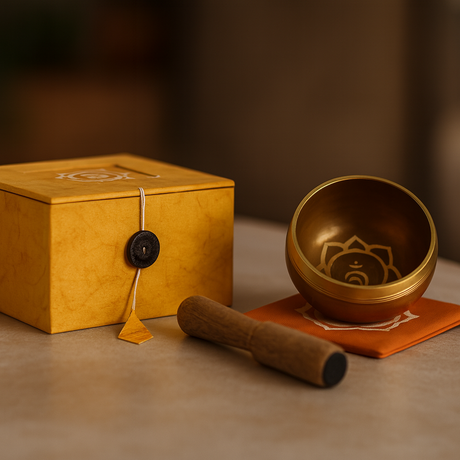
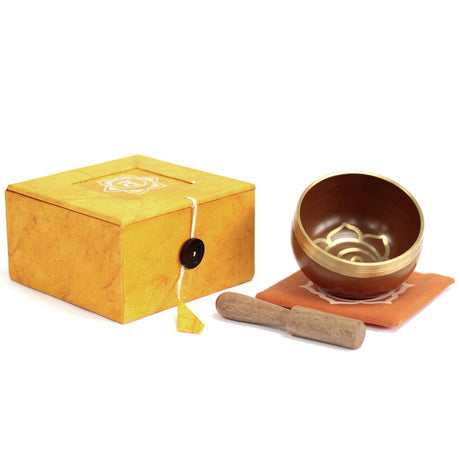
The vibrations created by the sounds help in aligning one’s energies, in this tradition, which is why some practitioners weave in a singing bowl or a pair of cymbals to open and close a sitting.
Visualisation is another approach: picturing the energy resting at the base of the spine and, with consistency, imagining it rising gently through the chakras.
Mindful breathing underpins all of it, settling the attention you need for a quiet session. The key, throughout, is consistency and patience, small sittings, kept up over time.
Breathing exercises
Several pranayama techniques are traditionally used to steady the mind and prepare the body. Start with just a few minutes a day.
- Nadi Shodhana (alternate-nostril breathing), balances and calms the mind.
- Kapalabhati (skull-shining breath), energising and clearing.
- Bhramari (bee breath), quietens a busy, anxious mind.
- Ujjayi (ocean breath), settles and deepens concentration.
- Sitali (cooling breath), cools the body and soothes the mind.
Each does something a little different. Try a few, keep the ones that feel right, and let them sit alongside your meditation.

The role of chakras in Kundalini
The chakras give the practice its map. Understanding them turns a vague idea into something you can work with, centre by centre.
In this tradition the chakras are the energy centres set along the spine, each linked to particular physical, emotional and spiritual themes. Bringing gentle attention to each in turn is said to ease the flow of Kundalini upward.
Think of them as a roadmap for self-awareness rather than a set of switches to flip. Focusing on each point consciously gives the practice structure and a sense of progress.
A clearer grasp of the chakras helps practitioners follow the journey with intention. Our Chakra hub walks through all seven, crown to root, with their associations, a reference point to return to.
Common challenges and misconceptions
The path tends to come with a few honest hurdles, and clearing them up early helps.
One is impatience. People sometimes expect a sudden, dramatic shift, but the practice usually unfolds gradually, it rewards persistence more than intensity.
Another is the idea that Kundalini is only about mystical or supernatural experiences. In practice, much of it is the quieter work of attention, balance and steady self-care, supported by guidance over time.
Safety and grounding
Because the energies involved are strong, the practice is approached with care and respect. This is the part the tradition takes most seriously.
Many practitioners find it steadying to learn alongside an experienced teacher, who can offer guidance and perspective along the way.
A gradual, mindful pace helps you sidestep the common pitfalls. Treat grounding and self-care as part of the practice, not an afterthought.
Simple, everyday routines, meditation, a walk, some movement, build the resilience the practice asks for. Creating a small, settled space to return to does more than any single intense session.
Weaving Kundalini into daily life
The practice doesn’t have to live only on the cushion. Practitioners, seasoned and new alike, weave Kundalini techniques into their everyday routines for focus and a steadier mood.
Often it is as simple as weaving kundalini’s practices into existing daily habits and rituals. Lighting a stick of incense, a few minutes of breathwork, small cues that mark the start of a practice.
You might open the morning with intention and a short session. For many, this kind of grounded start enhances mental clarity and productivity for the hours ahead.
Folding the practice into daily life is a continuous, unhurried journey, one that, practitioners say, builds resilience and a quieter sense of ease.
Kundalini in contemporary practice
Today, older Kundalini techniques sit comfortably alongside modern routines. People fold them into how they already live.
From workplaces to personal wellness habits, Kundalini is increasingly drawn on as a tool for balance and creativity.
Used this way, the practice becomes a route to self-discovery. Whether someone turns to it for calm, for reflection, or for emotional balance, it stays, as it always has, a practice you take up, not a result handed to you.
Resources for further learning
There is a wealth of material for going deeper, and it is worth being a little selective.
Reputable holistic publishers offer beginner-friendly guides to Kundalini, with practical exercises and clearer explanations of the tradition.
It is also worth exploring the teachings of established practitioners, who share articles and courses for newcomers and experienced students alike.
Online communities and forums can help too, places to compare notes, find practices, and learn about workshops or retreats. As with any practice, take what serves you and leave the rest.