There is a moment, most evenings, when you step through your front door and the day falls away behind you. The threshold does quiet work. Making a home feel protected is really about tending that moment — a small, deliberate gesture at the door, a stone on the windowsill, a scent that tells you that you have arrived. None of it is about warding off some unseen force. It is about caring for a space so that it cares for you in return.
The techniques below are drawn from cultural traditions, folklore, and contemplative practice — not from a single tested mechanism. Treated as rituals you choose to keep, they can make a home feel calmer and more your own. The work is yours; these objects simply keep you company in it.
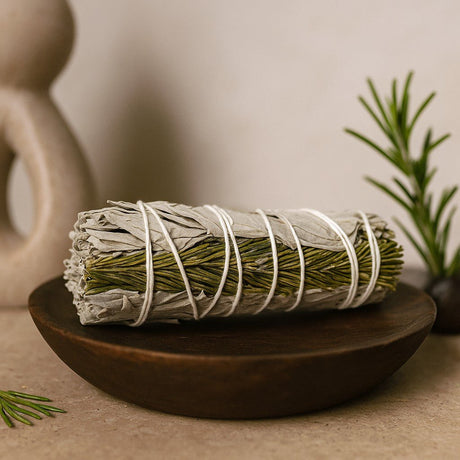
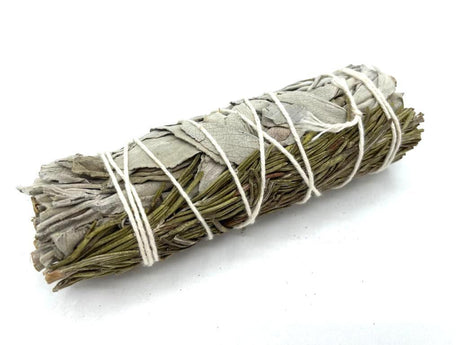
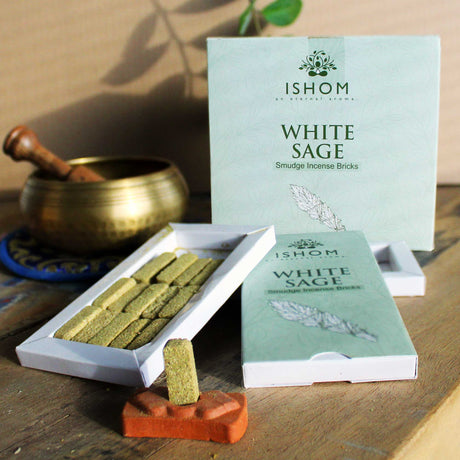
Burn Herbs or Incense to Clear a Space
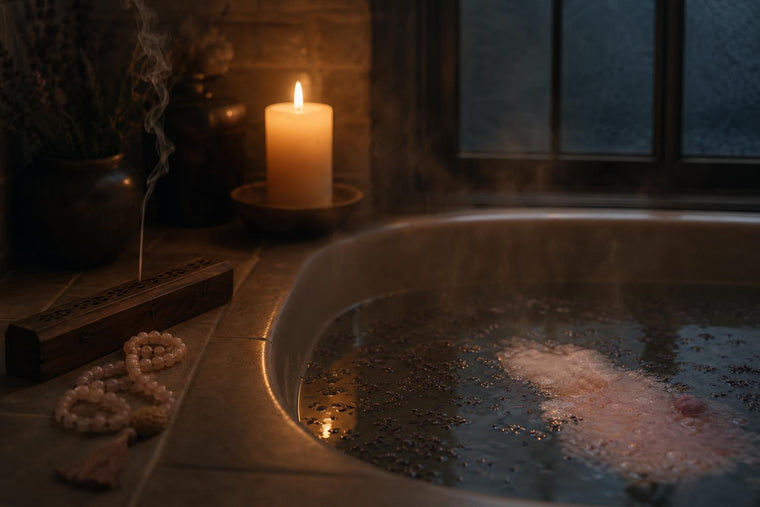
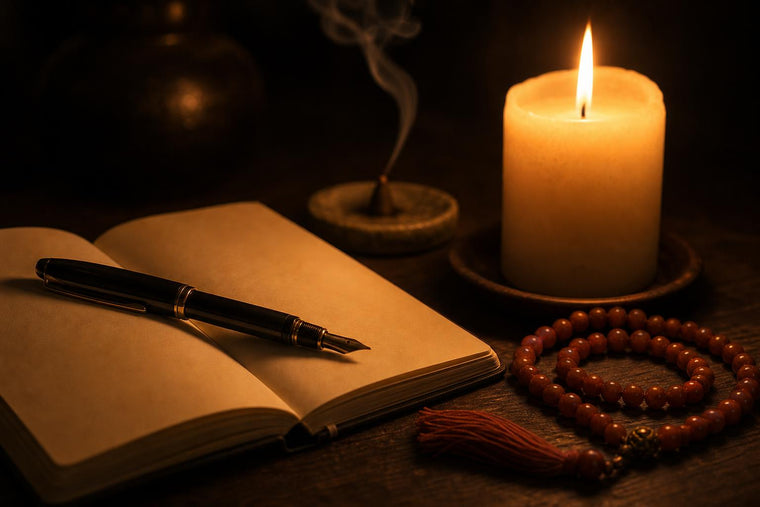
Few rituals are as old as burning herbs or incense to mark a fresh start in a room. People across the world have done it for centuries — from the smudging traditions of Indigenous North America to the resin smoke of the temples of the Near East and the herb fires of European folklore. The shared thread is intention: a moment set aside to clear the air of the day and begin again.
A note of respect is worth pausing on. The smudging ceremonies of Indigenous North America are a specific, partly closed practice belonging to particular peoples, and white sage is increasingly over-harvested. If sage calls to you, source it responsibly — or simply reach for another cleansing herb. The gesture matters more than the exact leaf.
- Sage. Herbal and bracing, used in many traditions to mark a clean reset in a space.
- Palo santo. The fragrant wood of South America — sweeter and softer than sage, closer to a gentle settling than a sweep.
- Frankincense. The resin burned for millennia for its warm, resinous depth and its sense of occasion.
- Lavender. Quiet and floral, valued for the calming effect of lavender on the mood of a room.
Choose by the atmosphere you want, open a window so the air moves, and let the smoke mark the moment rather than expecting it to do the work for you.

Make a Home Protection Herbal Jar
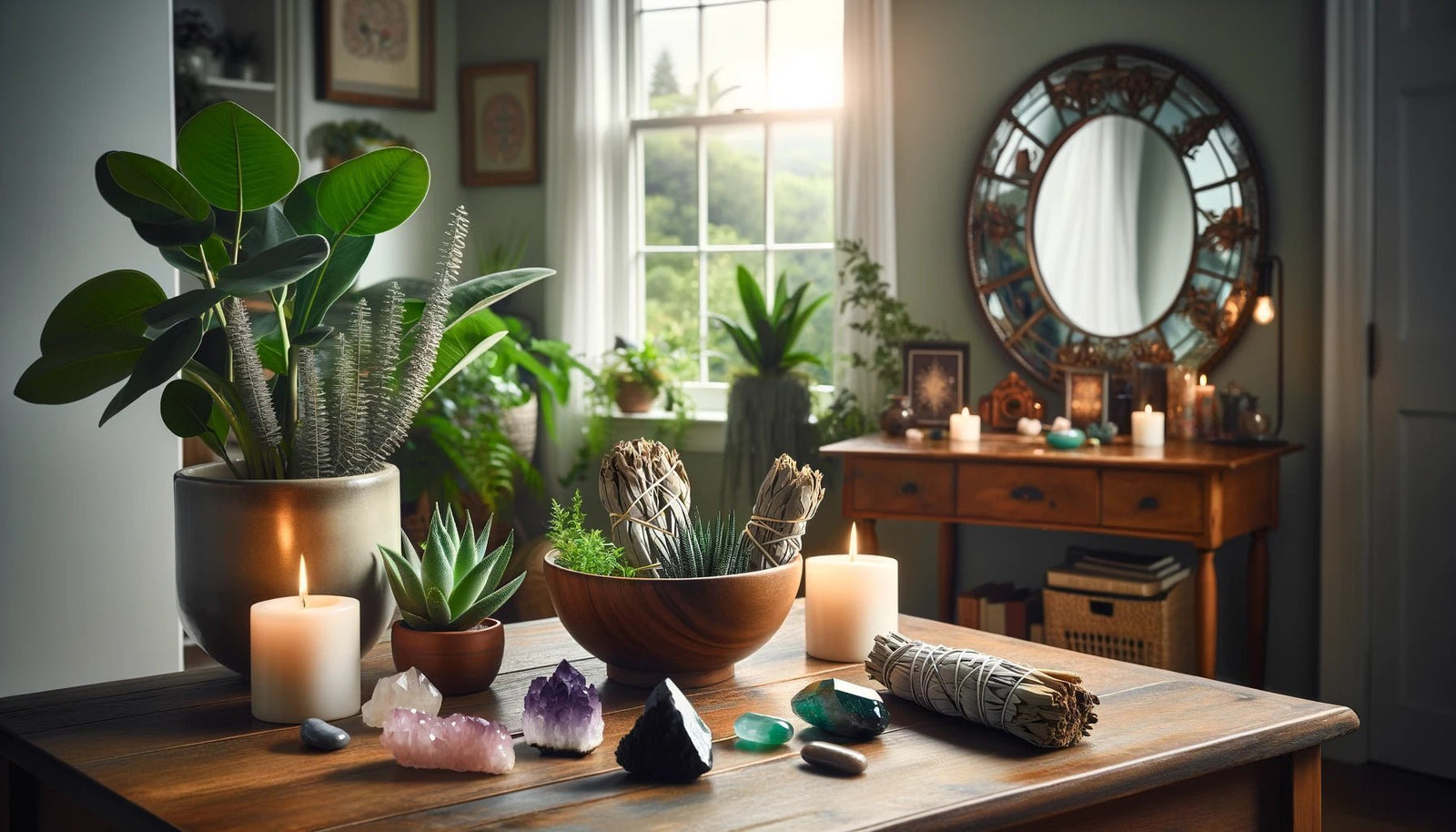
Some of the most grounding rituals are the ones you make with your own hands. A home protection herbal jar is one of them — a small glass jar layered with salt, rosemary, black tourmaline, and lavender, each chosen for the meaning many traditions give it.
The making is the point. As you layer each element, name quietly what you want this home to hold — calm, safety, a place you are glad to return to. Set the finished jar near the entrance or in a central living room, somewhere you will pass it daily. It is less a charm than a reminder: a small object that keeps the intention you placed in it.

Bring in House Plants
A room full of living things feels different the moment you walk in. House plants like the snake plant, peace lily, and aloe vera are valued in many cultures as grounding, calming presences in the home — green company that softens a space and slows you down.
You will often read that house plants purify indoor air. Be a little sceptical here: the research most people cite came from sealed laboratory chambers and does not translate neatly to a real room, where you would need a great many plants to shift the air. What is true and lovely is simpler — many traditions see a thriving plant as a sign of a cared-for, settled home. Tend it well, and it tends the mood of the room back.

Crystals for a Settled Home
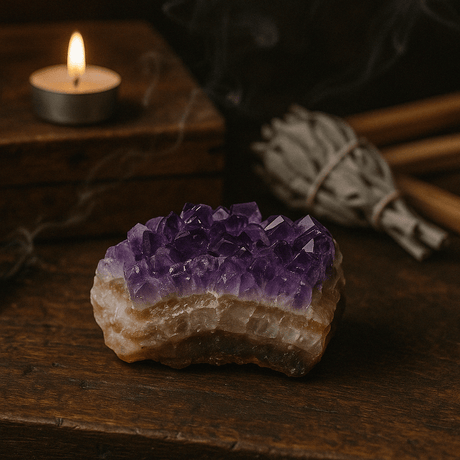
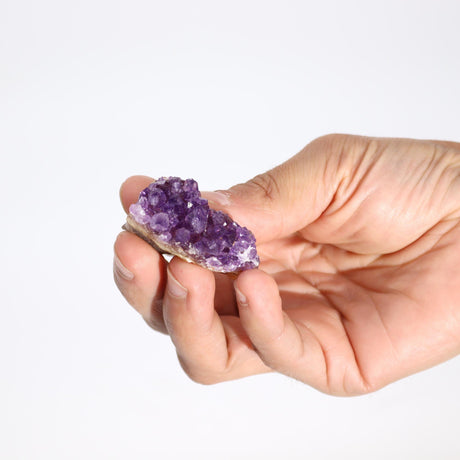
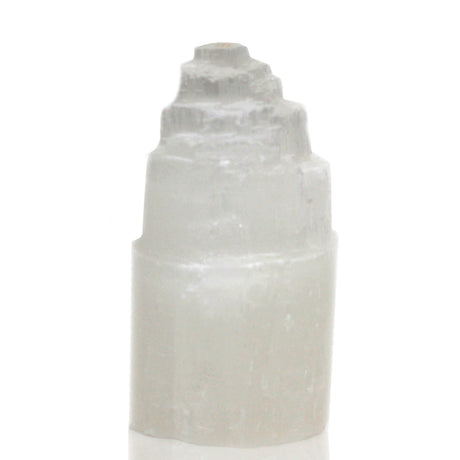
We would be honest with you about crystals such as black tourmaline, amethyst, and selenite: a stone holds no switch that filters a room. What these crystals offer is a focus for your attention — a way to mark a corner as cared-for and return to it. The tradition pairs the stone with a practice. Name what you want this space to hold, set the stone where it catches the light, and let it keep the note.
If you are choosing one to begin with, amethyst is the gentle, quiet stone many keep in a living room, while selenite suits an entrance or a shelf you want to feel freshly cleared. Many people charge their stones in moonlight or sunlight, or pass them through cleansing smoke, as a small ritual of renewal. Below is how each is traditionally used — the intention people tend to pair it with, never a promise of what it does.
| Crystal | How it is traditionally used |
|---|---|
| Black tourmaline | Kept by the door as a grounding anchor — many set the intention of leaving the day's tension at the threshold. |
| Amethyst | Placed in a living area for quiet; long associated with calm and a clear head. |
| Selenite | Set at an entrance or central room as a gesture of clearing and a fresh start. |
| Obsidian | Carried or displayed as a grounding talisman; favoured for a steadying, rooted feeling. |
| Jasper | Valued for a sense of stability and steadiness underfoot. |
| Carnelian | Paired with the intention of warmth and courage; a bright, energising stone to keep close. |
| Labradorite | Loved for its shifting blue sheen; kept as a reminder of curiosity and change. |
| Tiger's eye | Often carried while travelling, paired with the intention of focus and personal resolve. |
| Hematite | Cool and weighty in the hand; reached for as a grounding object on a busy day. |
| Rose quartz | Set in a bedroom or shared space, paired with the intention of gentleness and ease. |
| Clear quartz | A clear, simple stone many use as a focus point for whatever intention they are setting. |

The Front Door as a Threshold
The front door is more than a way in. It is the line between out there and home, and many traditions treat it as the place where a home's feeling is set. Tending it — with colour, a plant, a small symbol — is really about marking that crossing each day with a little more care.
Door colours, in the feng shui tradition
In feng shui, the colour of a door carries meaning. None of these are rules to obey, but they are a lovely lens to choose by.
- Red. Associated with luck, warmth, and a welcoming energy at the entrance.
- Black. Linked to depth and quiet strength; a grounding, composed choice.
- Blue. Tied to calm, growth, and a sense of openness.
- Green. A colour of renewal and harmony — fitting for a family home.
Symbols and talismans for the entrance
- The evil eye. A Mediterranean and Near Eastern charm, hung to turn aside ill will and envy.
- The horseshoe. A European folk emblem, traditionally hung above the door for good fortune.
- Fu dogs. Guardian-lion figures placed at the entrance in Chinese tradition, for a sense of steadiness.
Plants at the doorway
- Basil. A fragrant herb long associated in folklore with welcome and good fortune.
- Rosemary. Valued across European tradition for clarity and a clean, herbal scent at the door.
- Jade plant. A small succulent linked in Chinese custom with prosperity and a settled home.

Mirrors and the Flow of a Room
In feng shui, mirrors are working objects, not only decorative ones. The tradition uses them to guide the way light and energy move through a space. You do not have to take the metaphysics literally to find the placement ideas useful — a well-set mirror genuinely changes how a room feels.
- Near the entrance. A mirror to the side of the door brings in light and a sense of space; tradition advises against placing one directly facing the door.
- By the kitchen. A mirror near the stove was thought to double its warmth and abundance — a symbol of a well-fed home.
- Along a hallway. Mirrors are used to soften a long, fast corridor and slow the eye as you walk it.
- Facing a window. A mirror reflecting greenery outside draws the garden indoors and lifts a room.
Placed with intention, mirrors can make a home feel lighter, more open, and more balanced — which is most of what we mean by a calm space.

Protective Symbols and Their Stories
Symbols carry their meaning through the long memory of the cultures that made them. Living with one in your home is a quiet way of keeping a story close. Here are a few, told as the heritage they are.
- Evil eye. A charm across the Mediterranean and Near East, meant to turn aside envy and ill will.
- Algiz rune. In the Norse and Germanic runic tradition, a sign long associated with shelter and safekeeping.
- Pentacle. A five-point star tied to the elements — earth, air, fire, water, and spirit — and to balance among them.
- Ankh. An ancient Egyptian symbol of life.
- Triquetra. A Celtic three-fold knot representing the interweaving of earth, sea, and sky.
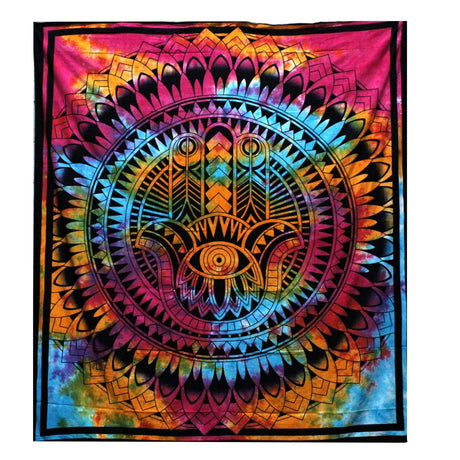
- Hamsa hand. An open hand from across the Middle East and North Africa, a sign of welcome, fortune, and watchfulness.
- Triskelion. An ancient triple spiral, read as a symbol of motion, progress, and continuity.
- Eye of Horus. In Egyptian tradition, associated with wholeness, restoration, and watchfulness.
- Mandala. A circular form found across Hindu and Buddhist art, representing the cosmos and a sense of balance against chaos.
Each of these carries real history and meaning. Chosen thoughtfully and placed where you will see it, a symbol becomes a small daily reminder of the kind of space you are tending.

A Last Thought
Caring for the feeling of a home is a slow, pleasant kind of work — a layering of small rituals that join ancient practice to the rhythm of modern living. A little smoke at the door, a stone on the sill, a mirror that catches the light, a symbol with a story behind it. None of it acts on the home by itself; all of it asks for your attention, and the attention is the gift.
SHAMTAM's collection brings together herbs, incenses, crystals, and other objects to support a practice like this. Take what speaks to you and leave the rest. Approached with intention, these small rituals can make a home feel more like a place of calm you genuinely want to return to.